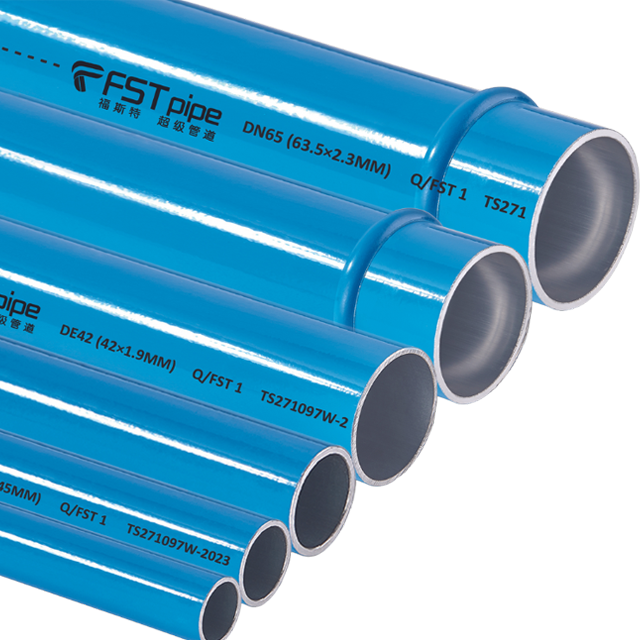
Views: 0 Author: Site Editor Publish Time: 2026-01-28 Origin: Site
When designing pressure pipeline systems, the choice of materials plays a critical role in ensuring long-term efficiency, safety, and cost-effectiveness. Among the most commonly used materials are aluminum and stainless steel, both of which offer distinct advantages and disadvantages. While aluminum is known for its lightweight properties, stainless steel is often praised for its superior strength and resistance to corrosion. This blog post will delve into the factors that make each material suitable for pressure pipeline systems, providing insights to help engineers, manufacturers, and decision-makers select the right material for their projects.
Understanding the differences between these two materials can be daunting, but it’s essential for ensuring that pressure pipeline systems perform optimally and efficiently throughout their service life. In this article, we’ll explore the key aspects of aluminum and stainless steel, including their properties, benefits, challenges, and specific applications in pipeline systems.
Additionally, we’ll look at real-world considerations, including cost, maintenance, and durability, to help businesses like Guang Dong Foster Fluid Technology Co., Ltd. make informed decisions when selecting materials for pressure pipeline systems.
Aluminum is a versatile and lightweight metal that has long been used across various industries, including pressure pipeline systems. Its unique combination of properties makes it an ideal material for applications where reducing weight and minimizing costs are essential. Below are the key characteristics of aluminum that make it a popular choice for pipeline systems:
Lightweight: One of aluminum’s standout qualities is its low density. This makes aluminum significantly lighter than stainless steel, which translates to lower transportation and installation costs. For large-scale pipeline systems, this weight reduction is crucial, as it allows for easier handling and faster installation, ultimately reducing overall project costs.
Corrosion Resistance: Aluminum naturally forms a thin oxide layer on its surface, which acts as a protective barrier against further corrosion. This inherent resistance to corrosion makes aluminum an excellent choice for environments where mild to moderate corrosion risk is present. This property is especially beneficial for industries that need to minimize maintenance and downtime, such as in water treatment and HVAC systems.
Cost-Effective: Compared to stainless steel, aluminum is generally more affordable. The lower material cost makes it an attractive option for companies working within budget constraints. In large-scale infrastructure projects, this price difference can significantly impact overall project budgets, making aluminum an appealing choice when cost-efficiency is a primary concern.
Thermal Conductivity: Aluminum has excellent thermal conductivity, which is beneficial in applications where heat transfer is important. In pipeline systems that carry fluids at varying temperatures, aluminum can effectively conduct heat, helping to stabilize system temperature and prevent thermal stress or damage. This makes aluminum a suitable material for systems that deal with temperature fluctuations or need to dissipate heat efficiently.
However, despite these advantages, aluminum does have limitations, particularly in high-pressure environments. While it offers a good balance of strength and weight, its relatively lower tensile strength compared to stainless steel means that it may not be suitable for pipelines that operate under extreme pressure or carry heavy loads. In high-stress situations, aluminum’s durability may be compromised, leading to the need for more frequent maintenance or replacement.
Stainless steel, in contrast, is known for its superior strength and durability, making it the go-to material for industries where pressure pipelines must withstand extreme conditions. It’s especially favored in environments where both high strength and corrosion resistance are crucial. Let’s explore the key features that make stainless steel a preferred choice for pressure pipeline systems:
High Strength and Durability: Stainless steel’s most significant advantage is its high tensile strength. It is much stronger than aluminum, making it an ideal choice for high-pressure applications where structural integrity is essential. This strength allows stainless steel to withstand heavy loads, making it the material of choice for industries like oil and gas, petrochemical, and heavy manufacturing, where pipelines often operate under high-pressure conditions.
Corrosion Resistance: One of the key benefits of stainless steel is its exceptional resistance to corrosion, even in extremely harsh environments. Stainless steel can resist rust and deterioration caused by chemicals, saltwater, and other corrosive agents. This makes it particularly valuable in industries that deal with harsh chemicals, seawater, or high-humidity environments, where other materials might fail to perform over time. For example, in the food and beverage industry, where hygiene is a priority, stainless steel pipelines ensure long-term reliability without the need for frequent replacements.
Longevity: Due to its strength and corrosion resistance, stainless steel often has a much longer service life compared to aluminum. Its ability to withstand corrosion and other environmental stresses means that stainless steel pipelines require less frequent maintenance and replacement, reducing the overall lifecycle cost of the pipeline system. Over the long term, this makes stainless steel a cost-effective investment, especially for systems that need to operate reliably for many years without interruption.
Heat Resistance: Stainless steel excels at maintaining its structural integrity at high temperatures. While aluminum can perform well at lower temperatures, stainless steel is better suited for applications where the pipeline system is exposed to extreme heat. This makes it ideal for industries such as power generation, chemical processing, and high-temperature fluid transfer, where maintaining pipeline integrity under thermal stress is critical.
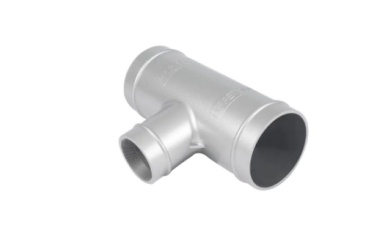
The choice between aluminum and stainless steel often depends on the specific requirements of the pipeline system. Below is a detailed comparison of the two materials based on key factors that influence their performance in pressure pipeline systems:
Property | Aluminum | Stainless Steel |
Weight | Lightweight, ideal for transport | Heavier, increases transportation costs |
Strength | Lower tensile strength | High tensile strength, better for high-pressure systems |
Corrosion Resistance | Good for mild conditions | Excellent in harsh and corrosive environments |
Cost | Generally more affordable | Higher cost due to material strength |
Durability | Moderate lifespan, requires more maintenance | Longer lifespan with low maintenance requirements |
Thermal Conductivity | Excellent, helps in heat transfer | Moderate, but performs well under high temperatures |
Ease of Fabrication | Easy to fabricate and install | More complex fabrication due to strength |
From the table above, it’s clear that each material has its own advantages and limitations. Aluminum is ideal for lighter applications where cost savings are a priority, while stainless steel is better suited for demanding environments that require greater strength, resistance to corrosion, and durability.
When selecting the right material for pressure pipeline systems, it's essential to consider several factors that will influence the overall performance, cost-effectiveness, and longevity of the pipeline. Below are some of the most important considerations:
Pressure and Load Requirements: Stainless steel is generally the best option for pipelines that will carry high-pressure fluids or are exposed to heavy loads, thanks to its superior strength and resistance to deformation.
Environmental Factors: In corrosive environments, such as those involving chemicals or saltwater, stainless steel is the clear winner due to its exceptional corrosion resistance.
Budget Constraints: If cost is a primary concern, aluminum may be a more suitable option, offering a balance between performance and affordability for less demanding applications.
Maintenance Requirements: While aluminum can require more frequent maintenance due to wear and tear, stainless steel's durability means it typically needs less attention over its service life.
By considering these factors, businesses can make a more informed decision about which material will best meet the needs of their pipeline systems.
In conclusion, both aluminum and stainless steel offer distinct advantages when it comes to pressure pipeline systems. Aluminum’s lightweight, corrosion-resistant properties make it a cost-effective solution for certain applications, especially those with lower pressure requirements. However, for high-pressure and corrosive environments, stainless steel’s strength, durability, and resistance to corrosion make it the material of choice.
At Guang Dong Foster Fluid Technology Co., Ltd., we understand the importance of choosing the right material for pressure pipeline systems. Our extensive expertise in fluid technology ensures that we can guide businesses through the decision-making process, helping them select the best materials to meet their needs. By carefully considering factors such as strength, cost, and environmental conditions, businesses can ensure the longevity and efficiency of their pressure pipeline systems.
Q1: Which material is better for pressure pipeline systems, aluminum or stainless steel?
A1: It depends on the specific requirements. Aluminum is ideal for lighter, cost-effective applications, while stainless steel is preferred for high-pressure or corrosive environments due to its superior strength and resistance to corrosion.
Q2: How does the weight of the material affect the installation of pressure pipeline systems?
A2: Aluminum is lighter, making it easier and more cost-effective to transport and install. Stainless steel, being heavier, may incur higher transportation and installation costs.
Q3: What is the lifespan of stainless steel compared to aluminum in pressure pipeline systems?
A3: Stainless steel generally has a longer lifespan than aluminum, especially in harsh environments, due to its higher resistance to corrosion and wear.
Q4: Is aluminum a suitable option for high-pressure pipeline systems?
A4: Aluminum may not be the best choice for high-pressure systems due to its lower tensile strength. Stainless steel is better suited for applications that involve high pressure.