Views: 0 Author: Site Editor Publish Time: 2026-09-26 Origin: Site
Industrial facilities rely entirely on continuous, stable compressed air. Selecting the wrong pipeline infrastructure carries severe operational risks. You face a delicate balance when designing these critical networks. An inadequate compressed air pipe pressure rating creates immediate safety hazards and catastrophic failure points. Conversely, blindly over-specifying your system introduces unnecessary physical bulk and complex structural assembly requirements. You must carefully account for maximum compressor output, strict safety margins, and harsh environmental variables. Standard operating pressure rarely tells the complete story. This article provides a concrete, evidence-based evaluation framework. We explore how to confidently choose between 10 bar, 13 bar, and 16 bar systems. You will learn the critical differences in material performance, structural limitations, and rigorous safety compliance. Our goal is simple. We want to help you build a robust, highly efficient pneumatic network tailored exactly to your facility's mechanical demands.
Match Rating to Peak Demand: Always base your compressed air pipe pressure rating on the maximum possible pressure of the compressor system, plus a standard safety margin, rather than average daily usage.
Account for Temperature Derating: As ambient or fluid temperatures increase, the safe working pressure of piping materials decreases.
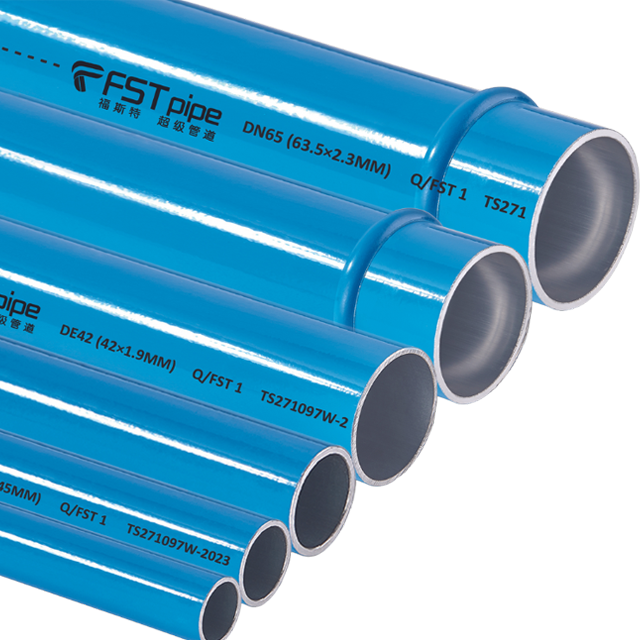
Material Matters: An aluminum air piping system offers the best balance of corrosion resistance, structural integrity, and smooth internal flow for 13 bar and 16 bar applications.
Avoid Over-engineering: While a 16 bar compressed air pipe provides maximum future-proofing, standard manufacturing facilities rarely require more than a 10 bar or 13 bar rating.
Engineers often look at their pneumatic tools, note a basic 6 bar requirement, and immediately specify a 10 bar pipeline. They assume this leaves plenty of room for error. This approach remains fundamentally flawed and dangerous. Your system rating must directly align with your compressor's absolute maximum capabilities, not your end-use tools.
Compressor output dictates your baseline infrastructure requirements. If your variable speed drive (VSD) compressor can spike to 12 bar during peak mechanical anomalies, a 10 bar network instantly fails compliance. We always recommend evaluating the equipment's nameplate maximum discharge pressure. You must build your network to handle that specific maximum output without breaking a sweat.
You must understand the distinct difference between Maximum Working Pressure (MWP) and burst pressure. Burst pressure represents the exact threshold where a physical pipe violently ruptures. Industrial standard organizations, such as ASME, mandate strict safety ratios for pneumatic systems. They typically require a 3:1 or 4:1 safety margin.
Several dynamic factors can compromise this safety margin over time. You must account for:
Thermal fatigue: Constant expansion and contraction weakens joints.
Mechanical vibration: Direct resonance from heavy machinery micro-fractures rigid fittings.
Pressure cycling: Rapid loading and unloading stresses the pipe walls.
If a pipe features a 13 bar MWP, its actual burst pressure might sit around 52 bar. You should never cut into this vital safety margin to accommodate higher compressor spikes.
Environmental variables heavily influence your true pressure capacity. Heat acts as a silent enemy to pneumatic infrastructure. We frequently install pipes near ceilings, above kilns, or across hot unventilated production roofs. As ambient heat rises, the material's structural integrity weakens significantly. A pipe rated for 16 bar at 20°C might safely handle only 12 bar at 50°C. You must carefully calculate temperature derating factors before finalizing your system blueprints.
Most light-to-medium industrial plants operate comfortably on a 10 bar network. We see this standard specification across countless factory floors.
Ideal use cases include general manufacturing plants, standard packaging facilities, and busy auto body repair shops. If you run basic pneumatic hand tools or small automated cylinders, a 10 bar rating offers plenty of capacity. It handles daily fluctuations with ease.
However, strict limitations exist. A 10 bar system falls incredibly short for specialized high-pressure blow-offs. It cannot safely handle PET bottle blowing equipment or heavy industrial pneumatic actuation valves. Despite these operational limits, 10 bar systems remain highly accessible. They are physically lighter, easier to maneuver, and structurally simpler to assemble.
When manufacturing demands increase, 10 bar often proves inadequate. Heavy industries require stronger infrastructure. A robust 13 bar air pipe steps in to bridge this gap perfectly.
Ideal use cases involve large-scale automotive manufacturing, aerospace assembly lines, and CNC machining centers. These expansive environments feature vast, sprawling layouts. Long pipe runs naturally create severe downstream pressure drops. A 13 bar network allows you to safely boost the initial compressor output. You can push 11 or 12 bar at the source, ensuring a steady 8 bar reaches the farthest corners of your massive plant.
This rating acts as an excellent operational buffer. If you plan to scale operations soon, a 13 bar specification easily absorbs variable speed drive (VSD) compressor spikes without triggering safety valves.
Extreme industrial applications require extreme engineering. A 16 bar compressed air pipe handles the most punishing pneumatic demands known in manufacturing.
Ideal use cases include PET blow molding operations. These bottle-making machines frequently demand 14 to 15 bar strictly to form the plastic. Laser cutting facilities using high-pressure nitrogen or air assist also rely heavily on this rating. Heavy mining equipment and specialized chemical processing plants similarly mandate 16 bar pipelines for safe operation.
The limitations revolve strictly around physical density and complex assembly constraints. These robust systems demand heavier pipe walls, precision-machined locking fittings, and highly specialized installation labor. However, they offer unmatched future-proofing. We highly recommend a 16 bar specification if you plan to transition toward heavy-duty automation within the next five years.
Pressure ratings mean nothing if your selected material degrades. The internal environment of a pneumatic line is wet, turbulent, and oily. Let's examine why certain materials dominate the modern industrial landscape while others fail.
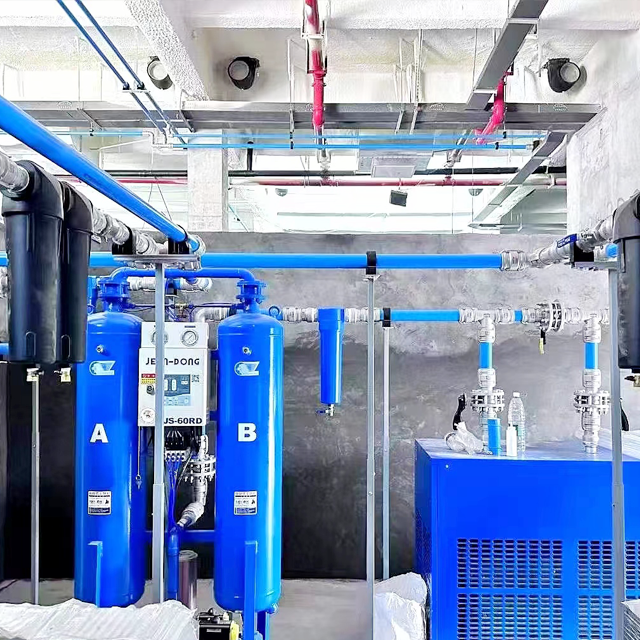
Engineers overwhelmingly prefer an aluminum air piping system for modern high-performance installations. Aluminum delivers exceptional reliability over decades of continuous use.
It maintains a perfectly constant friction factor. Unlike older galvanized steel, aluminum never scales, pits, or rusts internally. This perpetually smooth bore prevents velocity drag and ensures your air stream stays entirely clean. Clean air protects your expensive downstream pneumatic valves from abrasive debris.
High-pressure reliability represents another massive advantage. The structural rigidity of extruded aluminum easily handles 13 bar and 16 bar cyclical stress. It expands and contracts predictably under thermal loads. Conversely, OSHA strictly prohibits PVC pipe for compressed gases. PVC becomes highly brittle and violently shatters when pressurized. It sends deadly plastic shrapnel across the factory floor upon failure.
We must also evaluate traditional metallic options when designing an industrial compressed air pipe network.
Stainless steel provides incredible structural strength. It works beautifully in harsh, highly corrosive chemical washdown environments or outdoor marine applications. However, stainless steel is notoriously heavy and difficult to modify. It demands skilled welders or massive press fittings for safe installation.
Copper serves well for standard, low-pressure networks in smaller footprints. Yet, copper requires extensive brazing or soldering at every single joint. When you need large diameter pipes for high-volume, high-pressure setups, copper quickly becomes too cumbersome and heavy to support safely overhead.
Material Suitability for High-Pressure Pneumatics
Material Type | Max Typical Pressure (Bar) | Corrosion Resistance | Installation Method | Ideal Application |
|---|---|---|---|---|
Extruded Aluminum | 16+ Bar | Excellent | Push-to-connect / Clamp | Manufacturing, CNC, Heavy Industry |
Stainless Steel | High (20+ Bar) | Outstanding | Welding / Press fit | Chemical Processing, Food Grade |
Galvanized Steel | 16 Bar | Poor (Internal Rust) | Threading | Legacy Systems (Not Recommended) |
Copper | 13 Bar | Good | Brazing / Soldering | Medical Gas, Small Workshops |
A high pressure rating cannot fix a fundamentally flawed design. Many facilities mistakenly boost their compressor output simply to overcome a poorly sized piping network.
Let's discuss the internal friction-pressure relationship. Undersized pipes act as a severe operational choke point. They heavily restrict volumetric flow. As air struggles to push aggressively through narrow corridors, it loses kinetic energy through surface friction. This physical phenomenon creates a massive system pressure drop. You might output 13 bar at the compressor room but only receive 8 bar at your distant packaging machine.
Balancing your pipe diameter with your chosen pressure rating remains absolutely crucial. The pressure rating dictates the physical safety of the pipe wall. The diameter dictates your total air volume and flow velocity. You must precisely calculate your required CFM (Cubic Feet per Minute) before looking at pressure specs.
If your manufacturing floor demands 1000 CFM, a small two-inch pipe will bottleneck the flow entirely. This happens regardless of whether the pipe is rated for 10 bar or 16 bar. You must upsize the physical diameter to reduce internal velocity. High velocity dramatically increases friction. This friction forces your compressors to run harder, unnecessarily wasting massive amounts of electrical energy. Always size the network diameter for optimal flow velocity before selecting the final wall thickness and bar rating.
Designing the system is only half the battle. Poor installation turns even the highest-quality high pressure air piping into a critical facility hazard.
Proper fitting and precision torquing stand out as the most vital installation steps. A network is only as secure as its absolute weakest joint. You must use manufacturer-specified push-to-connect mechanisms or heavy-duty crimped fittings. Over-tightening crushes internal O-rings, while under-tightening leads to catastrophic joint blowouts under heavy 16 bar cyclical loads.
Safety compliance directly protects your workforce. Always reference ASME B31.1 (Power Piping) or B31.3 (Process Piping) standards when deploying industrial pneumatic architecture. ISO standards also provide rigorous testing frameworks for volumetric safety.
We strongly recommend following a strict commissioning protocol before bringing a new high-pressure line into full service. Rushing this process invites disaster.
Visual Inspection: Walk the entire physical line to verify every hanger, heavy-duty clamp, and joint aligns properly without structural sagging.
Isolation Phasing: Close off all downstream pneumatic valves and sensitive equipment regulators to prevent sudden pressure shock to your machinery.
Incremental Pressure Testing: Introduce air at conservative 25% increments. Hold the pressure steadily for ten minutes at each stage. Monitor diligently for audible leaks or gauge drops before reaching the maximum rated load.
Choosing the correct piping pressure rating defines your facility's operational stability. You now understand the core mechanical variables. Standard pneumatic tools run safely on a 10 bar specification. Heavy-duty factories needing pipeline buffer capacity should select a 13 bar pipe. Specialized, high-intensity applications demand a rigid 16 bar infrastructure.
We strongly advise conducting a comprehensive air demand audit before buying any materials. Measure your peak CFM, chart your compressor's maximum possible output, and map out your longest facility pipe runs.
Do not leave this vital engineering decision to guesswork. Consult with a qualified pneumatic system engineer today. Request a professional pipe sizing calculator to lock in your exact structural specifications and ensure decades of safe operation.
A: We strongly advise against this due to severe safety risks. A pneumatic system is only rated for its lowest-rated component. If you must mix ratings, it requires strict, fail-safe pressure regulation valves (PRVs) installed immediately before entering the lower-rated zones. Without PRVs, high-pressure spikes can easily rupture the weaker pipes.
A: Yes, ambient temperature heavily impacts structural capacity. You must apply a derating factor for hot environments. As ambient or compressed air temperatures rise above standard baselines (typically 20°C or 68°F), the safe maximum pressure capacity of the pipe material steadily decreases. Always consult manufacturer derating charts for hot installations.
A: PVC degrades over time and becomes highly brittle. When carrying compressible gases under pressure, a structural failure does not simply leak; it shatters violently. This action sends deadly plastic shrapnel across the facility. OSHA strictly prohibits PVC for compressed air. You should always use aluminum or steel compliant alternatives.
A: Diameter and pressure rating handle two entirely different physics. Diameter dictates your air volume and flow velocity. Pressure rating dictates the physical wall strength and structural safety. You must calculate your CFM requirements first to determine the correct diameter. Then, select a pipe in that specific diameter meeting your required bar rating.