Views: 0 Author: Site Editor Publish Time: 2026-09-30 Origin: Site
Industrial fluid and gas systems require strict identification to ensure facility safety. They also expedite maintenance and maintain rigid regulatory compliance. Misidentified lines frequently lead to hazardous cross-connections. They cause failed audits and trigger prolonged downtime during emergency shut-offs. Facility managers constantly face a critical operational choice. You must decide between retrofitting legacy systems using labels and paint or upgrading completely. Modern facilities increasingly rely on inherently compliant, pre-colored modular systems.
This article provides a definitive evaluation framework for industrial fluid tracking. We compare legacy marking methods directly against modern pre-colored piping solutions. You will understand how distinct color protocols prevent catastrophic accidents on the factory floor. We will explore specific media standards, material differences, and compliance protocols. You will learn how to guide your next procurement cycle and make informed facility upgrade decisions.
Adherence to ANSI/ASME A13.1 or regional RAL standards is non-negotiable for OSHA compliance and operational safety.
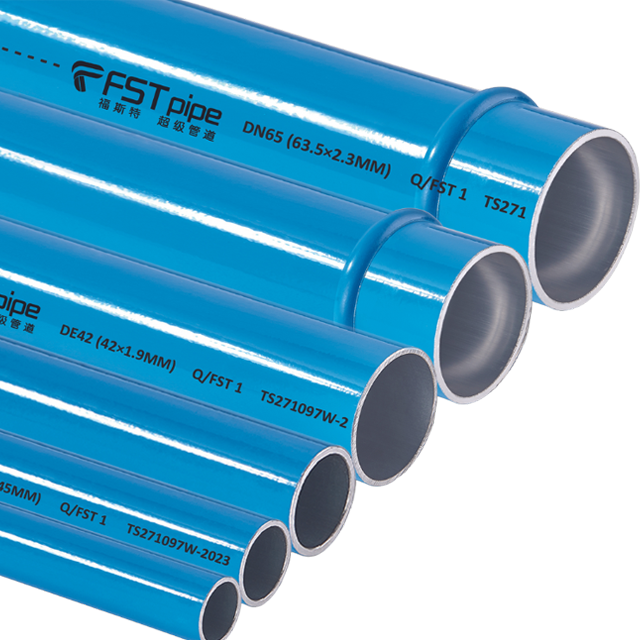
A blue compressed air pipe and a gray vacuum pipe are the industry-standard visual baselines for non-hazardous, low-risk utility gases.
Transitioning from painted legacy piping to colored aluminum piping significantly reduces installation labor, ongoing maintenance, and pressure drop.
Selecting the right air piping manufacturer requires evaluating modularity, warranty terms, and strict adherence to global color-coding standards.
Clarity across your facility infrastructure is not just an aesthetic choice. It serves as the primary defense against workplace accidents. A robust industrial gas pipe identification strategy prevents operators from making critical errors. Visual clarity actively stops maintenance teams from accidentally tapping into inert gas or vacuum lines instead of compressed air.
Accidental nitrogen asphyxiation remains a severe risk in modern manufacturing. If an operator hooks a pneumatic breathing apparatus or standard air tool into an unmarked nitrogen line, the results are instantly catastrophic. Standardized coloring eliminates this guesswork entirely. It provides instant visual cues for everyone on the floor.
Regulatory compliance heavily relies on these visual standards. OSHA frequently issues severe citations regarding improper pipe marking. They enforce this through the General Duty Clause, often relying on ANSI/ASME A13.1 guidelines as the benchmark for safety. Failing an audit disrupts operations and incurs massive legal liabilities.
Maintenance efficiency drastically improves when piping is universally recognizable. Technicians spend less time tracing lines through complex ceiling grids. Universal color codes reduce diagnostic time. They also streamline lockout/tagout (LOTO) procedures. When every technician immediately identifies the media inside a pipe, they secure the system faster.
Audit your current piping infrastructure quarterly for faded paint or missing labels.
Train all new operators on the specific color standards used within your facility.
Never rely on tribal knowledge to identify legacy fluid systems.
Understanding baseline standards is vital for operational compliance. ANSI/ASME A13.1 dictates fluid and gas classification in the United States. Meanwhile, the ISO and RAL safety color systems govern global and European standards. These frameworks ensure global uniformity across industrial applications.
A standard blue compressed air pipe represents the universal baseline for pneumatic power. This color aligns with RAL 5012, commonly known as Safety Blue. Blue specifically designates low-hazard, non-toxic gaseous materials. It visually separates harmless utility air from dangerous substances.
Vacuum systems require distinct visual separation from active, pressurized gases. The industry mandate calls for a gray vacuum pipe. This uses RAL 7001, or Silver-Gray. Gray immediately alerts technicians to negative pressure lines. It prevents accidental integration with positive pressure pneumatic tools.
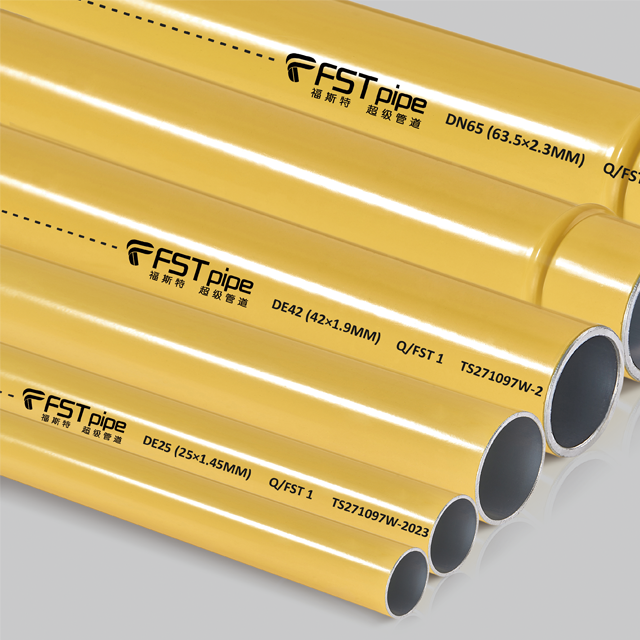
Inert gases follow their own strict visual guidelines. Systems carrying Nitrogen, Argon, or Helium typically use green. Sometimes, facilities employ specific blue and gray combinations. These colors emphasize the distinction from flammable or toxic gases, which legally require yellow or orange markings.
Proper compressed air pipe color coding extends beyond the base color. Safety standards require directional flow arrows. Text legibility must meet specific height requirements based on the pipe's diameter. You must place these labels frequently. Standards typically mandate placement every 50 feet, adjacent to valves, and wherever pipes penetrate walls.
ANSI and RAL Color Mapping Guide
Media Category | Safety Standard Color | RAL Equivalent | Common Application |
|---|---|---|---|
Compressed Air | Safety Blue | RAL 5012 | Pneumatic tools, automation |
Vacuum | Silver-Gray | RAL 7001 | Material handling, packaging |
Inert Gases (Nitrogen) | Safety Green | RAL 6032 | Blanketing, food processing |
Flammable/Toxic | Safety Yellow/Orange | RAL 1003 | Natural gas, hazardous chemicals |
Facility managers face two distinct paths when addressing outdated infrastructure. You can either retrofit legacy systems or upgrade to modern modular solutions. Each approach carries unique operational realities.
Approach A involves painting and labeling legacy systems, typically black iron or copper. This method offers a lower upfront material cost if the existing pipe infrastructure remains perfectly sound. However, the drawbacks often outweigh the initial convenience.
You face intense labor requirements when painting heavy overhead pipes. Paint continuously peels and flakes in harsh, humid industrial environments. Furthermore, external paint provides absolutely zero internal corrosion protection. Legacy iron pipes will continue to scale inside, regardless of how compliant they look on the outside.
Approach B utilizes modern modular systems. A colored aluminum piping network arrives with factory-applied, extruded, or powder-coated colors. These finishes do not degrade over time. You achieve integrated compliance directly out of the box.
The primary hurdle for Approach B is the higher initial material expenditure. You will likely need formal capital approval. However, you eliminate the repetitive labor of scraping, prepping, and repainting overhead lines every few years. Pre-colored systems maintain their compliance visually without ongoing maintenance interventions.
Comparison Chart: Legacy vs. Modular Systems
Feature | Painted Legacy Piping (Iron/Copper) | Modular Colored Aluminum Piping |
|---|---|---|
Compliance Readiness | Requires manual painting/labeling | Out-of-the-box standard color adherence |
Finish Durability | Prone to flaking, peeling, fading | Permanent powder-coated or extruded finish |
Installation Labor | High (threading, welding, painting) | Low (push-to-connect modular fittings) |
Internal Cleanliness | Susceptible to internal rust and scaling | Zero internal corrosion |
Modern manufacturing demands systems that perform flawlessly inside and out. An aluminum air pipe provides unparalleled internal and external integrity. Unlike painted black iron, aluminum does not scale or rust internally. It protects sensitive downstream pneumatics from damaging particulate matter.
Maintaining a clean internal environment ensures a permanently smooth bore. This smoothness promotes optimal laminar flow throughout the network. Legacy iron pipes develop internal friction as they rust. This forces air compressors to work harder to push the same volume of air.
Reduced internal friction directly enhances energy efficiency. Smooth aluminum pipes lower compressor energy consumption drastically. The compressors cycle less frequently. They maintain consistent pressure levels at the end-use points without excessive strain. This operational efficiency translates to substantial energy conservation across the facility.
Agility and scalability define modern modular networks. Push-to-connect systems offer a massive structural advantage. When your facility expands, you can modify the layout swiftly.
They integrate effortlessly with existing legacy drops during phased upgrades.
They require no heavy threading machinery or hot work permits to install.
They allow facilities to retool assembly lines in a fraction of the time.
They weigh significantly less, reducing strain on ceiling truss structures.
Choosing the correct air piping manufacturer dictates the long-term success of your upgrade. You must evaluate potential vendors across several strict criteria.
First, verify compliance certainty. Does the manufacturer offer exact RAL or ANSI color matches? The coating must be specifically engineered for compressed air, vacuum, and inert gas environments. Generic blue paint on an unverified pipe does not guarantee regulatory compliance.
Next, evaluate fittings and leak guarantees. Scrutinize their proprietary connection technology. Some use O-ring compression, while others rely on crimp mechanisms. Determine the manufacturer's stance on leak-free warranties. A reliable vendor will offer extended 10-year or lifetime guarantees against fitting leaks.
Engineering and layout support separate premium vendors from basic suppliers. Assess whether the vendor provides comprehensive pressure-drop calculations. They should offer CAD or BIM modeling for your specific facility geometry. Look for implementation roadmaps that minimize disruption to your current operations.
Finally, consider supply chain robustness and material availability. Choosing a vendor with localized inventory is critical. Phased facility upgrades often face unexpected timeline shifts. Localized stock prevents disastrous delays when you need extra fittings or pipe lengths at the last minute.
Proper identification of industrial gases goes far beyond basic facility aesthetics. It operates as a fundamental component of structural safety and operational efficiency. Accurately colored lines protect your workforce from hazardous misconnections. They also shield your business from severe regulatory penalties and costly audit failures.
We advise decision-makers to audit their current piping infrastructure immediately. Walk the facility floor. Check for peeling paint, illegible labels, and undocumented pipe modifications. If your legacy pipes suffer from corrosion or repeatedly require manual repainting for compliance, a system overhaul is due.
Transitioning to a pre-colored modular aluminum system represents the smartest operational strategy. You eliminate recurring maintenance labor while drastically improving internal flow dynamics. Reach out to a qualified piping specialist today. Request a comprehensive system sizing consultation to modernize your fluid and gas infrastructure.
A: While OSHA doesn't enforce a specific paint brand, they mandate recognizable hazard and utility marking. They commonly enforce ANSI/ASME A13.1, which strictly designates blue for low-hazard gases like compressed air.
A: Emphatically no. OSHA explicitly prohibits standard PVC for compressed air due to the severe risk of explosive shattering. This prohibition applies regardless of how it is colored or labeled.
A: Vacuum lines are typically designated with a gray pipe. Inert gases, like Nitrogen, often use green with specific white lettering. This indicates their low-hazard, non-flammable status.
A: Yes. While the pipe's base color identifies the media category, safety standards still require directional arrows and clear text identifiers. These additions indicate flow direction and the exact gas type.