Views: 0 Author: Site Editor Publish Time: 2026-09-10 Origin: Site
The transition from the main header pipe to the point-of-use represents the most critical vulnerability zone for pressure drops and system leaks in any facility. While facility managers often dedicate extensive engineering resources to sizing header piping, the actual performance ultimately relies heavily on the branch lines. The air piping fittings utilized in these secondary drops dictate the true Cubic Feet per Minute (CFM) delivered directly to your pneumatic tools and machinery. Substandard connections inevitably choke airflow. They cause tools to underperform and force compressors to overwork constantly. Resolving these hidden bottlenecks requires strategic component selection at every drop point. We created this comprehensive guide to provide a technical and operational framework for designing efficient, compliant, and highly scalable branch line networks. You will learn exactly how to evaluate materials, specify components, and secure leak-free connections. By optimizing these critical transition points, you ensure steady pressure reaches every workstation across the entire production floor.
Improperly specified branch fittings account for the majority of artificial pressure drops in industrial pneumatic systems.
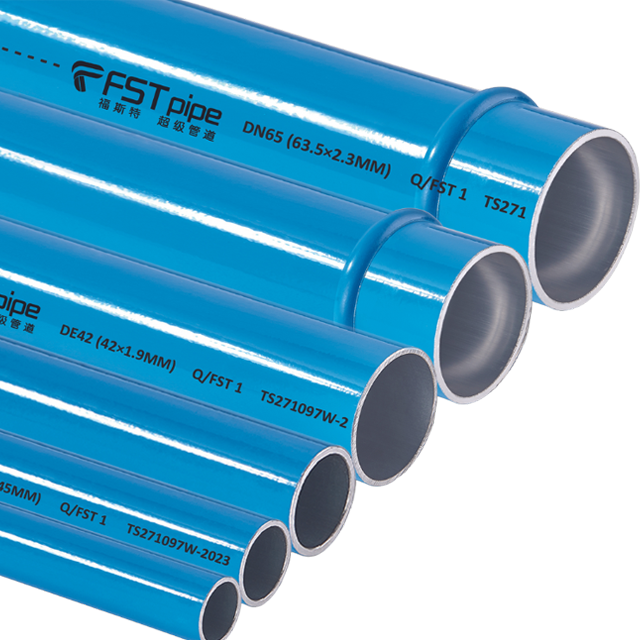
Aluminum air fittings have become the industry standard for new installations due to their corrosion resistance and modularity.
Selecting the correct tee and elbow fittings is critical for minimizing turbulence and maintaining steady airflow at the point of use.
Evaluating an industrial air piping supplier requires looking beyond upfront component costs to assess system modularity, availability, and ISO compliance.
Every single branch drop introduces friction into your pneumatic network. Each directional change disrupts the laminar flow of compressed air. When you install substandard components, you immediately create opportunities for micro-leaks. These invisible leaks waste immense amounts of compressor energy over time. High-performance air piping connectors eliminate this specific risk. Upgrading your branch connections directly stabilizes system pressure. It prevents your air compressor from constantly cycling to compensate for lost air.
What constitutes a truly high-performance branch connection? We define success through three strict engineering criteria. First, the connection must guarantee a zero-leak seal under continuous industrial vibration. Second, it must feature minimal internal flow restriction to keep CFM levels high. Third, it needs exceptional tolerance for ambient thermal expansion. If a connector fails any of these criteria, it becomes a liability on the factory floor.
Facility managers often overlook the grim implementation reality of older systems. Plumbers and pipefitters spend hours threading steel pipes. They spend equally long soldering copper lines in the rafters. This intense labor time frequently eclipses the initial material cost of the fittings themselves. Choosing modern connectors slashes your installation hours dramatically. It keeps facility upgrade projects strictly on schedule. Faster installation means less downtime for your active production lines.
Legacy metals historically dominated factory floors for decades. Black iron and galvanized steel pipes present severe structural risks over time. Internal moisture inevitably causes scaling and rust inside steel pipes. Rust flakes eventually detach from the pipe walls. They travel rapidly down the branch lines and clog sensitive pneumatic tools. Furthermore, steel systems demand heavy, labor-intensive threading during installation. Modifying a steel branch line requires shutting down large sections of the plant.
Copper offers significantly better reliability than steel. It resists internal corrosion exceptionally well. Many facilities still rely on copper for clean air delivery. However, copper introduces high material price volatility. Installing it also requires specialized brazing labor. Plumbers must use open flames to join the pipes. Securing hot-work permits slows down facility upgrades significantly and introduces fire hazards.
Today, aluminum air fittings serve as the recognized industry standard. Structural aluminum proves completely ideal for branch lines. It remains remarkably lightweight and guarantees zero internal corrosion. The smooth internal bore ensures minimal friction against the air stream. This maximizes airflow directly to the application. Manufacturers now utilize push-to-connect or compression designs for these aluminum systems. These modern connections drastically reduce installation downtime.
Safety Warning: You must never use PVC for compressed air distribution. OSHA explicitly warns against PVC usage in any pneumatic application. Compressed air stores massive amounts of kinetic energy. If a PVC pipe ruptures under pressure, it shatters into dangerous shrapnel. Always specify approved metallic or specialized polymer systems for maximum worker safety.
Piping Material Characteristics Summary
Material Type | Corrosion Resistance | Installation Method | Safety Profile |
|---|---|---|---|
Black Iron | Low (Prone to internal rust) | Threading | Safe (High burst pressure) |
Copper | High (No rust) | Brazing (Hot Work) | Safe (Excellent durability) |
Aluminum | Excellent (Zero scaling) | Push-to-connect / Compression | Safe (OSHA compliant) |
PVC | Not Applicable | Solvent Welding | Hazardous (Shrapnel risk) |
Routing branch lines properly minimizes turbulence and preserves energy. Every hard 90-degree bend creates significant flow resistance. Air slams into the back wall of standard 90-degree tee and elbow fittings. This aggressive collision causes immediate pressure drops. We highly recommend using sweeping elbows instead. Sweeping designs gently guide the compressed air around the bend. Alternatively, engineers use 45-degree angles where routing space allows. This simple adjustment improves tool efficiency immensely.
The "Swan Neck" or gooseneck connection represents a critical engineering best practice. You should never tap a branch line directly from the bottom of the main header. Condensation naturally pools at the bottom of horizontal header pipes. A bottom tap drains this collected water directly into your pneumatic tools. Instead, branch off the top of the header. Route the pipe upward, then drop it down to the application. This specific tee configuration creates a gravity barrier. It successfully prevents moisture contamination from ruining your automated machinery.
Point-of-use terminations require equal attention during the design phase. The rigid branch line must eventually transition to accommodate movement. Usually, it connects to a flexible pneumatic hose or a quick-disconnect coupler at the workstation. Ensure these final transition points match the exact CFM requirements of the attached tool. Restricting the airflow at the final inch of the system negates all prior optimization efforts.
Here are a few common mistakes to avoid during branch line routing:
Using standard plumbing water elbows instead of sweeping pneumatic elbows.
Tapping branch drops directly from the bottom of horizontal headers.
Undersizing the final quick-disconnect connection relative to the tool's air demand.
Failing to secure the branch line to the wall, allowing it to vibrate excessively.
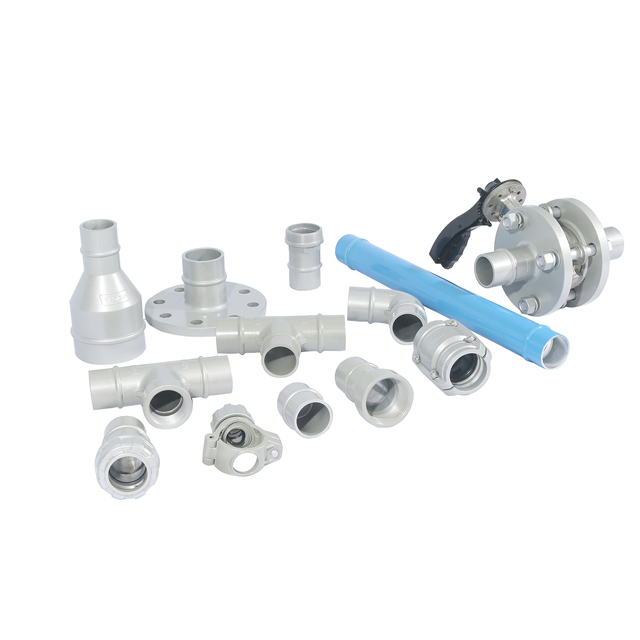
A high-quality pipe to pipe connector maintains system integrity under severe mechanical stress. You must demand strict structural integrity from every joint. The best connectors feature dual O-ring seals. They utilize stainless steel grab rings for an absolute grip on the pipe exterior. Their outer bodies consist of durable engineering polymers or robust aluminum alloys. These precise mechanics ensure the pipe stays permanently locked under pressure.
Modularity and reusability stand out as equally important features for modern facilities. Factory layouts change constantly to accommodate new products. Production lines move. You need connectors that adapt quickly to new floor plans. Premium fittings allow facility managers to modify branch lines seamlessly. You can extend or relocate drops without cutting new threads. You never have to discard old components. This high degree of modularity speeds up facility reconfigurations significantly.
Vibration resistance remains a primary challenge for any pneumatic network. Industrial machinery generates constant, heavy vibration. Stamping presses, CNC machines, and robotic arms shake the surrounding infrastructure. Branch connectors must absorb these frequencies safely. They must maintain a flawless seal despite the ongoing mechanical shock. Look for specialized commercial-grade O-rings designed specifically for high-vibration environments.
Follow this numbered process when evaluating a connector's industrial durability:
Verify the exact presence of dual O-ring sealing technology.
Examine the internal grab ring material to confirm it uses stainless steel.
Request and review the manufacturer's official vibration testing data.
Ensure the fitting allows for non-destructive disassembly and reuse.
Check the fitting's temperature rating to ensure it survives factory ambient heat.
Sourcing reliable components takes careful vetting and industry knowledge. Procurement and engineering teams need strict evaluation dimensions to succeed. A qualified industrial air piping supplier provides much more than raw materials. They deliver comprehensive, engineered solutions. They act as a partner in optimizing your facility's energy consumption.
Use this evaluation checklist when shortlisting potential suppliers:
System Compatibility: Do they offer a complete, closed-loop ecosystem? You need pipes, valves, brackets, and fittings designed to work together perfectly. Mixing brands often leads to tolerance mismatches.
Compliance & Testing: Always look for ISO 8573-1 compatibility regarding air quality and particulate counts. Demand clear ASME and OSHA compliance documentation. Verify explicit pressure and temperature ratings for all provided parts.
Inventory & Lead Times: Factories cannot afford prolonged downtime waiting for simple parts. Assess the supplier’s domestic stock levels. They must provide replacement parts quickly to keep your assembly lines running.
Warranty & Support: Highlight the immense value of long-term manufacturer guarantees. The best suppliers offer 10-year leak-free warranties. They also provide valuable system design software assistance to help you optimize complex layouts.
Optimizing your branch lines requires intentional design and rigorous component selection. Using the right fittings directly translates to lower energy bills. It fundamentally reduces your overall maintenance downtime. Upgrading legacy steel lines to modern aluminum systems eliminates rust contamination forever. Specifying sweeping elbows maintains crucial pressure levels right at the workstation.
We strongly encourage facility managers to act proactively today. Audit your current branch drops immediately. Listen for obvious air leaks during quiet shifts. Measure pressure drops at the point-of-use using accurate gauges. Identify any PVC piping and schedule its immediate removal.
Take the necessary steps to secure your pneumatic infrastructure. Consult with professional system engineers to audit your airflow. Download a comprehensive technical catalog to accurately specify components for your next installation. Upgrading your branch lines ensures peak performance for all automated machinery on your production floor.
A: We strongly advise against mixing different brands. Exact outer diameter (OD) tolerances vary slightly by manufacturer. Connecting mismatched parts increases the risk of micro-leaks and catastrophic blowouts. Furthermore, mixing brands automatically voids most manufacturer warranties and compromises system safety.
A: Standard industrial aluminum air fittings typically feature maximum pressure ratings between 190 and 232 PSI. However, this rating fluctuates based on ambient and operating temperatures. You must always check the specific manufacturer's technical specification sheet to confirm the safe operating limits for your exact facility environment.
A: Yes, they are highly safe, provided you use industrial-grade components rather than standard plumbing fittings. Commercial-grade push-to-connect fittings utilize stainless steel grab rings and high-nitrile O-rings. These advanced materials easily handle intense industrial vibration, thermal expansion, and continuous high-pressure air distribution.