Views: 0 Author: Site Editor Publish Time: 2026-08-12 Origin: Site
Industry experts often call compressed air the "fourth utility" in modern manufacturing facilities. However, your chosen piping material directly dictates your true energy efficiency. It also determines operational downtime. Facility managers and engineers constantly face a tough choice. They must weigh the modern modularity of an Aluminum Air Piping System against older legacy methods. They often compare it directly against the traditional, heavy-duty reputation of Stainless Steel Piping.
Selecting the wrong material causes hidden leaks. It creates severe pressure drops and incurs massive labor expenses later. This article moves beyond basic definitions. We provide an evidence-based, ROI-focused comparison. You will learn exactly how to finalize your system architecture. We help technical buyers make data-driven decisions based on real-world requirements.
Labor vs. Material Cost: Stainless steel has lower raw material costs but carries significantly higher installation labor and specialized tooling costs.
Pressure Drop & Efficiency: Both materials offer smooth internal surfaces to prevent pressure drop, but aluminum's resistance to interior scaling maintains this efficiency permanently.
Modifiability: Aluminum systems use modular, push-to-connect or clamped fittings, making future facility expansions fast and safe; stainless requires cutting, threading, or welding.
Application Verdict: Stainless steel is reserved for extreme external caustic environments or strict sanitary washdown zones; aluminum is the optimal standard for 90%+ of manufacturing, automotive, and industrial applications.
Air compressors consume massive amounts of electricity. Friction inside inferior pipes forces compressors to work much harder. Furthermore, undetected air leaks silently drain facility budgets every single day. Many facilities waste up to 30 percent of their generated compressed air. These invisible losses inflate energy bills significantly.
Modern equipment strictly dictates a "clean air" requirement. Legacy materials like black iron or standard carbon steel are now entirely obsolete. They corrode from internal moisture. Flaking rust travels downstream rapidly. This scaling destroys expensive pneumatic cylinders and delicate valves. You must prevent this contamination. This reality forces engineers to choose between aluminum and stainless alternatives.
You must define success criteria clearly before selecting a material. True success relies on long-term operational efficiency over a 10-year period. You must also measure installation downtime. Prolonged installation creates costly business interruptions. Finally, compliance dictates your choice. Your system must meet strict ISO 8573-1 air purity standards constantly.
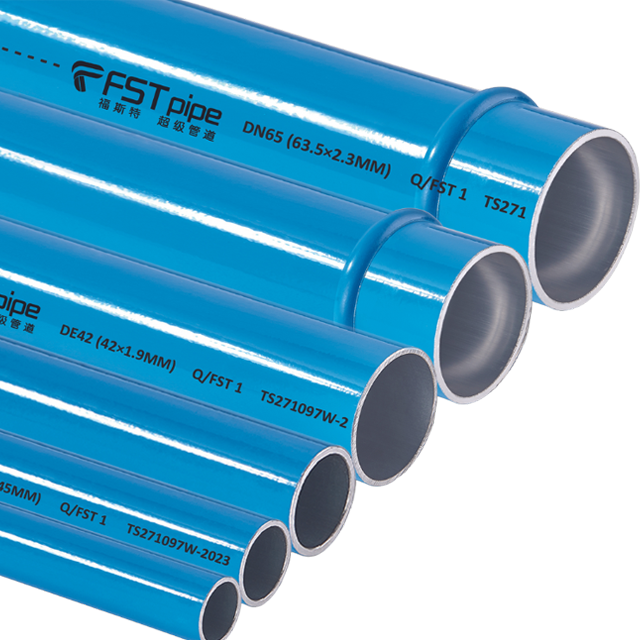
The core architecture relies on an extruded aluminum alloy. Manufacturers apply a calibrated external powder coating. The internal surface receives a specialized smooth treatment. This creates a nearly frictionless environment. Air glides through effortlessly. The system arrives ready for immediate deployment.
Operational strengths define this modern approach. Consider these primary advantages:
Ultra-lightweight profile: The material requires significantly less structural support. Ceiling grids bear minimal strain.
Zero internal corrosion: The smooth bore protects sensitive pneumatic tools downstream permanently. It prevents rust completely.
Modular fittings: Installers use push-to-connect or clamped joints. No hot work permits are necessary. Specialized threading equipment is entirely unnecessary.
We must also acknowledge transparent limitations. Aluminum remains vulnerable to specific highly corrosive external chemicals. Concentrated chlorines can cause exterior pitting. You must evaluate your ambient environment carefully. Situational awareness prevents premature exterior degradation.
Facilities commonly use 304 or 316-grade stainless steel for core architecture. Installers typically join these pipes via threading, welding, or heavy-duty press-fittings. The material possesses an undeniable ruggedness. It survives where other materials might fail physically.
Its operational strengths center on extreme durability. Observe these key benefits:
Unmatched mechanical impact resistance: Forklifts or heavy machinery can bump it. The pipe resists denting and catastrophic failure.
Exceptional exterior chemical and heat resistance: Food and beverage plants require harsh caustic washdowns. Chemical plants generate extreme ambient heat. Stainless survives these specific extremes easily.
However, transparent limitations restrict its general use. The material is extremely heavy. It requires robust structural anchoring. Installation is highly labor-intensive. Modifying a commissioned system is difficult. Rerouting lines proves incredibly expensive and slow.
An aluminum system changes the installation timeline dramatically. General maintenance staff can install it safely. They only need basic hand tools. This approach reduces overall installation time by up to 50 percent. Conversely, stainless requires specialized tradesmen. You must hire skilled pipefitters or certified welders. Heavy threading machines slow down progress. This creates a very high labor-to-material cost ratio.
Aluminum provides an "erector set" style of modularity. Tapping a new drop line takes merely minutes. You avoid system-wide teardowns completely. Workers drill a hole, attach a saddle clamp, and run the drop. Stainless relies on rigid architecture. Tapping a new line requires full system depressurization. Workers must cut the pipe. They must re-thread the ends. This causes high downtime.
Both materials start with superior laminar flow. They outperform black iron significantly from day one. Both materials maintain excellent long-term CFM efficiency. The true differentiator involves joint leaks over time. Aluminum utilizes precise double O-ring seals. These seals absorb vibration perfectly. Stainless relies on threaded joints. Machine vibration degrades these threads gradually. This degradation often causes microscopic leaks eventually.
Material Characteristic Comparison
Evaluation Metric | Aluminum System | Stainless System |
|---|---|---|
Installation Speed | Fast (Push-to-connect / Clamps) | Slow (Threading / Welding) |
System Weight | Ultra-lightweight | Extremely heavy |
Internal Corrosion | Zero | Zero |
Future Modifiability | Simple, no specialized tools | Complex, requires depressurization |
Galvanic corrosion represents a major risk. Facilities often mix an aluminum network alongside existing copper or standard steel components. Direct contact between dissimilar metals causes rapid galvanic corrosion. You must install proper dielectric unions. These unions isolate the metals electrically. They prevent premature joint failure effectively.
Thermal expansion creates another common hazard. You must account for seasonal temperature fluctuations. Aluminum expands more than steel naturally. Long straight runs require careful planning.
Follow these numbered best practices to mitigate expansion risks:
Install engineered expansion loops on straight runs exceeding 150 feet.
Utilize sliding brackets instead of rigid clamps to allow lateral movement.
Anchor directional changes securely to direct expansion toward the loops.
Finally, under-sizing the headers traps many engineers. This remains a common engineering trap. You might choose the best material available. However, undersized pipes increase air velocity aggressively. This negates all efficiency benefits instantly. Always size your main header for future expansion.
You should choose Stainless Steel Piping under very specific conditions. Select it if you operate in a strict FDA-regulated washdown environment. It remains necessary if you deal with highly caustic ambient vapors daily. You also need it if pipes must withstand extreme external temperatures or heavy mechanical abuse.
Conversely, you should choose an Aluminum Air Piping System for almost everything else. Select it if you are building out a general manufacturing or assembly plant. It excels in automated facilities. Speed of installation dictates initial ROI. Clean air delivery to pneumatics ensures operational uptime. Future layout flexibility guarantees long-term agility. Aluminum wins in these standard industrial categories.
Stainless steel remains an undeniable powerhouse for niche, severe environments. It handles extreme caustic washdowns and high impacts flawlessly. However, aluminum represents the most financially and operationally sound choice for the vast majority of industrial operations. It delivers clean air, eliminates internal rust, and drastically reduces labor hours.
You should take proactive steps to optimize your facility today. Request a comprehensive system sizing consultation from a certified engineer. Download a system efficiency calculator to project your energy savings. Finally, request a physical aluminum piping material sample to experience the lightweight durability firsthand.
A: Yes, you can connect them safely. You must use specialized transition fittings. You also need dielectric unions. These components isolate the two materials electrically. This prevents dissimilar metal corrosion and protects your joint integrity.
A: Yes, standard industrial aluminum systems handle high pressure easily. Manufacturers typically rate them for 200 to 232 PSI. This comfortably exceeds standard shop air requirements, which normally operate between 90 and 120 PSI.
A: No, it does not. Unlike standard carbon steel, stainless does not rust internally. It maintains a smooth inner wall indefinitely. This ensures a continuously low pressure drop throughout its entire operational lifespan.
A: Both materials boast exceptional longevity. They will technically outlast the facility itself if properly maintained. Therefore, you should make your decision based on initial installation costs and future modifiability.