Views: 0 Author: Site Editor Publish Time: 2026-06-27 Origin: Site
Piping remains the most overlooked component within any compressed air network. Facility engineers often spend weeks evaluating compressor horsepower, receiver tank volumes, and advanced filtration units. Yet, the physical delivery pipeline actively drives the highest percentage of pressure drops across the plant floor. It also causes massive energy waste and ongoing maintenance headaches over the equipment lifespan. Facility managers constantly face a difficult choice during new construction or retrofits. They must weigh the familiar, lower material costs of traditional steel against modern alternatives. The promised energy efficiency of an aluminum air piping system presents a compelling option. Decision-makers need an objective evaluation to navigate this vital infrastructure choice. You will learn how installation realities dictate upfront spending. We will explore operational compliance, air purity standards, and long-term energy savings. This guide empowers procurement teams to choose the right material. You can build a reliable industrial setup for scalable future growth.
Material vs. Labor: While steel pipe materials are cheaper upfront, aluminum piping drastically reduces total installation costs due to eliminating threading, welding, and heavy lifting.
Energy Efficiency: Aluminum’s smooth, corrosion-free interior prevents pressure drops over time, leading to measurable ongoing energy savings compared to degrading steel pipes.
Air Purity: Steel pipes inevitably introduce moisture-induced rust into the air stream, risking pneumatic tool damage; aluminum guarantees consistent, clean air delivery.
Modifiability: Aluminum systems utilize modular push-to-connect or compression fittings, making future facility expansions fast and minimally disruptive.
Industrial facilities relied on steel and black iron for decades. Engineers trusted its high pressure ratings under extreme conditions. They appreciated its robust impact resistance against forklift strikes. Many buyers also liked the perceived low material costs presented on initial supply quotes. Black iron and galvanized steel became standard choices for almost every manufacturing plant. Contractors knew exactly how to install them. Suppliers kept massive inventories of standard lengths and universal NPT fittings.
However, internal degradation remains unavoidable inside metallic iron networks. Compressed air naturally contains condensed moisture. This condensation reacts chemically inside traditional steel pipes. Rust scale forms rapidly along the interior walls. The rough scale increases internal friction significantly. Air encounters severe resistance as it travels downstream toward usage points. Compressors must work much harder to push air through these degraded pipes. This turbulent flow wastes massive amounts of electricity annually.
Implementation realities expose another major operational flaw. Steel installation remains highly labor-intensive from start to finish. You need specialized, highly paid pipefitters to thread or weld every single joint. These professionals command premium hourly rates. Contractors must use heavy, dangerous equipment. They drag bulky pipe threaders onto the factory floor. Facilities often require strict "hot work" permits for any welding. Installation is incredibly messy and disruptive to normal operations. Cutting oils and sharp metal shavings scatter everywhere. Maintenance teams must flush the lines extensively before introducing air.
Pneumatic tool risk presents a severe daily operational hazard. Rust flakes eventually break off the deteriorating pipe walls. The high-velocity airflow carries these jagged particles downstream rapidly. Rust quickly clogs expensive coalescing filtration units. It severely damages sensitive pneumatic equipment. Cylinders and directional valves fail prematurely due to internal scoring. This abrasive internal damage often voids expensive manufacturer warranties. Galvanized pipe eventually loses its internal zinc coating entirely. The flaking zinc creates a highly abrasive dust. This dust acts like sandpaper inside your expensive automated air tools.
Modern manufacturing facilities demand significantly better pneumatic performance. A calibrated smooth bore provides a massive operational advantage. Aluminum air pipes feature permanent interior smoothness. This glass-like internal surface minimizes laminar friction completely. It ensures optimal air velocity throughout the entire plant floor. Air glides effortlessly from the compressor room to the final usage points. This directly reduces energy consumption at the primary compressor unit. You can safely lower the system pressure setpoint. Every single pressure reduction saves measurable electricity dollars.
Zero corrosion risk changes the game for quality control. Aluminum inherently resists rust formations. It avoids internal oxidation entirely. The interior remains pristine year after year despite constant moisture exposure. This chemical stability maintains exceptionally high air purity. Clean air is absolutely crucial for ISO-certified facilities. It matters immensely for automotive painting booths. Food-grade applications mandate strictly rust-free environments. You eliminate the costly risk of product contamination completely.
Weight and safety factors heavily influence modern facility installations. Aluminum is remarkably lightweight compared to traditional materials. It is significantly lighter than schedule 40 steel. Installers need fewer structural supports to secure the overhead lines. Workers experience much less physical fatigue during long shifts. They easily lift lighter sections into the high ceiling rafters. Safety risks drop dramatically during complex overhead installations. You lower the chance of catastrophic job site injuries.
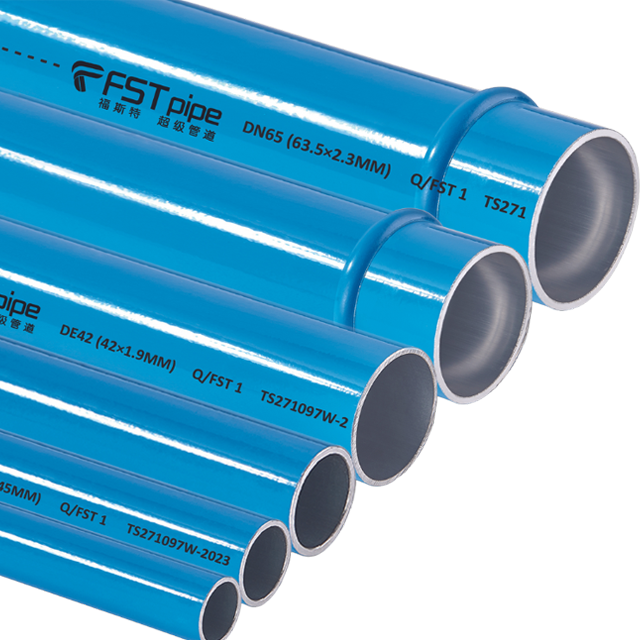
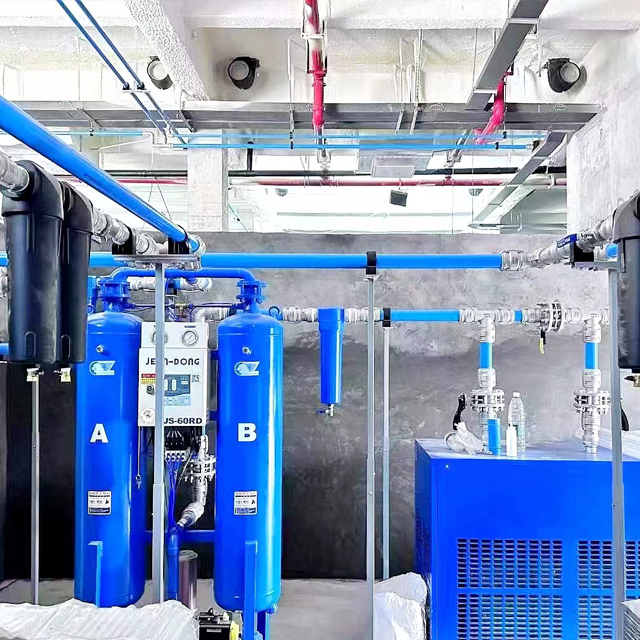
Visual standardization simplifies ongoing regulatory compliance. Most industrial aluminum pipes come pre-painted from the factory. The standard vivid blue color specifically denotes compressed air transport. This ensures immediate visual compliance across the facility. You meet strict OSHA and ASME color-coding standards instantly. You avoid extra painting labor or wrapping pipes in colored tape. The vivid blue finish looks highly professional. It elevates the visual appeal of the entire manufacturing facility. Selecting an appropriate aluminum air pipeindustrial compressed air piping architecture defines your future operational success.
Facility decision-makers need a clear, objective breakdown. We present a structured evaluation matrix below. It contrasts the two materials across vital operational categories. Use this evaluation chart to assess your next infrastructure project accurately.
Evaluation Criteria | Traditional Steel Pipe | Aluminum Piping System |
|---|---|---|
Installation Speed | Extremely slow. Requires cutting, threading, and heavy welding. | Incredibly fast. Uses modular push-to-connect or compression fittings. |
Initial Material Cost | Very low. Raw steel and iron remain cheap commodities. | Moderate to high. Engineered alloys cost more upfront. |
Total Installed Cost | High. Specialized pipefitting labor drives up the final invoice. | Low. Facilities see a 50%+ reduction in total labor hours. |
Long-Term Air Quality | Degrades continuously. Moisture causes interior rust and flaking. | Highly stable. The interior remains clean and corrosion-free indefinitely. |
Leak Potential | High. Rigid threaded joints often vibrate loose or corrode. | Low. Polymer O-ring seals absorb vibration and eliminate leaks. |
The matrix highlights several key operational realities. You must consider the following practical installation differences:
Labor Dependency: Steel demands highly trained, expensive pipefitters. Aluminum utilizes incredibly simple push-to-connect or compression mechanisms. General maintenance staff can often perform aluminum installations.
Tool Requirements: Steel requires massive, oil-spewing threaders. Aluminum only requires basic pipe cutters and simple deburring tools.
Leak Prevention: Threaded steel joints often vibrate loose over time. Aluminum systems feature robust internal O-ring seals. These engineered polymer seals absorb heavy compressor vibrations. They virtually eliminate expensive daily air leaks.
System Flushing: Steel lines demand hours of flushing to remove metal shavings. Aluminum lines require minimal blow-down before entering active service.
Financial evaluations often start on the wrong foot. Many buyers fixate exclusively on the invoice for raw materials. This creates a dangerous financial inversion during budget planning. Material cost represents only 20 to 30 percent of an industrial compressed air piping project. Specialized labor makes up the remaining 70 to 80 percent. Steel looks incredibly cheap on a basic supply manifest. It becomes wildly expensive once contractor labor hours accumulate. Aluminum flips this financial ratio entirely. You pay more for physical parts upfront. You pay drastically less for the installation labor.
Energy savings modeling provides long-term financial clarity. We must calculate financial returns based on pressure drop elimination. Internal pipe rust forces compressors to work harder daily. Industry efficiency standards dictate a very clear mathematical rule. Every 2 PSI drop caused by internal friction equates to a roughly 1 percent increase in compressor energy consumption. Imagine a 100-horsepower compressor running constantly throughout the year. That tiny 1 percent penalty costs thousands of dollars annually. Aluminum eliminates this friction penalty entirely. The smooth bore maintains pressure integrity perfectly.
Facility downtime and modifiability impact the bottom line directly. Manufacturing facilities constantly evolve. You will eventually need new workstation drop lines. Modifying a rigid steel setup requires a full plant shutdown. Workers must cut the heavy pipe. They must thread the new ends precisely. They clean up the oily mess afterward. Production stops for several hours. Adding a drop to an aluminum system takes minutes. You simply use specialized line tapping tools. Production barely pauses during the rapid upgrade.
We must highlight one transparent procurement assumption. Aluminum systems lock buyers into proprietary fitting ecosystems. Steel utilizes universal NPT threads available globally. You can buy steel fittings at any local hardware store. Aluminum compression fittings remain brand-specific. You cannot mix fittings from competing manufacturers safely. You should factor this into your long-term procurement strategies. Select a highly reputable manufacturer from day one. Standardize your entire facility on their specific ecosystem.
Procurement and engineering teams need a practical method to choose. We outline a four-step decision tree below. Review these critical criteria carefully before issuing your next purchase order.
Assess Budget Dynamics (CapEx vs. OpEx): Immediate capital expenditure limits often dictate material choices. If CapEx is severely restricted, steel might seem necessary. This holds true if internal pipefitting labor is already a sunk cost. However, prioritize aluminum if you value long-term operational expenses. OpEx savings easily justify the initial aluminum investment over a five-year horizon.
Evaluate Air Purity Requirements: Does your facility run sensitive equipment? High-speed CNC machines require perfectly clean air. Automotive paint booths demand pristine air streams. Medical cleanrooms cannot tolerate any particulate contamination. These specific scenarios mandate aluminum piping strictly. Steel simply introduces too much rust into the airstream.
Determine Facility Agility: Will your plant floor layout change soon? Many manufacturers reconfigure production lines every few years. This agile approach mandates modular aluminum piping. You can quickly dismantle and reuse the lightweight fittings. Steel offers absolutely zero modularity. You must scrap old steel pipes during any major redesign.
Check the Installation Window: Time constraints force specific infrastructure decisions constantly. Do you only have a short weekend shutdown available? This incredibly tight window mandates aluminum. Contractors can assemble hundreds of feet of aluminum pipe in a single day. Steel threading takes far too long for rapid weekend retrofits.
We reach a clear, objective final verdict. Steel remains viable for heavy-abuse environments. It suits strictly budget-capped immediate builds perfectly. However, the aluminum architecture proves objectively superior for modern facilities. It delivers much better pneumatic efficiency. It ensures consistently higher air quality. It lowers your overall lifecycle expenses dramatically.
We recommend highly specific, action-oriented next steps. Request a comprehensive system audit from a qualified pneumatic technician. Perform a strict pressure drop test on your current steel setup. Quote both materials fully installed by local contractors. Make sure contractors include all projected labor hours in their bids.
You will see the true cost difference immediately. Upgrading your infrastructure protects your expensive downstream equipment. It also protects your long-term financial bottom line.
A: Absolutely not. OSHA expressly forbids standard PVC for compressed air transport. PVC becomes dangerously brittle over time as compressor oils degrade the plastic chemically. Under intense pressure, failing PVC shatters like shrapnel. This creates severe, life-threatening safety hazards for nearby workers. Metal—whether aluminum, steel, or copper—remains the only safe, compliant choice for industrial applications.
A: Generally, no. While the outer diameters of the pipes may match standard metric or imperial sizes perfectly, the push-to-connect or compression fittings are brand-specific. The internal gripping mechanisms and O-ring placements vary significantly by manufacturer. We strongly recommend standardizing on one reputable brand for your entire facility to ensure leak-free compatibility.
A: Aluminum setups handle severe vibration exceptionally well. They utilize engineered polymer-based O-rings and flexible drop connections. These specific components absorb heavy compressor pulsations far better than rigid, threaded steel joints. Steel threads often micro-fracture or back out entirely under constant shaking. The flexible nature of aluminum fittings drastically reduces leak rates in heavy industrial environments.