Views: 0 Author: Site Editor Publish Time: 2026-09-20 Origin: Site
Sourcing compressed air piping is rarely a straightforward per-foot calculation. Facility managers often treat it as a basic hardware purchase. You might look at sticker prices and assume the cheapest material wins. However, focusing solely on upfront pricing often leads to excessive energy bills. The cheapest materials usually cause hidden friction and massive pressure drops. Over time, these inefficiencies force your compressor to work much harder. They drive up power consumption rapidly and strain your operating budget. Poor choices also create severe maintenance downtime when internal corrosion inevitably strikes.
Our goal is to provide a transparent, engineering-grounded framework. We will help you estimate your compressed air pipe cost accurately from day one. You will learn how to properly evaluate different materials and calculate hidden labor factors. We will also help you select the ideal system layout to maximize your long-term return on investment.
Energy Outpaces Capital: Over a 10-year lifecycle, electricity to run the compressor accounts for ~70%+ of total costs; piping material is typically less than 10%.
Labor Defines Installation: Heavy, traditional materials (like black iron) lower upfront material costs but drastically inflate labor hours and facility downtime.
Material Selection Dictates Efficiency: Smooth-bore materials (like aluminum) prevent pressure drops and corrosion, effectively paying for their premium over time.
Compliance is Non-Negotiable: Using PVC for compressed air violates OSHA standards and introduces severe safety and liability risks.
When planning a new facility or a major expansion, buyers often separate capital expenditure (CapEx) from operational expenditure (OpEx). This artificial divide ruins the long-term efficiency of your plant. To truly understand your finances, you must examine the Life Cycle Cost (LCC) reality.
Over a standard 10-year operational period, the initial purchase price of pipes and compressors represents a tiny fraction of your expenses. Electricity dominates the budget. If you compromise on piping quality to save a few dollars upfront, you guarantee a massive surge in energy consumption.
10-Year Life Cycle Cost Breakdown Chart
Cost Category | Percentage of 10-Year LCC | Impacted by Piping Choice? |
|---|---|---|
Energy (Electricity) | 70% - 75% | High (Friction and leaks drive up energy use) |
Maintenance & Servicing | 15% - 20% | Medium (Rust clogs filters and damages tools) |
Initial CapEx (Equipment & Pipes) | 10% - 12% | Low (A one-time upfront cost) |
Pressure drop is the loss of air pressure as it travels from the compressor to the point of use. It represents a strict physics-to-cost relationship. Every 2 PSI of pressure drop caused by internal pipe friction requires a 1% increase in compressor energy consumption. Rough internal surfaces create turbulence. Poorly designed layouts with sharp angles compound this friction. If your system loses 10 PSI across the factory floor, you are wasting 5% of your total compressor power purely fighting bad pipe design.
Under-sizing pipe diameter is the most expensive mistake a facility manager can make. Smaller pipes cost less to buy. However, forcing the same volume of air through a smaller space dramatically increases air velocity. High velocity multiplies friction exponentially. A slightly cheaper pipe might save you $1,000 on purchase day, but it can easily cost you $10,000 in wasted electricity over the next decade.
Selecting the right material determines your baseline efficiency. Each option carries distinct advantages and operational risks. Let us examine the industry standards.
Pros: This option offers a very low initial pipe material cost. It is widely available at local hardware suppliers and boasts high structural durability against external impacts.
Cons: Moisture is an unavoidable byproduct of air compression. Black iron is highly susceptible to internal rust and scaling. As rust builds up, the inner walls become rough, creating massive friction. Eventually, this rust flakes off, traveling downstream to ruin expensive pneumatic tools.
Verdict: It carries a high long-term operational risk. We recommend it only for minimal-use scenarios or strictly budgeted legacy system expansions where matching existing infrastructure is necessary.
Pros: Copper provides excellent corrosion resistance. It maintains a smooth internal bore, which keeps pressure drops low. It also handles high pressure securely.
Cons: Copper suffers from highly volatile commodity pricing. It also presents a high risk of theft on active job sites. Furthermore, installation requires skilled tradesmen capable of structural brazing, driving up labor rates.
Verdict: Copper is highly reliable. However, it is often cost-prohibitive for large-scale industrial runs due to material and brazing expenses.
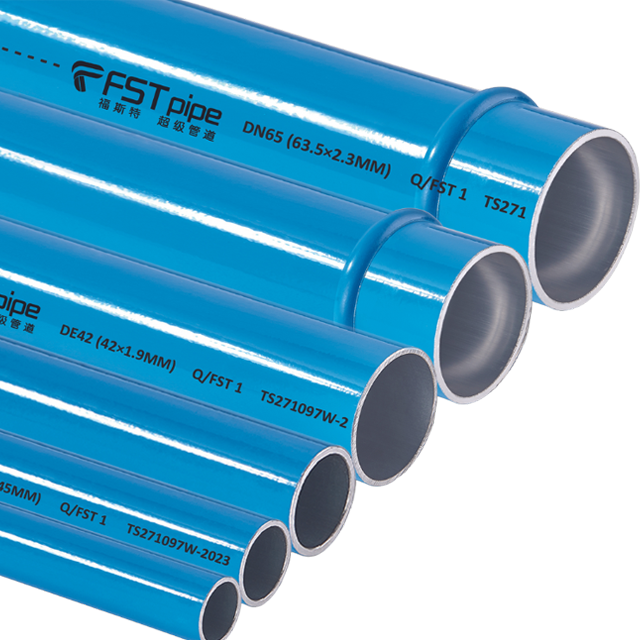
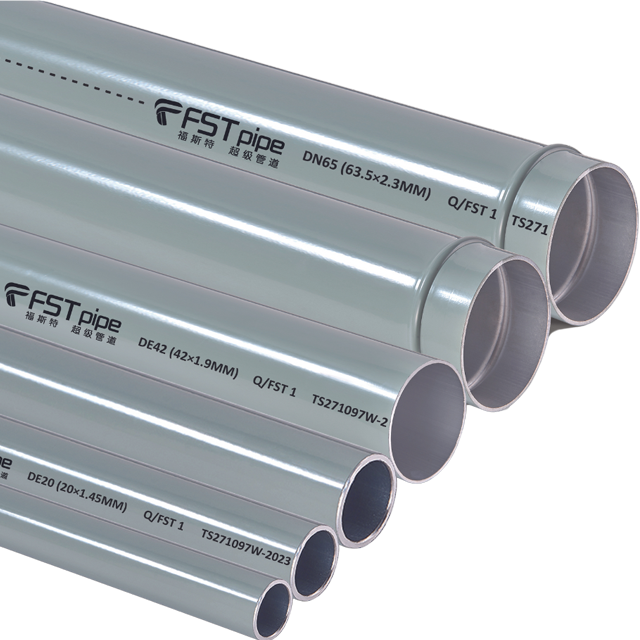
Pros: Aluminum delivers zero internal corrosion. It features a consistently smooth bore that practically eliminates pipe-induced pressure drops. It is incredibly lightweight and easy to maneuver at heights.
Cons: It carries a higher initial material sticker price compared to raw black iron.
Verdict: Aluminum is the modern industrial standard. The initial aluminum air piping cost is rapidly offset by immediate energy savings and drastically reduced installation friction.
Risk Factor: Using standard PVC for compressed gas explicitly violates OSHA hazards. Over time, compressed air degrades plastic. PVC becomes brittle and poses a lethal shrapnel risk if it ruptures under pressure. It is an immediate disqualification for industrial use. Never use PVC for compressed air.
Material prices only tell half the story. The physical act of assembling the system often dictates the final invoice. You must calculate the labor multiplier accurately to understand your true expenses.
Traditional installation methods are painfully slow. Threading black iron requires expensive, heavy threading machines. Workers must cut the pipe, oil the threads, wipe them down, and hoist heavy steel sections into the rafters. Brazing copper demands certified tradesmen, open-flame permits, and meticulous joint preparation. These specialized requirements significantly inflate your hourly labor rates.
Modern engineering solves this labor crisis. Mechanically clamped or push-to-connect aluminum systems change the math entirely. These modular fittings click together securely with basic hand tools. You do not need threading machines or welding torches. As a result, modular solutions can reduce your air pipe installation cost by up to 50% in total labor hours. The pipes are light enough for a single worker to handle safely on a scissor lift.
Your building architecture directly impacts both labor time and material volume. Every elevation change requires extra fittings. Complex routing around existing HVAC ducts or structural beams adds elbows and tees. Each directional change slows down the installation crew. Smooth, straight runs keep costs low. We always recommend evaluating your overhead layout before ordering parts to minimize unnecessary joints.
Installing a new system often requires shutting down active production zones. You must factor in the cost of halted production. Faster installations translate directly to lower operational disruption. An aluminum system that takes two days to install saves your factory three days of lost revenue compared to a five-day steel installation.
Beyond initial installation and daily energy use, secondary factors quietly drain your finances. Recognizing these hidden variables protects your bottom line.
Facilities evolve. You will eventually need to add new pneumatic drops for new machinery. Traditional threaded systems make expansions miserable. You must shut down the air supply, drain the pressure, cut the steel pipe, and thread new ends in place. It is a messy, time-consuming process. Conversely, modular aluminum systems allow for simple disconnections. Many modular solutions even support live-tapping tools. This allows you to add a drop line in minutes, drastically lowering future expansion costs.
A poorly sealed system leaks money 24 hours a day. Degrading threaded joints in older black iron systems commonly leak 20-30% of the compressor's total output. The compressor cycles on more frequently just to feed the leaks. This wasted electricity easily runs into thousands of dollars annually. Investing in premium seal technology and modular clamped joints eliminates this silent financial drain.
When inner pipe walls rust, that debris travels straight toward your tools. To protect expensive pneumatic equipment, facility managers install heavy point-of-use filtration. Corroding pipes require aggressive, frequent filter changes. These heavy filters create further pressure drops, compounding your energy penalty. By choosing non-corrosive pipes, you protect your compressed air system budget from endless consumable filter replacements.
Procuring the right system requires more than just browsing a catalog. You are choosing infrastructure that must last decades. You need to differentiate between a simple parts distributor and a true systems engineering partner.
A credible compressed air pipe supplier should offer extensive pre-sales engineering. Before quoting a price, they should provide 3D routing assistance. They must run pressure drop calculations based on your specific layout. They should also apply rigorous CFM-to-diameter sizing logic. If a supplier simply asks "what size pipe do you want?" without analyzing your air demand, you should look elsewhere.
Assess their local warehousing capabilities. Industrial projects run on tight schedules. Waiting weeks for proprietary elbows or specialized fittings during a scheduled plant shutdown is a massive hidden cost. Ensure your supplier holds deep inventory locally to accommodate last-minute layout changes or unexpected expansion needs.
Look beyond basic guarantees. Demand robust manufacturer warranties spanning 10 years or more. A valuable warranty covers not just the rigid pipe, but the structural integrity of the fittings, O-rings, and seals under stated pressure ratings. Furthermore, ensure their products comply with all relevant ISO air quality standards and regional safety regulations.
The true financial impact of compressed air piping is calculated at the energy meter, not just at the checkout counter. Initial purchase prices deceive buyers into choosing heavy, corrosive materials that slowly destroy plant efficiency. By understanding the life cycle cost, you can make procurement decisions that protect your long-term operational budget.
Investing in low-friction, non-corrosive materials like aluminum mitigates the long-term sting of excessive energy bills. Combining premium materials with efficient, modular installation methods drastically reduces facility downtime. Smooth pipes keep pressure high, compressors healthy, and labor expenses manageable.
Do not let hidden friction drain your profits. We encourage you to request a comprehensive system audit today. Contact an engineering specialist for a customized pressure-drop calculation or a direct quote based exactly on your facility's unique CFM requirements.
A: Costs vary wildly based on diameter and material. Black iron often runs $3 to $8 per foot for raw material. Aluminum typically costs $6 to $15 per foot upfront. However, raw material prices are deceptive. When you factor in the specialized labor, heavy equipment, and slower installation times required for iron, the final installed cost of aluminum is frequently lower than traditional steel.
A: Aluminum demands a more refined manufacturing process. It features specialized internal coatings for zero friction and requires precision-engineered modular fittings with high-grade seals. While this advanced manufacturing increases the initial sticker price, the premium is immediately balanced by eliminating threading machinery and cutting labor hours in half.
A: Yes. There is a direct mathematical correlation between pipe friction and energy use. By upgrading to a smooth-bore, leak-free material, you eliminate pressure drops. Your compressor reaches the target pressure faster and stays off longer. Reducing compressor run-time translates directly into significant monthly electricity savings.
A: Yes, retrofitting mixed systems is common in expanding plants. However, you must manage transition points carefully. Connecting dissimilar metals (like copper to steel) introduces galvanic corrosion risks, which rapidly degrade the joint. You must use proper dielectric unions or specialized transition fittings to safely isolate the different materials.