Views: 0 Author: Site Editor Publish Time: 2026-09-30 Origin: Site
Undersized or incorrectly rated compressed air piping leads to severe pressure drops. It causes excessive compressor wear and creates catastrophic safety hazards. Poor material choices often result in sudden blowouts and costly production downtime. Selecting the correct compressed air pipe pressure rating is a critical capital expenditure decision. It directly impacts your facility safety and long-term energy efficiency. Facility managers must navigate complex engineering variables to prevent systemic failures.
An optimized system balances maximum working pressure requirements, material durability, and regulatory compliance. It ensures zero structural failures and minimal frictional pressure loss across the entire distribution network. You will learn how to evaluate materials, apply temperature derating, and select compliant piping for your plant. We will explore safety factors, material limits, and installation realities to help you build a robust system.
System pressure ratings must account for temperature fluctuations; maximum working pressure decreases as ambient or fluid temperatures rise.
A documented air pipe safety factor (typically 3:1 or 4:1) is non-negotiable for separating safe working pressure from actual burst pressure.
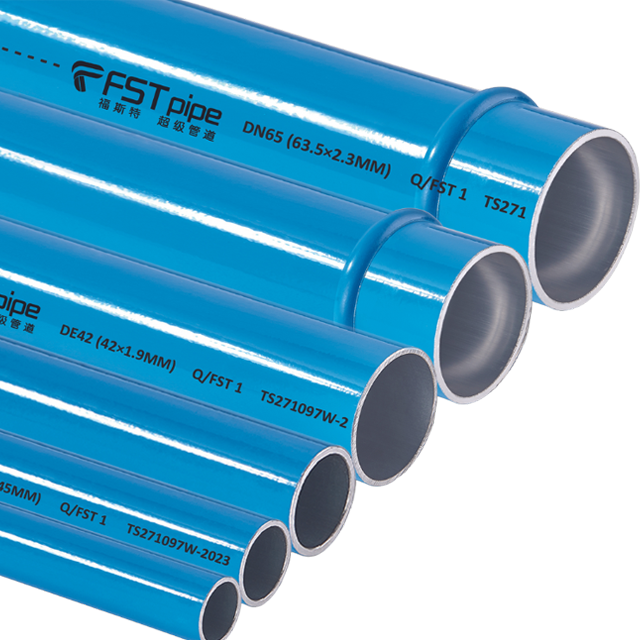
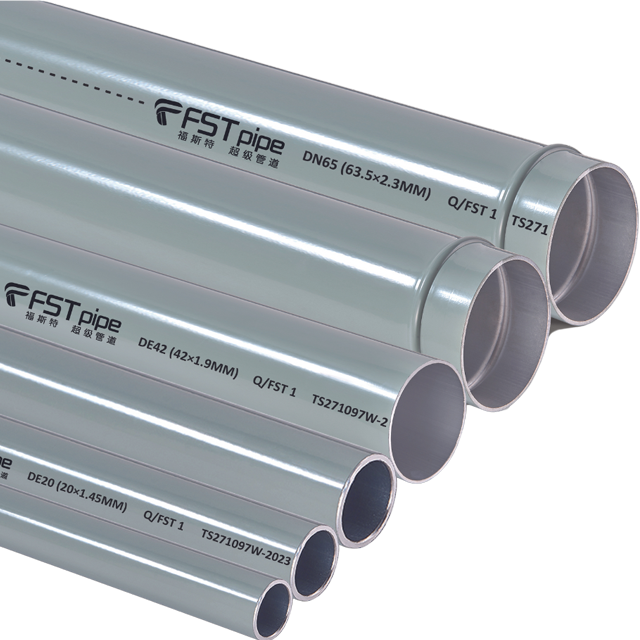
Aluminum piping has become the industry standard for commercial installations due to its consistent internal smoothness, high pressure tolerance, and zero-corrosion profile.
Selecting a compliant compressed air pipe supplier requires vetting their adherence to ASME and OSHA standards, not just upfront material costs.
Understanding pressure metrics prevents disastrous engineering mistakes. Facility operators often confuse the operational thresholds published by manufacturers. We must define the exact terminology to ensure safe plant operations.
Manufacturers publish a Maximum Allowable Working Pressure (MAWP). This number represents the absolute highest pressure the system can handle during normal operations. You should never exceed this limit. Burst pressure represents the exact point of catastrophic failure. The pipe material literally rips apart when internal forces exceed its structural integrity. You must never design a system near the burst pressure limit.
Engineers use a buffer to protect against sudden pressure spikes. A reliable air pipe safety factor separates the working limit from the failure point. A 4:1 ratio means the burst pressure is four times higher than the MAWP. This buffer absorbs mechanical impacts, sudden valve closures, and unexpected compressor surges. It provides essential structural margin for aging materials.
Heat degrades structural integrity in almost all piping materials. Pressure ratings share an inverse relationship with operating temperatures. A pipe rated for 232 PSI at 68°F cannot handle 232 PSI at 140°F. As temperatures rise, the material softens or expands. You must apply a temperature derating multiplier to calculate the true safe working pressure. Compressor rooms generate immense heat. Operators must calculate derating factors carefully in these hot zones.
Material selection dictates your baseline pressure capabilities. Different materials react uniquely under continuous gas compression. We must evaluate traditional metals against modern engineered solutions.
Extruded aluminum currently dominates the industrial landscape. It offers exceptional strength-to-weight ratios. You will typically see an aluminum pipe working pressure rated around 232 PSI (16 bar). Aluminum never rusts or scales internally. The smooth interior walls prevent frictional pressure drops. This maintains consistent fluid velocity over decades of use. Aluminum systems remain the benchmark for clean, high-pressure air delivery.
Heavy-wall steel pipes offer massive inherent pressure ratings. They can withstand extreme external abuse in rugged environments. However, steel poses significant operational risks. Moisture in the compressed air causes internal rusting. Galvanized coatings eventually flake off under cyclic loading. This corrosion creates rough internal surfaces. Scale buildup restricts flow and artificially reduces your available pressure at the end-use point.
You must never use PVC for compressed gas. Liquid pressure ratings do not apply to compressible gases. Water does not compress. If a water pipe breaks, it simply leaks. Air compresses heavily. If a PVC pipe fails under air pressure, the stored energy releases instantly. The plastic shatters into deadly shrapnel. OSHA strictly bans standard PVC for compressed air applications due to these explosion risks.
Copper delivers clean air and handles high pressures easily. Many medical facilities rely on copper lines. However, copper presents massive installation hurdles. The raw material costs fluctuate wildly. Brazing requires hot work permits, specialized labor, and extensive downtime. Copper joints often fail if the brazing process introduces weak points.
Material Type | Typical Pressure Rating (Standard) | Corrosion Resistance | Failure Mode under Gas Pressure |
|---|---|---|---|
Extruded Aluminum | 232 PSI / 16 Bar | Excellent (Zero scaling) | Controlled yielding |
Black Iron | 300+ PSI | Poor (Severe rusting) | Thread leaks, structural thinning |
PVC Plastic | Not Rated for Gas | Excellent | Catastrophic shrapnel explosion |
Copper (Type L) | 250+ PSI | Excellent | Solder joint separation |
Regulatory frameworks protect plant personnel from dangerous engineering practices. Adhering to recognized compressed air pipe standards mitigates liability and ensures operational longevity. Plant managers must understand these governing codes.
The American Society of Mechanical Engineers (ASME) dictates pressure piping design. ASME B31.1 covers power piping. ASME B31.9 covers building services piping. These codes define minimum wall thicknesses, allowable stress values, and joint testing requirements. Compliant systems guarantee that materials can withstand continuous pressurized cyclic loading. Engineers rely on these calculations to prevent structural fatigue over time.
The Occupational Safety and Health Administration (OSHA) enforces strict workplace safety mandates. OSHA regulations target exposed pressurized lines. They require appropriate pressure relief valves on receiver tanks and distribution hubs. OSHA inspectors routinely issue severe fines for banned materials like PVC. They rely on the General Duty Clause to penalize unsafe piping installations.
ISO 8573-1 governs compressed air purity classes. Pressure ratings and purity ratings intersect directly. Material degradation affects both simultaneously. When iron pipes rust, they lose wall thickness. This lowers the actual burst pressure. Simultaneously, the rust particles contaminate the air stream, violating ISO purity classes. Choosing non-corrosive materials satisfies both pressure safety and air quality standards.
Facility engineers carry immense responsibility. A ruptured overhead pipe can cause severe injuries or fatalities. Strict adherence to published standards serves as a vital liability shield. When you build systems according to ASME and OSHA guidelines, you demonstrate due diligence. Documented compliance protects the company during safety audits and insurance evaluations.
High-volume manufacturing requires precise fluid dynamics engineering. You cannot guess pipe diameters based on visual aesthetics. Proper sizing ensures the compressed air reaches the tooling at the correct pressure.
Certain industries demand elevated pressure thresholds beyond standard shop air. PET blow molding, laser cutting, and heavy manufacturing rely on massive force. These applications often necessitate a robust 13 bar air pipe (approximately 188 PSI) or even higher configurations. Standard 100 PSI systems will stall production equipment in these environments. You must match the material specification to the peak pressure demand.
Pipe diameter intersects directly with velocity and friction. We must follow specific sizing protocols:
Determine maximum CFM: Calculate the total cubic feet per minute required by all simultaneous tools.
Calculate air velocity: Force large volumes through small pipes, and velocity skyrockets. High velocity creates massive internal wall friction.
Upsize the main header: Friction causes artificial pressure drops. You lose workable PSI before the air even reaches the tool. Increasing the pipe diameter lowers velocity and preserves the static pressure rating.
A system is only as strong as its weakest component. Your aluminum pipe might boast a 232 PSI rating. However, if you install a cheap isolation valve rated for 125 PSI, the entire system rating drops to 125 PSI. You must audit every fitting, flexible drop, and quick-disconnect coupler. Ensure complete compatibility across the entire pneumatic network.
Excellent materials fail under poor installation practices. Mechanics must assemble the piping network correctly to preserve the manufacturer pressure ratings. We frequently observe specific failure points in the field.
Installation methods dictate joint strength. Threaded joints in steel pipe remove wall thickness, creating inherent weak points. Push-to-connect fittings require perfectly deburred pipe ends. If mechanics leave sharp edges, they slice the internal O-rings. This causes immediate high-pressure leaks. Compression fittings provide excellent bite, but they require precise torque. Over-tightening crushes the pipe. Continuous cyclic loading tests every single connection point daily.
Air compressors generate intense vibrations. These harmonics travel down the distribution network. Improper anchoring leads to severe metal fatigue. If you space hangers too far apart, the pipe sags and vibrates violently. This continuous movement weakens the joints over time. It compromises the initial pressure rating and eventually causes fractures. You must follow the manufacturer guidelines for maximum hanger spacing.
Temperature changes cause linear expansion and contraction in long pipe runs. A 300-foot aluminum run will physically lengthen as the ambient facility temperature rises. If you hard-mount the pipe at both ends, the expansion forces will warp the metal or blow out the fittings. You must install engineered expansion loops or specialized expansion joints. These components absorb the linear movement and prevent dangerous structural stress.
Your procurement decision extends beyond raw materials. You need a technical partner who understands fluid dynamics. Selecting the right compressed air pipe supplier guarantees a safe, optimized installation.
A qualified supplier provides extensive technical documentation. They do not just sell boxes of fittings. They offer exact pressure drop calculations based on your specific layout. They provide clear sizing charts and comprehensive temperature-derating tables. This engineering support prevents costly undersizing mistakes. You should demand a review of your schematic by their application engineers before purchasing.
Evaluate the manufacturer warranty carefully. Read the fine print regarding pressure failures and material defects. Does the warranty cover catastrophic joint blowouts? Does it specify limits on cyclic loading? Aluminum systems generally offer decades of zero-maintenance longevity. Ensure the supplier backs their structural claims with a robust, multi-year guarantee. A strong warranty reflects strict quality control during the manufacturing process.
Designing a safe, high-performance pneumatic network requires strict attention to detail. You must determine your maximum CFM and PSI needs accurately. Apply the correct temperature derating multipliers to find your true working pressure limits. Maintain a strict 4:1 safety factor to prevent blowouts. Always select materials validated by ASME and OSHA standards, avoiding dangerous plastics entirely.
Your next step involves action on the plant floor. Audit your current system for noticeable pressure drops or leaking joints. Consult with a qualified application engineer to calculate precise pipe sizing for any upcoming expansions. Upgrading your infrastructure today ensures operator safety and stable production for years to come.
A: Reputable manufacturers design systems using a 3:1 or 4:1 safety factor. This ratio separates the maximum allowable working pressure from the actual burst pressure. It provides a critical structural buffer against unexpected compressor surges and mechanical impacts.
A: No. Pipe diameter affects flow volume (CFM) and air velocity. The actual static pressure rating is dictated purely by the material composition and the wall thickness. However, a small diameter creates friction, which causes operational pressure drops.
A: Compressors generate massive amounts of ambient heat during operation. High temperatures soften materials and weaken structural integrity. You must apply thermal derating calculations in hot environments, which naturally lowers the safe working pressure limits.
A: Absolutely not. You must never use standard PVC or thin-wall water pipes for compressed gases. Air stores massive kinetic energy when compressed. If the pipe fails, it creates a dangerous explosion. This violates strict OSHA safety mandates.