Views: 0 Author: Site Editor Publish Time: 2026-08-12 Origin: Site
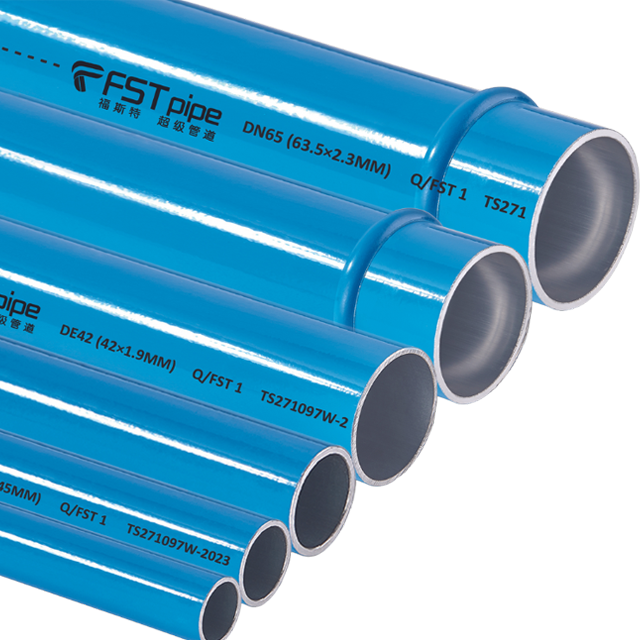
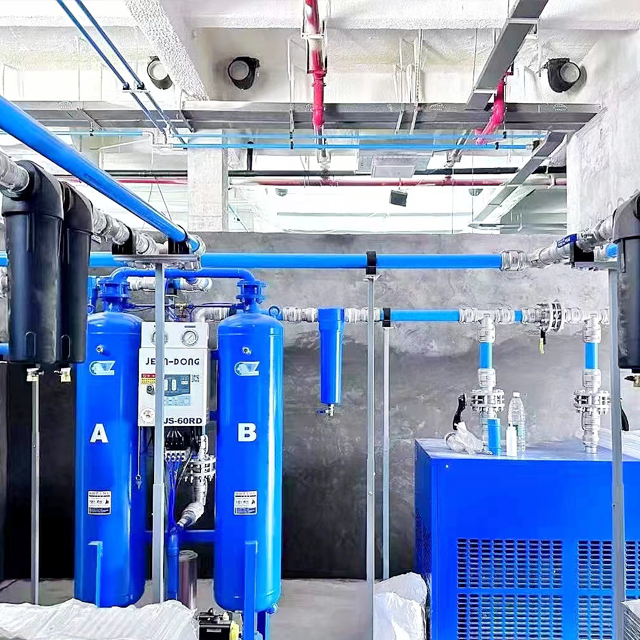
Compressed air leaks are not merely a minor maintenance annoyance. They represent a measurable, silent drain on operational profitability and compressor lifespan. Many facilities struggle with escalating energy bills. They often overlook the hissing pipes directly above their production floors. You might assume modern materials solve this problem entirely. While a premium Aluminum Air Piping System naturally resists the rust and corrosion plaguing traditional steel, it remains vulnerable. Improper installation, heavy machine vibration, or poorly matched components can still create severe leak points over time.
We want to help you plug these hidden gaps. This comprehensive guide provides facility managers and operational leaders with a clear, evidence-based roadmap. You will learn exactly how to detect, repair, and permanently reduce leak vulnerabilities across your pneumatic infrastructure. We will show you practical steps to optimize connections and safeguard your equipment.
Profit Impact: Unchecked leaks can account for 20-30% of a compressor's output, driving up energy costs and accelerating equipment wear.
Installation Integrity: Most leaks in an aluminum air piping system stem from the joints; utilizing engineered components like a proper reducing connector minimizes leak paths compared to makeshift fittings.
Systematic Detection: Relying on human hearing is insufficient; implementing ultrasonic detection and pressure-drop testing guarantees accurate vulnerability mapping.
Future-Proofing: Standardizing connection protocols and eliminating flexible hoses during system expansions ensures long-term, leak-free scalability.
Air leaks waste money directly and consistently. Every escaping cubic foot per minute (CFM) forces your compressor to consume more electricity. We can calculate this financial drain directly. You multiply the CFM loss by your system operating hours. Then, you multiply that figure by your local energy rate. The resulting number routinely shocks plant managers. A single unnoticed hole can waste thousands of dollars annually.
Leaks also create massive hidden costs. They generate artificial demand across your network. Leaks trick pressure sensors into reading lower system levels. Your compressor must then run longer, heavier cycles to compensate for this pressure drop. This constant, artificial strain accelerates mechanical wear. Bearings overheat. Motors degrade. Eventually, this dynamic forces premature capital expenditure on expensive compressor replacements. You pay twice: once for the wasted electricity, and again for ruined machinery.
What does a healthy pneumatic network look like? You need clear success criteria. You must measure your total system leakage volume against your total compressor capacity. Industry experts define a highly efficient system as one keeping total leakage strictly below five to ten percent. Hitting this target protects your profit margins. It also ensures consistent pressure reaches your critical downstream tools.
Even high-quality materials fail if operators assemble them incorrectly. Improper joint assembly ranks as the most frequent implementation risk. Installers sometimes rush and forget to deburr cut pipes. Sharp aluminum edges easily score the internal O-rings during insertion. Other times, technicians apply incorrect torque to fittings. Over-tightening crushes the rubber seals. Under-tightening allows pressure to push the pipe loose. Both errors create immediate vulnerabilities.
Flexible hoses introduce another massive system weakness. The manufacturing industry often uses rubber or PVC hoses for final machine drops. These flexible materials degrade much faster than rigid aluminum. Temperature shifts and daily UV exposure turn rubber brittle. Oil carryover from the compressor eats away at PVC linings. Utilizing flexible hoses for drops creates highly susceptible leak points across your factory floor.
We must also account for thermal expansion and mechanical vibration. Facilities experience significant temperature fluctuations. Rigid pipes expand and contract naturally as temperatures change. Without proper mounting brackets and expansion loops, this movement stresses connections heavily. Furthermore, heavy machinery vibrates intensely. Constant vibration rattles rigid joints loose over time if you do not isolate the energy properly.
Finally, component mismatches compromise network integrity. Some buyers attempt to save money by using incompatible third-party fittings. Others stack multiple threaded bushings to step down pipe sizes. These makeshift adaptations create extra joints unnecessarily. Every added joint increases your statistical risk of a failure. You should always use a purpose-built Reducing Connector instead to minimize connection paths.
Skipping the deburring process after cutting aluminum lines.
Using channel locks instead of proper torque wrenches on fittings.
Securing rigid pipes too tightly to walls, preventing natural thermal expansion.
Finding leaks requires a systematic, disciplined approach. You cannot rely solely on human hearing. Normal background machinery noise easily masks the faint hiss of escaping air. You need objective data.
Start with a baseline pressure-drop test. You should run this test during non-production hours. Shut off all pneumatic equipment on the floor, but leave the main lines fully pressurized. Record the system pressure drop over a specific timeframe, such as thirty minutes. This straightforward methodology quantifies your total leakage volume. It provides a reliable benchmark before you begin repairs.
Next, deploy ultrasonic acoustic detection. This technology serves as the absolute industry standard for precise leak detection. Ultrasonic tools identify the high-frequency sounds generated by escaping compressed air. They easily cut through the loudest, most chaotic manufacturing environments. Maintenance teams can sweep large overhead areas quickly. The device helps pinpoint exact failure points hidden from normal view.
Once you locate a suspected area, switch to targeted soap-water testing. We highly recommend this low-tech, reliable method for final confirmation. You spray a soapy solution over specific joints, isolation valves, or a suspect Reducing Connector. Bubbles will form instantly wherever air escapes. It provides immediate, undeniable visual confirmation of the failure.
Audit frequency dictates long-term success. Do not treat leak detection as a one-time emergency project. Establish a strict schedule for routine leak audits. Regular auditing maintains energy efficiency and ensures facility compliance.
Systematic Leak Audit Checklist
Schedule non-production downtime for baseline testing.
Isolate main headers from sub-loops.
Perform the timed pressure-drop test.
Sweep the facility utilizing an ultrasonic detector.
Apply soapy water to verify exact leak locations.
Tag every verified leak for maintenance tracking.
Repairing leaks effectively requires permanent, engineered solutions. Duct tape and temporary sealants only delay the inevitable failure. You must address the root mechanical cause.
Optimizing your connections provides an immediate system upgrade. Many older setups rely on stacked threaded bushings to transition between pipe diameters. Each thread presents a potential leak path. You can eliminate these vulnerabilities easily. Replace stacked bushings with a single, engineered Reducing Connector. This dedicated fitting transitions pipe sizes cleanly. It drastically reduces the number of potential leak paths at crucial junctions.
Standardizing installation procedures eliminates human error completely. We strongly recommend developing a Standard Operating Procedure (SOP) checklist for your maintenance teams.
Cut: Use dedicated pipe cutters to ensure a perfectly square end.
Deburr: Clean the inside and outside edges meticulously to protect O-rings.
Mark: Draw a visible insertion depth line on the pipe exterior.
Insert: Push the pipe firmly until it reaches the marked depth.
Tighten: Secure the locking nut exactly to the manufacturer's specified torque rating.
Next, focus on replacing vulnerable drops. Aging flexible rubber or PVC hoses fail consistently. Swap these outdated hoses out for rigid aluminum drops. Pair them with high-quality isolation valves. This switch permanently secures the final few feet of your air delivery network. It protects the tools running your production lines.
Vibration isolation proves equally critical. You must stop mechanical shaking from reaching your rigid lines. Install engineered isolation hoses strictly at the compressor discharge point. This specific placement acts as a shock absorber. It prevents machinery vibration from translating upward into the broader rigid Aluminum Air Piping System. Your overhead joints will remain secure and stress-free.
Your facility will likely expand over time. Adding new production equipment requires thoughtful expansion planning. You must evaluate how to tie into existing lines safely. Poorly planned expansions introduce severe pressure drops and new leak risks. Always measure current flow rates before branching off a main header. Use proper tapping tools that do not leave metal shavings inside the pressurized lines.
Staying within a single component ecosystem ensures long-term stability. Emphasize the importance of using one manufacturer for both pipes and fittings. Do not mix and match brands to save a few dollars. Different manufacturers utilize slight micro-variations in their outer diameters (OD). Their proprietary sealing mechanisms rarely align perfectly. Staying with one ecosystem guarantees precise O-ring compatibility. It also ensures strict adherence to factory warranties.
Maintenance teams need structured documentation. Implement a rigorous tagging system for identified leaks. When an auditor finds a leak, they should attach a visible, brightly colored tag to the joint. They must write the date, severity, and exact location on this tag.
Log these tags into a central tracking database immediately. Monitor the time-to-repair metrics for each identified issue. This documentation system holds maintenance teams accountable. It prevents known leaks from lingering unchecked for months. A transparent tracking process turns theoretical maintenance into measurable action.
Preventive Maintenance Schedule Chart
Task Description | Recommended Frequency | Primary Responsible Party |
|---|---|---|
Visual inspection of machine drops | Monthly | Floor Operators |
Soap-water testing on suspect joints | Quarterly | Maintenance Staff |
Full facility ultrasonic leak audit | Bi-Annually | External Auditor / Lead Tech |
Pressure-drop baseline benchmark | Annually | Facility Manager |
An aluminum compressed air network represents a premium industrial investment. It delivers exceptional airflow and resists interior corrosion flawlessly. However, it only yields maximum returns when assembled and maintained with precision. You cannot ignore poor joint assembly or the rapid degradation of flexible hoses. Unchecked leaks quietly drain your profit margins and damage your compressors.
Take immediate action to secure your operational efficiency. We encourage decision-makers to schedule a professional ultrasonic leak audit this quarter. Following the audit, review your current fitting inventory closely. Identify areas where technicians used stacked bushings in the past. Upgrade those vulnerable junctions to a proper engineered reducing connector. Proactive maintenance ensures your system remains a highly efficient asset rather than a silent financial drain.
A: High-quality nitrile or Viton O-rings boast exceptionally long lifespans. Degradation rarely happens from normal air exposure. It usually occurs due to synthetic compressor oil carryover attacking the internal rubber. Alternatively, improper initial insertion can score the O-ring, causing it to fail prematurely.
A: Costs vary based on local energy rates and system pressure. However, a single 1/16-inch hole in a standard 100 PSI system easily costs around one thousand dollars annually. Multiply that by dozens of undiscovered leaks, and the financial waste becomes staggering for any facility.
A: We strongly advise against mixing brands. Manufacturers utilize micro-variations in outer diameters (OD) and employ proprietary sealing mechanisms. Combining different brands compromises long-term leak prevention. Furthermore, mixing different component ecosystems will almost certainly void your manufacturer warranties.