Views: 0 Author: Site Editor Publish Time: 2026-07-17 Origin: Site
Compressed air is often considered the "fourth utility" in modern manufacturing facilities. Despite its vital role, plants routinely waste up to 30% of their compressor energy. This staggering loss often stems directly from poorly designed or degrading distribution networks. Traditional black iron and copper pipes have historically dominated industrial layouts. However, these aging materials actively corrode and scale internally, causing severe pressure drops. Facility managers increasingly specify modern alternatives to mitigate these flow restrictions and reduce lifetime operating expenses.
Transitioning away from legacy metals is not merely a simple material swap. It represents a strategic facility decision. We will explore how modern networks directly extend compressor lifespan, curb daily energy consumption, and eliminate heavy maintenance burdens. Optimizing your piping infrastructure creates immediate operational stability. Let us examine the tangible benefits of making this critical upgrade.
Friction Reduction: The inherently smooth, corrosion-resistant interior of aluminum pipes minimizes airflow turbulence, reducing the workload on air compressors.
Leak Prevention: Modular, threaded-free connections drastically lower the long-term risk of air leaks compared to traditional degrading iron joints.
Lifecycle ROI: Higher initial material costs for aluminum are typically offset within 12–24 months by reduced labor during installation and sustained energy savings.
Implementation Speed: Lightweight materials and "hot-work-free" push-to-connect fittings minimize production downtime during system rollouts.
Air compressors naturally generate moisture during their daily operation. This unavoidable condensate eventually enters the main distribution network. Traditional black iron reacts aggressively to this internal moisture. The pipe walls oxidize rapidly. They build up thick layers of rust and scale over time. This continuous degradation curve creates significant operational bottlenecks. The inner diameter shrinks steadily. This restriction forces the compressor to work much harder.
Internal rust creates a highly rough surface. This severe roughness introduces a massive turbulence penalty. Airflow loses its velocity as it grinds against the abrasive pipe walls. Operators usually notice a drop in pressure at the end of the line. They typically respond by artificially increasing the compressor discharge pressure. They crank up the dial just to compensate for downstream losses. This reactive habit creates severe mechanical stress on the equipment.
You must understand the 1% Rule to grasp the financial impact. Every 2 PSI of excess pressure required to overcome pipe friction increases energy consumption by approximately 1%. Boosting a system from 100 PSI to 110 PSI wastes roughly 5% of your total compressor energy. This hidden penalty drains facility budgets constantly. You need a better engineering standard to arrest this degradation cycle entirely. Upgrading to a premium Aluminum Pipe for Compressed Air provides the ultimate solution. It halts internal corrosion and stabilizes your energy demands permanently.
Fluid dynamics play a massive role in factory efficiency. Aluminum boasts an internally calibrated, highly smooth bore. It promotes laminar airflow consistently from the compressor room to the final drop. Laminar flow means the air travels in straight, parallel lines. It avoids chaotic, swirling turbulence. Unlike iron, aluminum retains this flawless smoothness throughout its entire lifespan. The compressor pushes air effortlessly. You capture every ounce of generated power.
Industrial facilities also demand a zero-corrosion guarantee. Aluminum never rusts. The internal diameter remains completely unrestricted forever. This material stability prevents the shedding of abrasive particulates. Flaking metal often ruins downstream pneumatic tools. It clogs expensive point-of-use filters prematurely. Clean pipes keep your valuable production equipment safe. They reduce the constant need for emergency tool replacements.
We must also consider essential thermal advantages. Aluminum possesses excellent conductive properties. It actively aids in the ambient cooling of compressed air as it travels. Cooler air condenses secondary moisture effectively. This moisture drops out into strategically placed drain valves. The water exits the network safely before reaching sensitive pneumatic machinery. Plastics and iron trap heat inside the line. Aluminum naturally acts as an extension of your aftercooler.
Air Piping Material Dynamics Chart
Material Type | Internal Surface Roughness | Corrosion Resistance | Airflow Turbulence Risk |
|---|---|---|---|
Aluminum | Extremely Smooth | High (Zero Rust) | Low |
Black Iron | Rough / Degrading | Low (Prone to Scale) | High |
Copper | Smooth | Moderate (Oxidizes over time) | Moderate |
Modern facility managers evaluate investments based on clear commercial logic. Aluminum components undeniably cost more upfront than black iron equivalents. We must acknowledge this initial material premium frankly. However, the installation labor shifts dramatically in your favor. Installation time drops by 40 to 50 percent. Workers completely avoid heavy pipe threaders. They skip time-consuming welding procedures. You pay for better materials but save thousands on contractor hourly rates.
Reduced pressure drops provide highly formulaic financial benefits. A steady 2-3 PSI reduction across a 100 HP compressor is substantial. It yields verifiable annual kilowatt-hour savings. You pay significantly less on utility bills every single month. These continuous energy savings compound rapidly. Most industrial plants recover their initial material premium within 12 to 24 months. The system generates pure profit after hitting that breakeven point.
Maintenance overhead also plummets. Maintenance teams spend less time troubleshooting mysterious pressure drops. They eliminate the need for exterior pipe painting. They no longer perform complex rust-flushing procedures during annual shutdowns. Frequent filter replacements caused by heavy pipe scale become entirely obsolete. These combined labor and parts reductions make an Aluminum Air Piping System a highly lucrative long-term asset.
Experienced contractors appreciate straightforward installation logistics. Modifying these modular networks is remarkably easy. Expanding facilities can adapt them quickly as production lines shift. Installers avoid heavy lifting equipment completely. They never need hot work permits on the factory floor. This keeps your surrounding production active during the upgrade.
A standard installation generally follows these steps:
Measure and cut the lightweight pipes using a specialized cutter.
Deburr the inner and outer edges to protect the fitting seals.
Mark the exact insertion depth on the outer wall.
Push the pipe into the modular fitting until it reaches the depth mark.
Tighten the connection lock to secure the internal grip ring.
Skeptics often point out potential rollout risks. Proper preparation is absolutely non-negotiable. Installers must deburr aluminum cuts flawlessly. Failure to do so shreds O-rings inside the push-to-connect fittings. This sheer negligence causes immediate, costly air leaks upon system startup. Proper training prevents this common mistake easily.
Thermal expansion presents another practical challenge. Metal expands and contracts alongside ambient temperature changes. Long, straight overhead runs require carefully planned expansion loops. Installers must use sliding brackets instead of rigid clamps. These brackets allow the network to flex safely. They prevent the pipes from buckling under extreme thermal stress.
Chemical compatibility demands careful verification. Aluminum resists most threats exceptionally well. However, specific synthetic compressor oils vary in chemical composition. Harsh ambient chemicals in the factory air can degrade standard seals. You must verify O-ring material compatibility beforehand. Nitrile and Viton perform differently under chemical exposure. Consulting the manufacturer ensures you select the correct seal for your specific compressor lubricant.
Determining the right time to upgrade requires a clear decision framework. Not every facility needs an immediate overhaul. You must weigh your operational demands against your budget. Certain environments benefit exponentially from modern materials.
Choose lightweight modern systems under these specific conditions:
New Builds: Install them directly during initial construction to lock in maximum energy efficiency from day one.
Facility Expansions: Use them to tap into existing headers quickly without welding or threading heavy metals.
Purity-Sensitive Environments: Food packaging, pharmaceuticals, and electronics manufacturing absolutely demand clean, rust-free air.
High-Energy-Cost Regions: Facilities facing severe utility rates recover their upfront investment incredibly fast.
Traditional heavy metals might stay relevant in rare edge cases. Extremely high-temperature environments sometimes exceed standard synthetic O-ring limits. Highly abrasive external environments pose physical impact threats. Heavy wall thickness remains a structural requirement for these specific, extreme industrial hazards. Iron still serves a purpose in those highly volatile zones.
Your most actionable next step is simple. Conduct a baseline compressed air energy audit first. Measure the current pressure drop precisely. Check values from the main compressor room down to the farthest production header. Quantify your exact energy loss. Do this before requesting any supplier quotes. Hard data secures budget approvals much faster.
Properly engineered aluminum pipe systems effectively transition compressed air networks from depreciating liabilities into stable, energy-efficient assets. They arrest the hidden degradation curve that quietly drains industrial budgets. You immediately benefit from sustained laminar flow and zero internal corrosion.
True operational efficiency requires looking far beyond the compressor itself. Optimizing the entire delivery system yields vastly superior performance. You protect your downstream pneumatic tools while drastically lowering your monthly utility bills.
Take proactive control of your energy expenditures today. Encourage your maintenance teams to consult with a dedicated compressed air piping specialist. Map out a custom pressure-drop analysis for your floor. Design a modernized network tailored specifically to your long-term facility goals.
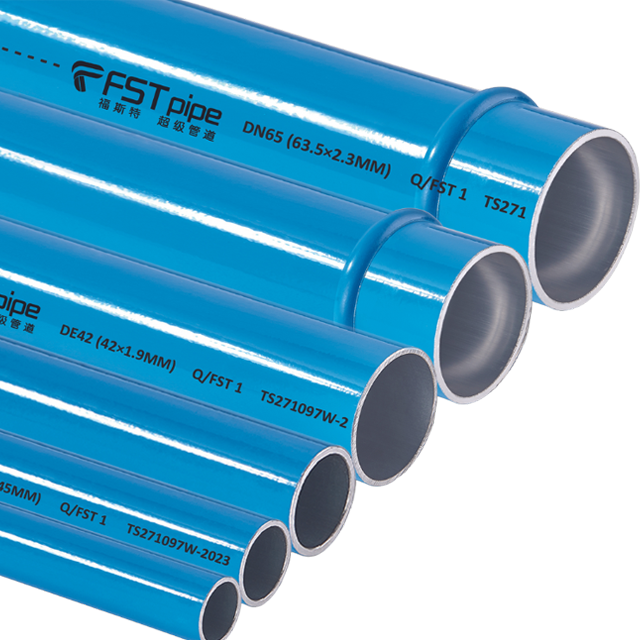
A: Yes. High-quality aluminum networks meet stringent ASME safety standards for burst pressure ratings. They also comply with strict OSHA color-coding guidelines. Facilities typically use OSHA blue to clearly designate compressed air lines. This standardized visual cue ensures workplace safety and allows for rapid identification across busy industrial floors.
A: Absolutely. You can easily expand legacy systems using modular transition fittings. Installers must use dielectric unions when connecting dissimilar metals. This critical step prevents galvanic corrosion between the new aluminum and the existing iron or copper. Your upgraded sections will integrate seamlessly without degrading the older materials.
A: A properly installed aluminum network easily lasts 10 to 20 years or more. You must ensure proper deburring and routine O-ring maintenance during the initial installation. This functional lifespan significantly outpaces traditional black iron, which begins losing flow efficiency to internal rust within its first few years of operation.