Views: 0 Author: Site Editor Publish Time: 2026-07-22 Origin: Site
Compressed air serves as the absolute lifeblood of modern manufacturing. Yet, it consistently remains one of the most expensive utilities you will ever manage. Hidden pressure drops force your compressors to overwork constantly just to meet baseline demands. This unchecked overcompensation quietly compounds your monthly energy costs. Legacy networks often create a severe pinch in factory efficiency. Aging steel pipes develop internal rust rapidly, while poorly sized networks create massive flow bottlenecks. These restrictions ultimately compromise the performance of your vital pneumatic tools. Fortunately, modern infrastructure offers a powerful way out. Upgrading to aluminum pipe systems represents a strategic facility investment rather than just a simple repair. They stabilize flow dynamics and significantly lower energy consumption across the entire plant. Read on to discover how this specific material upgrade delivers measurable returns for your factory floor.
Friction Reduction: The inherently smooth internal surface of aluminum minimizes flow resistance, directly reducing baseline pressure drop.
Zero-Degradation Performance: Unlike steel or iron, aluminum prevents rust and scaling, ensuring the internal pipe diameter remains constant and flow rates stay optimized over decades.
Energy Efficiency & ROI: Lowering pressure drop by even 1 bar (14.5 psi) can yield an average of 7% in energy savings, accelerating payback periods.
Deployment Advantage: Lightweight, modular configurations eliminate threading and welding, minimizing factory downtime during retrofits.
Pressure drop acts as a silent financial leak in any industrial facility. You lose measurable money every time traveling air encounters internal resistance. Physics dictates this inevitable energy loss through three main culprits. First, friction occurs naturally between the moving compressed air and the interior wall of the piping. Second, sharp elbows, reducers, and heavy valves create severe turbulence. Finally, micro-leaks compound these dynamic flow losses exponentially over time.
Let us closely examine the scaling effect inside legacy setups. Traditional carbon steel pipes oxidize continuously. Compressed air systems always generate trace amounts of moisture. This moisture reacts aggressively inside unprotected steel networks. Rust forms along the entire interior surface within just a few years. The once-smooth pipe becomes highly porous and rough. This jagged surface creates massive air turbulence. Furthermore, accumulated rust literally chokes the effective inner diameter. A two-inch steel line slowly chokes down, acting like a much smaller pipe.
This ongoing degradation forces massive compressor overcompensation. Your automated pneumatic tools require specific pressures to function correctly. When pressure drops significantly at the point of use, operators react predictably. They walk back to the compressor room and turn up the discharge pressure. This single reaction drives up electrical loads drastically. It also accelerates heat generation and mechanical equipment wear. You end up paying a premium electrical rate just to push air through bad plumbing.
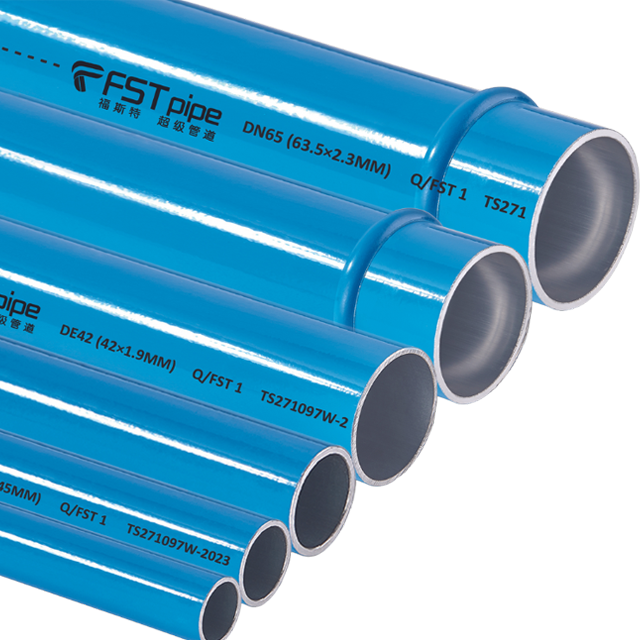
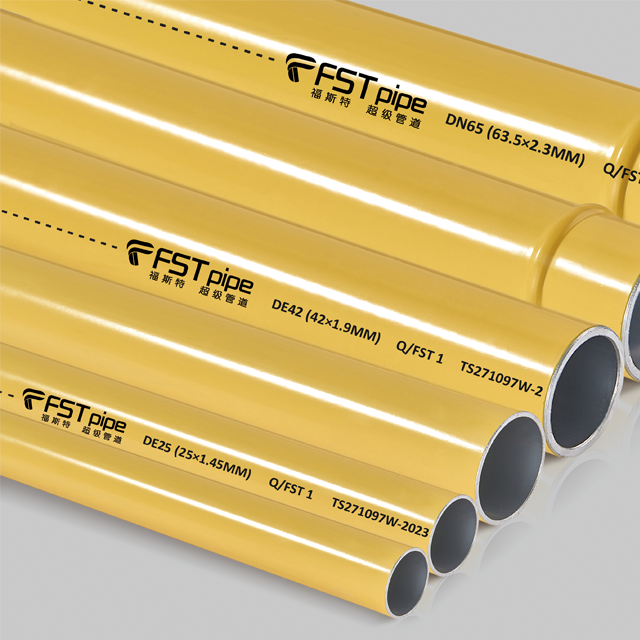
Modern Aluminum Compressed Air Piping fundamentally alters factory fluid dynamics for the better. The secret lies entirely in the superior surface finish. Extruded 6063 Aluminum Pipe boasts an exceptionally low internal friction coefficient. The extrusion manufacturing process yields a glass-like interior wall. Contrast this pristine surface against rough, galvanized steel. The difference in airflow efficiency becomes obvious immediately upon installation.
This internal smoothness dictates the crucial difference between laminar and turbulent flow. Smooth walls beautifully promote laminar airflow. Air travels smoothly in straight, parallel layers. It requires far less kinetic energy to push the air forward. Compressors easily move vast volumes from the utility room directly to the factory floor. Rough steel walls, conversely, bounce air molecules chaotically. This turbulence wastes massive amounts of kinetic energy as heat and vibration.
Corrosion resistance acts as your most crucial long-term strategy. Aluminum forms a natural, microscopic oxidation layer instantly upon air exposure. This tough, invisible layer permanently protects the base metal against deeper corrosion. Internal water vapor simply cannot rust the material. A system installed today maintains the exact same flow coefficient fifteen years later. You never have to worry about internal scaling restricting your production flow.
Modern connectors also effectively eliminate pressure-killing leaks. Traditional iron networks require heavily threaded joints. Machine vibrations inevitably shake these threads loose, causing them to leak air. Modern solutions utilize advanced push-to-fit mechanical clamps. These specific fittings feature precision synthetic O-ring seals. They wrap tightly around the pipe exterior while stainless steel grab-rings bite down. This engineered design fundamentally eliminates the persistent thread leaks common in legacy setups.
Choosing the right core material dictates your long-term engineering success. Legacy materials often fall dangerously short of modern industrial demands. We must evaluate them across several strict categories.
Industrial Piping Material Comparison
Material Category | Installation Speed | Corrosion Resistance | Flow Efficiency | Safety Profile |
|---|---|---|---|---|
Black Iron / Galvanized Steel | Highly Labor Intensive | Poor (Rusts easily) | Degrades Constantly | High (Heavy falling hazard) |
Copper Tubing | Slow (Requires Brazing) | Excellent | Consistently High | Moderate (Hot work fire risk) |
PVC Plastic | Fast | Excellent | High | Dangerous (Shatter risk) |
Extruded Aluminum | Extremely Fast | Excellent | Consistently High | Excellent (Cold press) |
Let us compare aluminum against black iron or galvanized steel. Iron and steel suffer tremendous pressure loss over time. Installation requires intense, highly specialized labor. Technicians must manually thread and weld incredibly heavy metal sections. Crucially, steel introduces damaging rust into your delicate pneumatic tools. Aluminum provides absolute zero scaling and delivers consistent pressure indefinitely. It strictly protects your downstream equipment. It easily helps you meet strict ISO 8573-1 air quality standards.
Next, consider aluminum versus copper networks. Copper certainly offers a remarkably smooth interior. However, it remains highly cost-prohibitive for large factory layouts. Thieves frequently target unsecured copper materials on jobsites. Installation also strictly requires brazing and soldering. This necessitates dangerous hot-work permits during factory retrofits, bringing fire hazards. Aluminum provides a rigid, secure structure at a fraction of the cost. It proves highly cost-effective, especially at larger diameters. Furthermore, cold-installation makes the retrofitting process much safer.
Finally, we must critically evaluate aluminum versus PVC. Many older, non-compliant factories unfortunately still utilize PVC plastic. PVC poses extreme physical dangers for compressed air transmission. The plastic inherently becomes brittle over time due to compressor oil degradation and UV exposure. It carries a severe, documented risk of explosive shattering. OSHA aggressively penalizes the use of standard PVC in most industrial pneumatic applications. Aluminum offers a massive burst pressure rating. It remains fully compliant with strict industrial safety codes universally.
Upgrading your plant network requires a clear, undeniable financial justification. You must intimately understand the energy savings formula. Reduced pressure drop leads directly to reduced compressor discharge pressure. This specific reduction guarantees lower kilowatt consumption at the main panel. Industry standards provide a highly reliable baseline for calculations. Every 2 PSI reduction saves roughly 1% in total compressor energy. Over a full continuous operational year, these percentages yield massive financial returns.
Consider these specific evaluation steps when determining your savings:
Baseline Current Usage: Accurately measure the baseline amp draw of your main rotary screw compressors.
Identify Pressure Drops: Record the PSI right at the compressor, then measure it again at the furthest pneumatic tool.
Calculate Energy Waste: Apply the 2 PSI = 1% savings rule against your local annual electricity rate.
Factor in Maintenance: Calculate your historical costs for replacing rust-damaged pneumatic cylinders and valves.
Maintenance and tool life dramatically impact your overall returns. Eliminating inline rust saves thousands of dollars annually. Clean air drastically reduces the inherent failure rate of pneumatic cylinders. Your expensive directional valves and automated actuators last significantly longer. Your maintenance team spends far less time rebuilding stuck solenoids.
Installation cost offsets also heavily tip the financial scales. High-quality aluminum materials carry a higher upfront price tag than bulk steel pipe. However, the final installed cost usually ends up much lower. Facilities regularly achieve a 50-70% reduction in specialized labor hours. Mechanical teams snap modular fittings together rapidly. They avoid spending tedious days threading heavy iron up in the rafters.
You should expect a highly favorable and realistic payback timeline. Typical ROI ranges generally fall between 12 to 24 months based on facility size. Exceptionally fast paybacks depend on high compressor utilization. Large automotive or packaging facilities running three continuous shifts will see massive returns almost immediately.
Replacing an existing factory network requires careful, precise engineering oversight. You must account thoroughly for thermal expansion allowances. Aluminum naturally expands and contracts slightly alongside ambient temperature changes. Factory ceilings often experience massive seasonal temperature swings. You must design proper expansion loops directly into long linear runs. Proper hanger spacing prevents undue mechanical stress on your joints. Over-tightening brackets will restrict natural thermal movement, causing pipes to bow.
You must also follow very strict sizing protocols. Never replace legacy pipes merely size for size. A choked three-inch steel pipe might currently only flow like a two-inch pipe due to heavy rust. Proper sizing must utilize dedicated engineering nomograms. You calculate the exact required diameter based on total maximum flow rate (CFM). You also strictly factor in the total equivalent pipe run length, including elbows. Finally, you set a firm allowable pressure drop target. Proper sizing prevents artificial bottlenecks right from day one.
Integration alongside existing systems demands special attention. Facilities rarely replace an entire massive factory simultaneously. Transitioning from legacy steel headers to new modern drops requires technical care. Direct physical contact between dissimilar metals inherently causes galvanic corrosion. You must use specialized dielectric unions at every single transition point. Alternatively, install brass isolation valves securely between the steel and the modern upgrades. This simple barrier step protects your new investment completely.
Not all pneumatic systems offer the exact same engineering quality. Facility managers must evaluate potential vendor solutions rigorously before issuing purchase orders.
Component modularity stands as your primary evaluation criterion. Assess carefully whether the system allows for live modifications. Factory layouts change frequently as new production lines evolve. You want a system highly capable of easy hot taps. You should be able to drill and add new drops without fully dismantling the main header. The reusability of expensive fittings adds tremendous long-term layout flexibility.
Compliance and safety ratings require careful, independent verification. Ensure the shortlisted system strictly meets ASME B31.1 or B31.3 standards. These directives govern safe pressure piping installations globally. Look specifically for UL registrations or CRN (Canadian Registration Number) documentation. These independent, third-party certifications strictly validate the manufacturer's burst pressure claims. Never compromise on certified safety standards just to save a minor amount of money.
Finally, thoroughly evaluate warranty coverage and engineering support. Reputable manufacturers stand firmly behind their hardware. We recommend highly prioritizing brands offering ten-year warranties on their fittings. Quality vendors also provide robust pre-sale engineering support. They should confidently offer 3D flow analysis before you purchase anything. Some industry leaders even provide free pressure drop auditing. This upfront support guarantees your sizing matches your specific factory demands exactly.
Settling for legacy piping serves as an ongoing operational tax on your factory energy bills. You literally pay extra money every single day just to push air through rusted, inefficient channels. Choosing the right modern infrastructure stops this financial drain immediately while boosting equipment reliability.
Eliminate the Tax: Upgrading permanently stops the hidden energy penalties caused by severe internal pipe friction.
Ensure Predictability: Corrosion-free materials guarantee remarkably stable flow dynamics for decades to come.
Deploy Rapidly: Advanced modular connections keep expensive factory downtime to an absolute minimum during installation.
Protect Equipment: Delivering clean, rust-free air extends the operational lifespan of all downstream pneumatic tools.
Modern materials remain the absolute most pragmatic choice for updating industrial infrastructure. They perfectly marry immediate installation benefits with long-term energy predictability. As a critical next step, prompt your facility managers to conduct a comprehensive air leak audit. Measure the specific pressure drop at the furthest point of use. This baseline data will clearly reveal your current inefficiencies and easily justify the physical upgrade.
A: No. The highly modular nature of these modern systems requires only basic hand tools. You typically need just a simple pipe cutter, a specialized deburring tool, and standard wrenches. This streamlined approach entirely eliminates the need for expensive pipe threaders, heavy lifting gear, or dangerous welding equipment.
A: It performs exceptionally well. Industrial-grade systems utilize specific synthetic O-rings inside their fittings. Manufacturers commonly use NBR or FKM rubber compounds. These advanced materials remain highly resistant to standard compressor lubricants and synthetic oils, preventing leaks completely even in demanding, high-carryover environments.
A: Yes. High-quality systems are engineered specifically for demanding industrial applications. They are typically rated for maximum working pressures up to 232 PSI (16 Bar) or much higher. Assuming proper engineering and bracketing, they function safely and reliably even in extreme ambient temperature ranges.