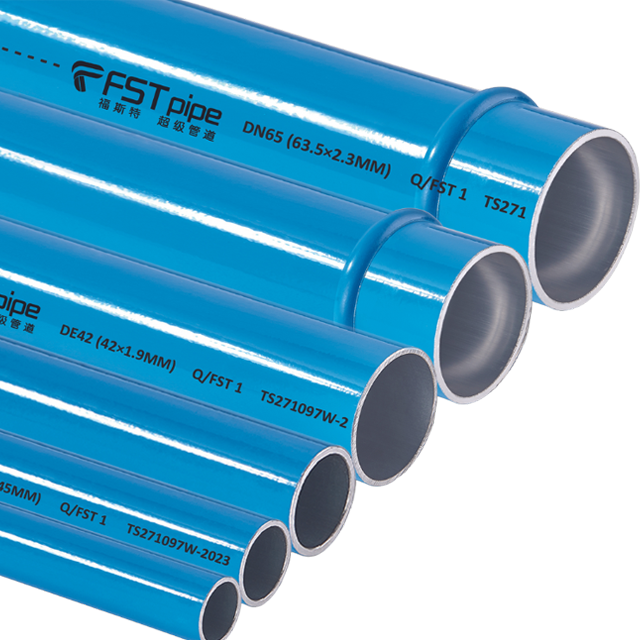
Views: 0 Author: Site Editor Publish Time: 2025-10-17 Origin: Site
Stainless steel piping typically lasts between 50-100+ years when properly installed and maintained. This exceptional longevity significantly outperforms most alternative piping materials, making stainless steel piping systems a premium choice for critical applications requiring durability and reliability. The actual lifespan varies based on several factors including the specific grade of stainless steel, environmental conditions, installation quality, and maintenance practices. In optimal conditions with proper care, industrial-grade stainless steel piping can remain functional for the entire lifetime of most buildings and facilities.
The durability of stainless steel piping represents a significant advantage for facility managers and engineers seeking long-term solutions for fluid transport systems. While the initial investment may be higher than some alternatives, the extended service life and minimal maintenance requirements of stainless steel pipes often result in lower lifetime costs. Understanding the factors that influence stainless steel pipe longevity can help professionals make informed decisions about piping system selection, installation, and maintenance.
Stainless steel piping derives its exceptional durability from its unique metallurgical composition. At its core, stainless steel contains a minimum of 10.5% chromium, which forms a passive chromium oxide layer on the surface when exposed to oxygen. This self-healing protective layer gives stainless steel its signature corrosion resistance and contributes significantly to its extended lifespan.
Different grades of stainless steel offer varying levels of durability and corrosion resistance, making certain types more suitable for specific applications:
Type 304 (Austenitic): The most common grade, containing approximately 18% chromium and 8% nickel. This versatile grade offers excellent corrosion resistance in most environments and typically lasts 50-100 years in normal conditions.
Type 316 (Austenitic): Enhanced with 2-3% molybdenum, this grade provides superior resistance to chlorides and can last 70-100+ years, even in marine environments or chemical processing facilities.
Type 304L/316L: Low-carbon versions of their standard counterparts, these grades prevent carbide precipitation during welding, maintaining corrosion resistance at joints and typically extending service life by 10-15% compared to standard grades.
Type 2205 (Duplex): Combines properties of austenitic and ferritic steels, offering exceptional strength and corrosion resistance for harsh environments with expected lifespans exceeding 100 years in many applications.
Stainless steel piping systems demonstrate remarkable longevity due to several inherent properties:
Corrosion Resistance: The chromium oxide layer prevents rust and degradation, even in humid or chemically challenging environments.
Temperature Resilience: Maintains structural integrity across extreme temperature ranges (-325°F to 1500°F depending on grade).
Mechanical Strength: High tensile strength allows for thinner walls while maintaining pressure ratings, reducing material usage without compromising durability.
Low Friction Coefficient: Smoother interior surfaces reduce friction and pressure drop, minimizing wear and energy consumption over time.
Fire and Heat Resistance: Non-combustible properties make stainless steel piping ideal for high-temperature applications and fire-sensitive environments.
These properties make stainless steel piping particularly valuable in applications requiring sterility, pressure resistance, or exposure to corrosive substances. The FSTPipe stainless steel piping solutions leverage these properties to deliver systems that maintain performance integrity over decades of use in industrial and commercial settings.
While stainless steel piping is renowned for its durability, several factors significantly influence its actual service life. Understanding these variables helps in both selecting the appropriate piping system and maximizing its longevity through proper installation and maintenance.
The environment in which stainless steel piping operates plays a crucial role in determining its lifespan:
Chemical Exposure: Despite general corrosion resistance, certain chemicals can impact stainless steel durability. For instance, chlorine concentrations above 50 ppm can begin to degrade even Type 316 stainless steel over time.
Temperature Fluctuations: Repeated extreme temperature cycling can cause metal fatigue. Systems experiencing frequent thermal cycling may see a 10-20% reduction in expected lifespan compared to those in stable temperature environments.
Humidity Levels: While stainless steel resists corrosion in most humid environments, continuous condensation coupled with contaminants can create conditions for localized corrosion.
UV Exposure: Although UV radiation has minimal direct effect on stainless steel, outdoor installations may experience environmental stressors that can affect supporting components or coatings.
Saline Environments: Marine or coastal installations require specialized grades like 316 or higher to resist salt-induced corrosion, which can reduce the lifespan of standard grades by 30-40%.
The installation process significantly impacts stainless steel pipe longevity:
Proper Joint Selection: The connection method used affects system integrity. FSTPipe's double-camping and full-clamping quick-insertion fittings provide reliable connections without welding or gluing, maintaining the corrosion resistance at joining points.
Prevention of Galvanic Corrosion: Contact between dissimilar metals can cause accelerated corrosion. Proper isolation can extend system life by 20-30% in mixed-metal installations.
Correct Support Spacing: Inadequate pipe supports can lead to sagging, stress concentration, and premature failure. Industry standards recommend supports every 8-10 feet for most stainless steel pipe diameters.
Proper Cleaning After Installation: Removing contaminants like cutting oils, dirt, or iron particles before commissioning prevents initiation sites for corrosion.
While stainless steel piping requires minimal maintenance compared to other materials, certain practices can significantly extend its service life:
Regular Inspection: Periodic visual examinations can identify early signs of issues before they develop into serious problems.
Appropriate Cleaning: Using suitable non-abrasive cleaners prevents damage to the protective passive layer.
Prompt Repair: Addressing minor damage quickly prevents propagation of corrosion or stress points.
Water Quality Management: In water-carrying systems, maintaining appropriate pH and chloride levels extends service life.
| Factors Extending Lifespan | Factors Reducing Lifespan |
|---|---|
| High-quality grade selection appropriate for the application | Exposure to inappropriate chemicals or concentrations |
| Professional installation with proper joining techniques | Improper installation with mixed metals causing galvanic corrosion |
| Regular inspection and maintenance | Physical damage or abrasion disrupting passive layer |
| Stable temperature and environmental conditions | Extreme temperature fluctuations or thermal cycling |
| Proper support and stress management | Excessive vibration or water hammer effects |
| Water treatment and chemistry management | High chloride content or aggressive water chemistry |
| Use of proper cleaning agents | Cleaning with abrasive materials or chloride-containing cleaners |
As noted by FSTPipe, properly installed and maintained stainless steel piping systems can last more than 70 years with minimal maintenance requirements, often spanning the entire service life of the building or facility in which they're installed.
When evaluating piping system options, comparing the expected service life of different materials provides crucial context for making cost-effective decisions. Stainless steel consistently ranks among the longest-lasting piping materials available, though the specific advantages vary by application.
| Piping Material | Average Lifespan | Optimal Applications | Limiting Factors |
|---|---|---|---|
| Stainless Steel | 50-100+ years | Corrosive environments, high-purity needs, high-pressure systems | Higher initial cost, weight considerations |
| Copper | 50-70 years | Potable water, refrigeration, HVAC | Susceptible to erosion and certain water conditions |
| Carbon Steel | 30-50 years | Steam, oil, gas transport | Requires corrosion protection, limited chemical resistance |
| PVC/CPVC | 25-40 years | Chemical transport, irrigation, drainage | Temperature limitations, UV degradation, lower pressure ratings |
| Cross-linked Polyethylene (PEX) | 25-40 years | Residential plumbing, radiant heating | Temperature limitations, UV sensitivity |
| Galvanized Steel | 20-50 years | Water distribution, fire sprinklers | Internal corrosion, scale buildup |
| Cast Iron | 75-100 years | Drain, waste, vent applications | Heavy, brittle, corrosion issues |
| Aluminum | 20-30 years | Compressed air, less corrosive applications | Limited chemical resistance compared to stainless |
While stainless steel piping systems typically require a higher initial investment than many alternatives, the total cost of ownership often favors stainless steel due to several factors:
Reduced Maintenance Costs: As highlighted by FSTPipe, stainless steel piping systems require "almost no need to maintain and update during the service life of the building," resulting in minimal ongoing expenses.
Elimination of Replacement Cycles: Many facilities will undergo multiple replacements of alternative piping materials during the timeframe in which a stainless steel system remains functional.
Operational Benefits: The smooth interior surface of stainless steel pipes reduces friction and energy costs for fluid transport over decades of operation.
Contamination Prevention: In applications where product purity is critical, stainless steel eliminates the risk of contamination that could result in costly product losses or recalls.
Property Value Preservation: In commercial properties, the installation of premium, long-lasting stainless steel piping can positively impact property valuation.
A typical cost analysis shows that while stainless steel might cost 2-3 times more than carbon steel or plastic piping initially, the absence of replacement costs and minimal maintenance requirements often results in break-even points of 15-20 years, after which stainless steel becomes the more economical choice.
For critical applications like pharmaceutical manufacturing, food processing, or semiconductor production, where system failures could result in product contamination or production shutdowns, the reliability of stainless steel piping represents value that transcends simple cost comparisons. FSTPipe's high-quality stainless steel piping systems exemplify this long-term value proposition, combining initial quality with exceptional longevity.
The theoretical lifespan of stainless steel piping is well-supported by its performance in demanding real-world environments. Examining how these systems perform across various industries provides valuable insight into their practical longevity and reliability.
Chemical Processing Facilities
In chemical manufacturing plants, stainless steel piping systems have demonstrated exceptional durability even when transporting corrosive materials. Many facilities using Type 316 stainless steel piping installed in the 1970s report continued reliable operation today, approaching the 50-year mark with minimal issues. FSTPipe's 1.6Mpa stainless steel piping for nitrogen exemplifies the type of high-pressure, chemically-resistant solutions that have proven their longevity in such environments.
Pharmaceutical Manufacturing
The pharmaceutical industry's stringent requirements for cleanliness, sterility, and material stability make it an ideal showcase for stainless steel piping durability. Systems installed during the industry's expansion in the 1980s continue to meet current Good Manufacturing Practice (cGMP) standards decades later, demonstrating both physical durability and regulatory longevity.
Food and Beverage Production
Stainless steel piping in food processing facilities regularly achieves service lives exceeding 50 years while maintaining the hygiene standards necessary for food safety. The material's resistance to bacterial growth, highlighted in FSTPipe's product description as "the most healthy and environmentally friendly material, without bacteria and carcinogens," makes it particularly valuable in this sector.
Marine and Offshore Installations
Perhaps the most challenging environment for piping systems, marine applications expose materials to constant salt spray, humidity, and movement. Type 316 stainless steel piping on vessels and offshore platforms frequently remains in service for 30+ years despite these harsh conditions, whereas alternative materials might require replacement within 5-10 years.
A comparative analysis of piping system performance across different facilities provides insight into how environmental factors affect longevity:
Urban Water Treatment Facility (Northeastern US)
Installed: 1975
Material: Type 316 stainless steel
Environment: Chemical exposure, varying temperatures
Current Status: Over 45 years of continuous service with only minor replacements at pump connections
Projected Additional Service Life: 25+ years
Coastal Chemical Plant (Gulf Coast)
Installed: 1988
Material: Type 316L stainless steel
Environment: Saline air, humid conditions, chemical exposure
Current Status: 35+ years of service with scheduled maintenance but no wholesale replacement
Projected Additional Service Life: 15-30 years depending on process changes
High-Altitude Brewery (Colorado)
Installed: 1995
Material: Type 304 stainless steel
Environment: Food-grade requirements, cleaning chemicals, temperature variations
Current Status: 27+ years with no significant issues, only normal fitting adjustments
Projected Additional Service Life: 30+ years
These real-world examples demonstrate the practical longevity of properly specified and installed stainless steel piping systems across diverse operating environments. The FSTPipe stainless steel piping solutions are designed with similar performance parameters, utilizing "double-camping and full-clamping quick-insertion pipe fittings" that enhance system integrity and contribute to extended service life.
While stainless steel piping naturally offers exceptional longevity, implementing specific strategies during selection, installation, and maintenance can maximize its service life even further. These practices ensure that systems achieve their full potential lifespan of 70+ years as highlighted in FSTPipe's product specifications.
Selecting the appropriate stainless steel grade for specific operating conditions is perhaps the single most important factor in maximizing system lifespan:
Chemical Processing Environments
For most chemical applications: 316/316L with molybdenum content
For highly aggressive chemicals: Consider specialized grades like AL-6XN or 254 SMO
For sulfuric acid applications: Type 304/304L often performs better than 316
Food and Pharmaceutical Applications
For general food processing: Type 304/304L with sanitary fittings
For high-chloride cleaning regimens: Type 316/316L
For direct product contact: Electropolished surfaces to minimize bacterial adhesion
Marine and Coastal Installations
For constant seawater contact: Super austenitic or duplex grades
For splash zone exposure: Type 316/316L minimum
For atmospheric exposure only: Type 304/304L may be sufficient
High-Temperature Applications
For temperatures up to 1500°F: Types 309/310
For temperatures up to 1000°F: Type 304/316
For thermal cycling: Stabilized grades like 321 or 347
Proper installation techniques significantly impact long-term system performance:
Professional System Design and Stress Analysis
Ensure proper expansion accommodation
Minimize stress concentration points
Design appropriate support spacing and anchoring
Connection and Joining Techniques
Use FSTPipe's double-camping and full-clamping quick-insertion fittings for leak-free connections
When welding is necessary, utilize proper purging techniques to prevent oxidation
Maintain clean conditions during installation to prevent contamination
Post-Installation Treatment
Passivate newly installed systems to optimize the protective oxide layer
Perform hydrostatic testing with appropriate water quality
Thoroughly flush systems before use to remove installation debris
Material Compatibility Verification
Ensure all system components (valves, gauges, etc.) are compatible
Implement dielectric fittings where dissimilar metals connect
Verify gasket and seal material compatibility with process fluids
Even with stainless steel's minimal maintenance requirements, these practices help preserve optimal performance:
Inspection Schedule Based on Criticality
Critical process lines: Annual thorough inspection
Standard utility systems: Inspection every 2-3 years
Visual checks: Quarterly for signs of discoloration or leakage
Cleaning and Passivation
Use appropriate non-chloride cleaners
Re-passivate sections after repairs or modifications
Avoid abrasive cleaning methods that damage the passive layer
Water Quality Management
Monitor and control pH levels within recommended ranges
Implement appropriate water treatment in recirculating systems
Maintain chloride levels below critical thresholds for the specific grade
Documentation and System History
Maintain records of inspections and repairs
Document operating conditions for future reference
Establish baseline performance metrics for early problem detection
By implementing these selection, installation, and maintenance strategies, facility managers and engineers can ensure their stainless steel piping systems achieve or exceed the expected 70+ year service life mentioned in FSTPipe's product specifications. The minimal maintenance requirements and exceptional durability translate to significant lifetime cost advantages, making properly optimized stainless steel piping a premium long-term investment.
A1: The life expectancy of a stainless steel pipe typically ranges from 50 to 100+ years when properly specified, installed, and maintained. Standard grades like Type 304 generally last 50-70 years in normal conditions, while premium grades like Type 316 can exceed 100 years in appropriate applications. FSTPipe specifically notes that their stainless steel piping systems have "a service life of more than 70 years" with minimal maintenance requirements. The actual lifespan depends on multiple factors including environmental conditions, the specific grade of stainless steel, installation quality, and operating parameters.
A2: Among all piping materials, properly specified stainless steel and copper pipes generally offer the longest lifespans. High-grade stainless steel piping, particularly Types 316/316L and duplex grades, typically provides the longest service life of all commercial piping materials, often exceeding 100 years in appropriate applications. Cast iron can also last 75-100 years in certain applications, but with more limitations regarding corrosion and brittleness. Copper generally lasts 50-70 years, while most other materials including PVC, carbon steel, and aluminum have considerably shorter expected lifespans, typically in the 20-50 year range depending on conditions.
A3: Despite their exceptional longevity, stainless steel pipes have several disadvantages to consider:
Higher initial cost compared to materials like PVC, carbon steel, or aluminum
Greater weight than plastic or aluminum alternatives, potentially requiring more robust support structures
Susceptibility to stress corrosion cracking in high-chloride environments if improperly specified
Thermal expansion considerations requiring appropriate accommodation in system design
Potential for galvanic corrosion when connected to dissimilar metals without proper isolation
More complex and potentially costly installation requiring specialized tools and techniques
Limited flexibility compared to some plastic piping options
Higher material cost impact when market prices for nickel and chromium fluctuate
These disadvantages are generally outweighed by the long-term benefits in applications where durability, cleanliness, or reliability are paramount concerns.
A4: The lifespan of stainless steel as a material extends well beyond 100 years in many applications. Unlike materials that inherently degrade over time, properly specified stainless steel can maintain its structural and functional properties indefinitely under appropriate conditions. Archaeological examples of early stainless steel artifacts from the early 20th century show minimal degradation after 100+ years. In architectural applications, stainless steel elements installed in the 1920s and 1930s, such as those in the Chrysler Building, remain functional and aesthetically pleasing nearly a century later. For piping systems specifically, FSTPipe notes their stainless steel piping provides "a service life of more than 70 years," often spanning the entire service life of the buildings in which they're installed.
A5: Yes, stainless steel pipes can last 100 years or more under proper conditions. Premium grades such as Type 316/316L and duplex stainless steels have demonstrated this capability in real-world applications with appropriate installation and maintenance. The key factors enabling century-long service include:
Proper grade selection for the specific environment
Quality installation with appropriate joining methods
Minimal exposure to conditions that promote stress corrosion cracking
Absence of galvanic couples with dissimilar metals
Operating within design temperature and pressure parameters
Basic periodic inspection and maintenance
Many historic installations of stainless steel piping from the 1930s-1950s remain in service today, approaching the 100-year mark with continued functionality, particularly in water distribution systems and architectural applications.
A6: Stainless steel piping typically does not require scheduled replacement within the normal lifespan of most facilities. As FSTPipe notes, their stainless steel piping systems require "almost no need to maintain and update during the service life of the building." Rather than following a predetermined replacement schedule, stainless steel piping should be managed through:
Periodic visual inspections (typically every 2-5 years depending on criticality)
Condition-based assessment using non-destructive testing when visual concerns arise
Isolated replacement of components only when specific issues are identified
System updates only when process requirements change, not due to material degradation
Most well-designed stainless steel piping systems will outlast the buildings or processes they serve, making replacement a rare requirement except in cases of facility repurposing or process changes.
A7: While stainless steel piping is exceptionally durable, several mechanisms can lead to premature failure:
Stress Corrosion Cracking: Occurs in high-chloride environments combined with tensile stress and elevated temperatures
Galvanic Corrosion: Results from electrical contact with dissimilar metals without proper isolation
Pitting Corrosion: Localized breakdown of the passive layer, often due to stagnant conditions or deposits
Crevice Corrosion: Occurs in tight spaces where oxygen is depleted, commonly at poorly designed joints
Microbiologically Influenced Corrosion: Caused by bacterial colonization creating corrosive conditions
Improper Grade Selection: Using inadequate stainless steel grades for specific environmental conditions
Mechanical Damage: Physical impacts or abrasion that compromise the protective passive layer
Improper Installation: Poor welding practices, contamination during installation, or improper support
Understanding these failure mechanisms allows for proper system design and maintenance to avoid them, enabling the full 70+ year service life highlighted by FSTPipe for their stainless steel piping systems.
The extraordinary longevity of stainless steel piping systems represents a compelling value proposition for facility managers, engineers, and organizations invested in long-term infrastructure reliability. With properly specified and installed systems routinely achieving 50-100+ years of service life, stainless steel piping offers unmatched durability in the fluid handling industry.
As we've explored throughout this analysis, the impressive lifespan of stainless steel piping derives from multiple factors: inherent material properties, proper specification, quality installation, and minimal but appropriate maintenance. When these elements align, the result is a piping system that can literally outlast the facility it serves, as highlighted by FSTPipe's assertion that their stainless steel piping systems provide "a service life of more than 70 years" with almost no maintenance requirements.
The economics of this extended lifespan become particularly compelling when considering total cost of ownership. While initial investment in stainless steel piping systems typically exceeds that of alternative materials, the virtual elimination of replacement cycles and minimal maintenance requirements results in significantly lower lifetime costs. For critical applications in pharmaceutical, food processing, chemical, and other demanding industries, this reliability translates to reduced downtime, consistent product quality, and enhanced operational safety.
Beyond the practical benefits, stainless steel piping also aligns with contemporary sustainability objectives. The exceptional durability minimizes material consumption over time, while the 100% recyclability of stainless steel at end-of-life supports circular economy principles. The material's inherent cleanliness, noted by FSTPipe as "the most healthy and environmentally friendly material, without bacteria and carcinogens," further enhances its environmental profile.
For applications demanding the highest standards of durability, cleanliness, and long-term reliability, FSTPipe's stainless steel piping systems represent an optimal solution. With features like double-camping and full-clamping quick-insertion fittings that eliminate welding requirements while maintaining system integrity, these systems are engineered specifically for decades of trouble-free service in demanding industrial and commercial applications.
In answering our initial question—how long does stainless steel piping last?—we find that properly specified and installed stainless steel piping doesn't just last for decades; it often defines the upper limits of what's possible in piping system longevity. For organizations focused on long-term value, operational reliability, and sustainable infrastructure development, stainless steel piping remains the gold standard in fluid handling systems.