Views: 0 Author: Site Editor Publish Time: 2026-01-23 Origin: Site
In industrial applications, pressure pipeline systems are integral to transporting fluids such as water, gas, or oil across various facilities. The material selected for these pipelines plays a crucial role in ensuring the system's durability, safety, and efficiency. When choosing materials for pressure pipeline systems, it is essential to consider various factors, including mechanical properties, chemical resistance, cost, and environmental factors. Whether you are building a new pipeline system or upgrading an existing one, making the right material selection can significantly impact the performance and lifespan of your pressure pipeline.
At Guang Dong Foster Fluid Technology Co., Ltd., we understand the complexity of choosing the right materials for pressure pipeline systems, and we are committed to helping you make the best decisions for your project. In this article, we will discuss the key considerations you should keep in mind when selecting materials for pressure pipeline systems. By the end of this article, you will have a clearer understanding of what to look for to ensure the reliability, safety, and efficiency of your pipeline system.
When selecting materials for pressure pipeline systems, the mechanical properties of the material are some of the most critical factors to consider. These properties determine how well the material can withstand the internal pressure from the fluid being transported, as well as any external forces that may be applied to the pipeline. Choosing materials with strong mechanical properties ensures that the pipeline system can operate efficiently, safely, and reliably over its expected lifespan.
Tensile strength refers to the maximum amount of stress a material can endure while being stretched or pulled before it begins to break or fail. For pressure pipelines, the material must have sufficient tensile strength to resist the internal pressure exerted by the fluid being transported. The higher the tensile strength of the material, the better it will be able to withstand the forces applied during high-pressure situations, such as in oil and gas pipelines or chemical transportation systems.
Yield strength is another important factor in choosing materials for pressure pipelines. This is the point at which the material begins to permanently deform under stress. A material with a high yield strength can better withstand high internal pressures and external forces without undergoing permanent deformation.
Fatigue resistance is another essential property of materials used in pressure pipeline systems. Pipelines are often subjected to fluctuating pressures, especially in dynamic environments where pressure levels rise and fall over time. Repeated stress cycles can cause materials to degrade and eventually fail. This is especially problematic in pipelines that carry fluids under high pressure, where even small fluctuations in pressure can lead to material fatigue.
Stainless steel and certain high-performance alloys are well-known for their excellent fatigue resistance, allowing them to perform well in environments where pressure cycles are frequent. The resistance to fatigue extends the operational lifespan of the pipeline system, reducing the risk of cracks, leaks, and failures that could lead to significant downtime and costly repairs. Materials with high fatigue resistance can also better maintain their strength and integrity over time, especially when subjected to harsh or demanding conditions.
When selecting materials for pressure pipeline systems, chemical resistance and corrosion resistance are critical factors, particularly since pipelines are often exposed to aggressive fluids that can be reactive or corrosive. Selecting materials with the right resistance ensures the longevity and safety of the pipeline system, preventing failures such as leaks and deterioration due to environmental or chemical factors.
Corrosion Resistance
Corrosion is a natural process that occurs when metals are exposed to moisture, oxygen, or chemicals. Over time, corrosion can weaken the material, leading to pipe failure. Therefore, it's crucial to select materials with high corrosion resistance to ensure the pipeline's durability.
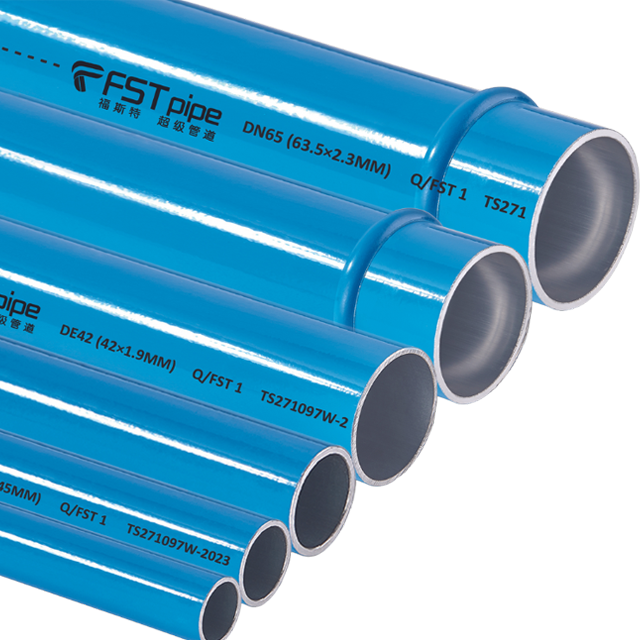
Aluminum: Aluminum alloy piping systems are highly resistant to corrosion, making them an excellent choice for compressed air systems, water systems, and low-pressure environments. The oxide layer naturally forms on aluminum, acting as a protective barrier against corrosion.
Stainless Steel: Stainless steel is renowned for its superior corrosion resistance, especially in high-pressure environments or harsh industrial conditions. 316 stainless steel, for example, offers outstanding protection against chlorides, making it ideal for marine environments and chemical processing applications.
Both materials provide long-term durability, ensuring the integrity of the pipeline system by preventing damage from corrosion.
Chemical Compatibility
When choosing materials for pressure pipelines, it's vital to consider chemical compatibility. Different materials offer varying degrees of resistance to chemicals, such as oils, acids, and alkalies. Incorrect material selection can lead to pipeline failure or leaks, so it’s essential to assess the fluid being transported and select materials that are compatible.
Aluminum: Ideal for systems that transport air or water, aluminum offers good resistance to many non-corrosive chemicals. However, acidic or alkaline substances might affect its performance over time, so it's essential to assess the chemical makeup of the fluid in your specific application.
Stainless Steel: Known for its exceptional chemical resistance, stainless steel is ideal for transporting aggressive fluids, including acids, solvents, gases, and oils. Its versatility and corrosion resistance make it the preferred material for pipelines in chemical processing, food industries, and pharmaceutical applications.
Protective Coatings
While both aluminum and stainless steel are naturally resistant to corrosion, additional protective coatings can further enhance their performance. Epoxy coatings, for example, can be applied to metal pipelines to provide an extra layer of protection from water, chemicals, and moisture. This additional layer helps extend the lifespan of the pipeline, ensuring its long-term performance and reliability.
Factor | Description | Key Benefit |
Corrosion Resistance | Materials like aluminum and stainless steel offer excellent resistance to corrosion in harsh environments. | Ensures pipeline longevity and prevents leakage or failure from corrosion. |
Chemical Compatibility | Aluminum and stainless steel offer varying levels of resistance to different chemicals like oils, acids, and alkalies. | Reduces the risk of failure by selecting materials compatible with the transported substances. |
Protective Coatings | Epoxy coatings can enhance corrosion resistance, especially for metal pipelines exposed to water or chemicals. | Increases lifespan by preventing corrosion and chemical damage. |
While the mechanical properties and chemical resistance of materials are paramount, cost is equally crucial when selecting materials for pressure pipeline systems. Balancing the performance and cost-effectiveness of materials is essential, especially for large-scale industrial applications where budgets are often tight. The material selected must not only meet performance requirements but also ensure long-term financial viability.
The initial cost of materials for pressure pipeline systems includes the purchase price, transportation costs, and installation costs.
Aluminum Air Piping System: Aluminum is generally more affordable upfront than stainless steel. This is due to aluminum’s lighter weight, which makes it easier to transport and install. Aluminum alloy pipes are also cost-effective because they are ideal for air piping systems, providing excellent performance at a lower cost.
Stainless Steel Piping System: While stainless steel tends to have a higher initial cost, it offers excellent performance in high-pressure and harsh environments, making it a valuable long-term investment. Its durability and corrosion resistance justify the initial higher investment, particularly in industries like oil and gas, chemical processing, and high-temperature environments.
In terms of long-term maintenance, some materials require more frequent inspections, repairs, or replacements, while others offer a more maintenance-free experience over time.
Aluminum Air Piping System: Aluminum requires minimal maintenance due to its corrosion resistance and lightweight nature. However, it may not be as durable in high-pressure environments compared to stainless steel. For most air pipelines and low-pressure systems, aluminum offers lower long-term maintenance costs and can be replaced less frequently.
Stainless Steel Piping System: Stainless steel is widely used in harsh industrial settings because of its exceptional resistance to corrosion and mechanical stress. While it may have a higher upfront cost, it requires minimal repairs and maintenance in the long run, especially for high-pressure systems in chemical processing, water treatment, and oil transportation.
The total life cycle cost involves both the initial costs and the maintenance and replacement costs over the life of the pipeline system.
Aluminum offers lower initial costs, which may appeal to projects with limited budgets. However, for systems with higher operating pressures or corrosive environments, stainless steel may provide better long-term value, as it requires fewer repairs and outlasts aluminum pipes in demanding conditions.
Choosing the right material for pressure pipeline systems is a multifaceted decision that involves considering mechanical properties, chemical resistance, cost, environmental impact, and temperature resistance. At Guang Dong Foster Fluid Technology Co., Ltd., we specialize in providing high-quality materials for pressure pipeline systems that meet the stringent demands of various industries. Our materials are designed to offer superior durability, corrosion resistance, and cost-effectiveness while ensuring safety and efficiency in your pipeline systems.
We understand that selecting the right material is crucial for the success of your pipeline project, and our team is here to guide you through the decision-making process. If you’re looking for high-quality materials for pressure pipeline systems, feel free to contact us for more information and personalized recommendations tailored to your specific needs.
1. What are the most common materials used in pressure pipeline systems?
Common materials include Aluminum ,Stainless Steel , each with unique properties that suit different applications.
2. How do I choose the right material for my pipeline system?
Consider factors like mechanical strength, chemical resistance, temperature range, and cost. It’s important to balance these factors based on the specific needs of your application.
3. What is the life cycle cost of pressure pipeline systems?
The life cycle cost includes both the initial installation cost and maintenance costs over the pipeline’s lifetime. Durable materials may have a higher upfront cost but lower maintenance costs over time.
4. How do environmental factors affect the material selection for pressure pipelines?
Environmental factors such as temperature and chemical exposure must be considered when selecting materials to ensure the pipeline’s durability and longevity.