Views: 0 Author: Site Editor Publish Time: 2026-07-06 Origin: Site
Selecting a jointing component represents a critical facility decision. It directly affects operational uptime. It also impacts system energy efficiency and overall workplace safety. You should never treat it as a trivial hardware purchase. Compressed air remains one of the most expensive utilities in modern manufacturing plants. Leaking or improperly fitted joints drain compressor power continuously. They cause massive energy waste. This directly harms your overall profitability.
This guide delivers an evidence-based framework for facility managers and engineers. You will learn how to accurately evaluate, shortlist, and specify the exact connectors you need. We break down material compatibility, strict safety standards, and real-world performance metrics. These insights help you design highly reliable industrial pneumatic systems. Following this framework guarantees a safer, more efficient production environment.
Material Compatibility is Non-Negotiable: Matching the connector material to the pipe (e.g., aluminum to aluminum) prevents galvanic corrosion and catastrophic failure.
Labor vs. Part Cost: While push-in fit pipe fittings cost more per unit, they drastically reduce installation downtime and specialized labor requirements.
Safety Imperatives: Certain materials (like PVC) present severe shattering hazards under compressed gas and should be actively avoided per OSHA guidelines.
Performance Metrics: Selection must be driven by maximum working pressure (PSI), temperature ranges, and vibration resistance, not just initial purchase price.
A single poor connection choice reverberates across your entire production floor. Facility managers must consider several financial and operational factors. Every joint presents a potential point of failure. You must engineer these intersections carefully.
Industry energy audits reveal a startling fact. Many facilities lose 20 to 30 percent of their compressor output to microscopic leaks. These leaks primarily occur at loose connection points and degraded joints. A poorly specified pipe to pipe connector acts as a constant, invisible drain on your resources. Every escaping cubic foot of air forces your compressors to run longer cycles. This overwork drives up facility electricity bills significantly. You pay for air you never actually use.
Internal connector geometry plays a massive role in system efficiency. Poorly designed fittings create turbulent airflow internally. They restrict the total CFM (Cubic Feet per Minute) moving through the distribution line. Your compressors must overwork continuously to maintain the necessary end-point pressure. This artificial pressure drop increases your overall energy spend. Smooth internal transitions minimize this costly turbulence.
Unexpected downtime directly damages your production schedule. Traditional connection methods often require hazardous hot work. They also demand specialized threading equipment. These outdated methods extend scheduled maintenance windows drastically. Modular solutions allow your maintenance teams to complete rapid repairs. Fast repairs keep your assembly lines running smoothly. Time saved on maintenance translates directly into higher factory output.
You have several options when selecting joints for your infrastructure. Each category brings unique mechanical advantages. They also carry specific engineering trade-offs. You must match the fitting type to your exact environmental demands.
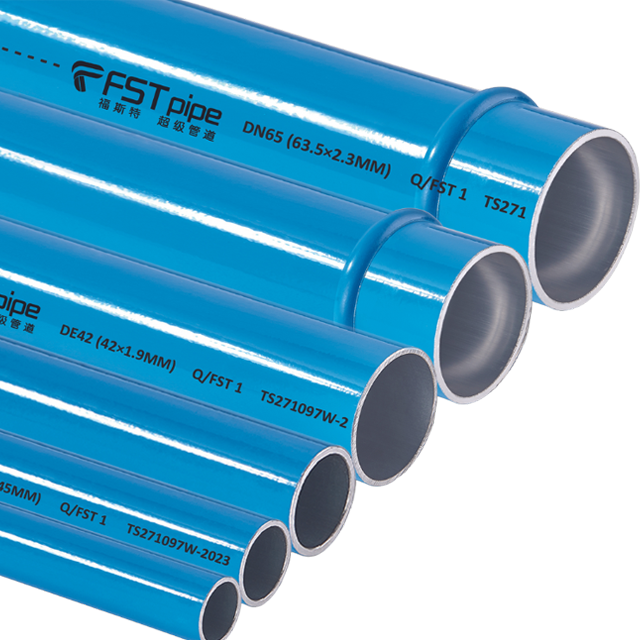
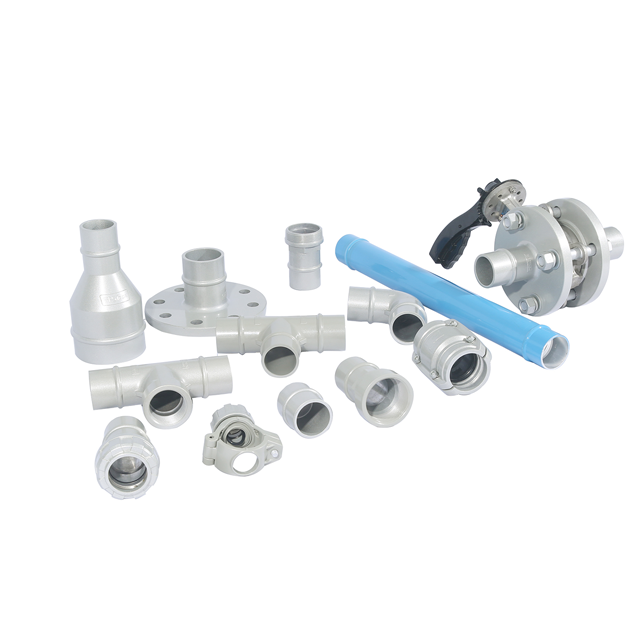
These modern modular solutions dominate new plant installations. When evaluating modern compressed air pipe fittingspush-in fit pipe fittings stand out for sheer installation speed. They revolutionize how teams deploy pneumatic networks.
Mechanism: They utilize an internal precision O-ring seal. A stainless steel grip ring holds the pipe securely.
Use Case: You will find them ideal for rapid deployment scenarios. They suit modular systems perfectly. They drastically minimize skilled labor costs.
Trade-offs: You pay a higher upfront component cost. Installers must strictly deburr and chamfer all pipe ends. Skipping this preparation tears the delicate O-ring.
Older facilities heavily rely on these traditional, heavy-duty joints. They represent the legacy standard of industrial plumbing.
Mechanism: Installers drive tapered metal threads together mechanically. They must apply liquid thread sealants or PTFE tape to achieve an airtight seal.
Use Case: They fit traditional heavy industrial setups exceptionally well. Black iron and galvanized steel systems utilize them extensively.
Trade-offs: The installation process remains highly labor-intensive. Constant vibration frequently induces microscopic leaks over time. Moisture in the air stream makes them highly prone to internal corrosion.
These offer extreme physical durability for highly specific applications. They create an incredibly tight mechanical bond.
Mechanism: Specialized tools mechanically crimp or compress metal ferrules directly around the pipe exterior.
Use Case: They excel in severe high-vibration environments. Permanent copper or heavy stainless steel installations benefit greatly from this method.
Trade-offs: Your team requires expensive, proprietary pressing tools. The connection becomes entirely permanent upon crimping. You cannot easily modify them later.
The chart below summarizes the mechanical differences between these primary connection types.
Connection Type | Installation Speed | Modification Flexibility | Tooling Required | Vibration Resistance |
|---|---|---|---|---|
Push-In Fit | Very Fast | High (Reusable) | Basic deburring tool | Moderate to High |
Threaded | Slow | Low (Hard to unthread) | Pipe threader, wrenches | Low (Prone to loosening) |
Press-Fit | Fast | None (Permanent) | Expensive press tool | Very High |
You must look far beyond basic pipe dimensions when specifying components. Several hidden operational variables dictate long-term system success. Ignoring these criteria leads to premature component failure.
Never rely solely on your normal operating load figures. You must proactively verify the maximum working PSI rating of every single fitting. It must exceed your compressor's absolute peak output. Temperature ratings matter equally. Compressors generate intense friction heat. The connection must handle these thermal spikes safely. Failure to check ratings invites dangerous blowouts.
Industrial rotary screw compressors generate constant, high-frequency vibration. This mechanical shaking travels down the entire piping network. Furthermore, pipes undergo continuous thermal expansion across seasonal temperature shifts. Aluminum lines expand significantly during hot summer months. Rigid legacy fittings often crack under this stress. You must evaluate how flexibly your chosen joints handle these dimensional changes.
Pneumatic experts always verify chemical compatibility first. Modern compressors utilize highly aggressive synthetic lubricants. These oils travel through the entire air stream as a fine mist. They settle deeply inside joints and actively attack rubber seals. You must ensure O-rings use resistant materials like Viton. Standard Nitrile (Buna-N) rubber degrades quickly when exposed to synthetic compressor lubricants.
Workplace safety requires strict adherence to material limits. Ignoring these foundational guidelines invites catastrophic equipment failure. You hold the responsibility to protect your facility workers.
Never use standard PVC piping for compressed air distribution. OSHA strictly warns against this dangerous practice. PVC material shatters explosively if ruptured under gas pressure. It throws razor-sharp plastic shrapnel across the facility floor. Standard water pipe fittings simply lack the engineering ratings for highly compressible gases. You must actively avoid them in all pneumatic applications.
Hidden installation requirements trap many facility managers. Secure connections require exact, methodical preparation steps. You cannot simply hack a pipe and jam it into a fitting. Mechanics must cut exact right angles. They must thoroughly deburr all interior and exterior edges. They also need to mark the precise insertion depth on every pipe end. Failing these specific steps guarantees future blowouts.
Traditional jointing methods introduce hazardous debris into your system. Thread sealants frequently break off during the tightening process. These tape fragments enter the high-velocity air stream immediately. They travel downstream and jam delicate pneumatic control valves. They destroy expensive rotary air tools. Modern O-ring based connections eliminate this severe contamination risk entirely.
Selecting your final components requires strategic, long-term thinking. Follow these actionable steps to finalize your engineering specification.
Evaluate how often your plant floor layout actually changes. Frequent machine moves demand highly modular aluminum systems. You can disassemble and re-route these networks quickly. Conversely, some facility layouts remain entirely permanent. If the environment subjects pipes to extreme physical abuse, recommend welded steel instead. Match the material to your operational reality.
You must balance multiple financial elements carefully. Do not merely look at the initial purchase invoice. First, assess the upfront component price. Next, add the required labor hours and specialized installation time. Calculate the expected energy loss from potential thread leaks over a five-year period. Finally, estimate future modification expenses. Cheaper upfront parts often cost significantly more long-term.
Never blindly trust glossy marketing brochures. You must demand hard engineering data from your prospective suppliers. Follow this sequence when vetting a manufacturer:
Ask for third-party certified pressure drop charts.
Review the exact terms of the product warranty closely.
Request their official ISO compliance certificates.
Verify their chemical compatibility charts for synthetic oils.
Reputable manufacturers provide this critical documentation instantly upon request.
Designing a robust pneumatic network requires careful component selection. The right joints balance upfront material costs against long-term leak prevention. They also guarantee essential system adaptability as your factory grows. You cannot afford to compromise on material compatibility or safety standards. Proper fittings protect your expensive downstream pneumatic equipment.
We encourage buyers to audit their current network before buying anything new. Measure your existing pressure drops carefully across different zones. Calculate your baseline leak rates using ultrasonic detectors. This data justifies your eventual upgrade budget clearly. It provides a measurable baseline for improvement.
Do not guess your facility requirements. Consult a dedicated pneumatic systems engineer today. Request physical sample fittings from short-listed suppliers. Test them directly on-site to ensure optimal performance. Taking these steps guarantees a successful piping deployment.
A: You must exercise extreme caution. Joining dissimilar metals, like copper and galvanized steel, causes rapid galvanic corrosion. This destroys the joint from the inside out. Always use specialized dielectric transition fittings if you must mix materials. Ideally, keep your entire system uniform to eliminate chemical reactions.
A: Yes, commercial push-to-connect systems handle standard industrial air systems safely. Most reputable aluminum modular fittings rate between 190 to 230 PSI. However, they are not designed for extreme high-pressure hydraulics. Always verify the manufacturer's specified maximum working pressure against your compressor's peak output.
A: First, ensure you use proper thread sealing techniques. Apply specialized anaerobic liquid thread sealant rather than cheap hardware-store PTFE tape. If leaks persist due to heavy machine vibration, tightening will not solve the issue. You will eventually need to upgrade to modular, O-ring sealed piping.
A: It depends on the fitting type. Push-in fittings only require a basic pipe cutter and a simple deburring tool. You can install them by hand. Conversely, traditional threaded pipes require heavy pipe threaders and large wrenches. Press-fit systems demand highly expensive, proprietary hydraulic crimping tools.