Views: 0 Author: Site Editor Publish Time: 2026-01-13 Origin: Site
Pressure pipeline systems play a critical role in industries ranging from oil and gas to water treatment and industrial manufacturing. These systems are essential for the efficient transportation of fluids, gases, and other substances under high pressure, ensuring reliable operations in a variety of applications. As we look towards 2026, pressure pipeline systems are expected to undergo significant innovations and improvements driven by technological advancements, environmental considerations, and evolving industry demands.
In this article, we will explore the current trends and future innovations in pressure pipeline systems, focusing on how these developments will impact industries globally. From the adoption of smart technology and AI-driven monitoring systems to the materials and designs that will shape the future of pressure pipelines, these innovations are setting the stage for enhanced efficiency, safety, and sustainability in pipeline systems.
Pressure pipeline systems play an essential role in industries worldwide, ensuring that liquids, gases, and other substances are transported efficiently under high pressure. These systems are vital to the functioning of sectors such as oil and gas, water treatment, and chemical processing. As the global demand for energy, clean water, and industrial products increases, so does the need for efficient and reliable pipeline infrastructure.
In this article, we will explore how pressure pipeline systems are evolving and what innovations are on the horizon for 2026. With advancements in technology, material science, and sustainability, pressure pipeline systems are set to become more efficient, environmentally friendly, and cost-effective, addressing both the growing demand and the challenges posed by aging infrastructure.
As industries push for more efficiency and safety, smart pipeline systems are becoming an essential part of the infrastructure. The integration of sensor-based monitoring systems and automated control technologies is revolutionizing how pressure pipelines are managed.
Real-Time Monitoring: Advanced sensors integrated into pipelines allow for real-time monitoring of pressure, temperature, and flow. These sensors can detect potential issues such as leaks, blockages, or pressure drops before they escalate into costly failures. Operators can respond promptly to mitigate risks, ensuring that operations run smoothly.
Predictive Maintenance: Leveraging artificial intelligence (AI) and machine learning to analyze data from sensors, pipeline operators can predict when maintenance is required. This proactive approach reduces the chances of unexpected breakdowns, saving time and money by addressing issues before they become serious problems.
Automation and Control: In addition to monitoring, automation technology is being integrated into pipeline systems to adjust pressure levels and flow rates in real time. This reduces human error, optimizes energy consumption, and ensures that the pipeline operates at peak efficiency. For example, automatic valves can adjust pressure based on demand, which is particularly useful in industries like water treatment or oil transport.
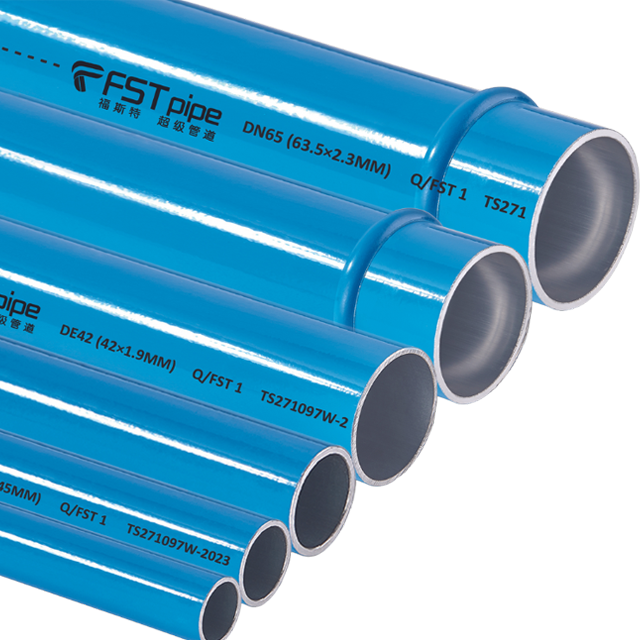
The materials used in pressure pipeline systems are critical to their performance, longevity, and cost-effectiveness. As industrial needs grow and demand for higher capacity pipelines increases, material science continues to evolve to address these challenges. The focus is to enhance the strength, durability, and reliability of pipeline systems, particularly in environments where traditional materials may fall short. Among the many advancements, aluminum alloy and stainless steel piping systems have established themselves as dependable, durable, and cost-effective solutions for modern pipeline applications.
Nanotechnology is revolutionizing the field of pipeline materials by developing advanced coatings that resist wear, corrosion, and even bacterial growth. These innovative coatings are designed to improve the lifespan of pipelines, ensuring better long-term performance and reduced maintenance. Nanotechnology enhances the durability of metal pipelines, especially those subjected to abrasive environments or harsh chemicals.
Aluminum Air Piping Systems and Stainless Steel Piping Systems can significantly benefit from such advanced coatings. Aluminum offers corrosion resistance and lightweight properties, while stainless steel excels in high-pressure and high-temperature applications. Both materials can be further enhanced with nanotechnology coatings, ensuring reliability, long service life, and low maintenance costs in various industries such as aerospace, automotive, and chemical processing.
Sustainability has become a priority across many industries, and pipeline systems are no exception. There is an increasing focus on creating systems that reduce environmental impact, improve energy efficiency, and promote the use of renewable resources.
Energy-Efficient Systems: Innovations in energy recovery systems are allowing pressure pipeline systems to minimize energy consumption. One example is the use of hydroelectric turbines in pipeline systems to recover energy from high-pressure water flows, which can then be used to power other parts of the system or be returned to the grid.
Recyclable Materials: As part of efforts to reduce the environmental impact of pipeline construction and maintenance, there is a growing emphasis on using recyclable materials. Pipeline systems are now being designed with the end of life in mind, and materials such as high-strength composites and recycled metals are being incorporated to ensure that pipelines can be recycled when they reach the end of their operational life.
Leak Detection and Waste Reduction: Another sustainability aspect is the implementation of advanced leak detection systems. These systems help reduce wastage by pinpointing leaks or inefficiencies in real-time. By quickly identifying and addressing issues, energy loss and fluid wastage are minimized, further reducing the system's environmental footprint.
The integration of artificial intelligence (AI) and big data analytics is revolutionizing the management and maintenance of pressure pipeline systems. These technologies enable operators to enhance their monitoring capabilities, make more informed decisions, and significantly improve the efficiency and safety of pipeline operations.
AI and big data allow for data-driven decision-making in real time. By installing sensors along pipelines, operators can continuously collect vast amounts of operational data, such as pressure levels, flow rates, and temperature changes. This data can be analyzed to identify trends, detect anomalies, and optimize the system’s performance. By spotting inefficiencies, operators can make adjustments to improve throughput, minimize energy consumption, and reduce operational costs. For example, data analysis can reveal areas where pressure regulation could be improved or pinpoint areas with high risk of failure.
AI plays a critical role in optimizing pipeline operations through AI-enhanced control systems. These systems can process large datasets generated by pipeline operations and adjust in real time. AI algorithms can predict when certain parts of the system, like pumps or valves, need maintenance or are likely to fail. This predictive maintenance reduces downtime and prevents costly repairs. Additionally, AI systems can adjust parameters such as pressure settings and flow rates dynamically, ensuring the system operates at optimal efficiency, even in the face of fluctuating demand or external conditions.
| Aspect | Description | Key Benefit |
|---|---|---|
| Data-Driven Decision Making | AI and big data allow for real-time decision-making by continuously collecting and analyzing operational data such as pressure levels and flow rates. | Optimizes pipeline performance, reduces inefficiencies, and minimizes operational costs. |
| AI-Enhanced Control Systems | AI algorithms process data from pipeline operations and make real-time adjustments. Predictive maintenance alerts operators to potential failures, ensuring minimal downtime. | Reduces downtime, enhances operational efficiency, and prevents costly repairs. |
While the future of pressure pipeline systems is bright, there are several challenges that need to be addressed:
Aging Infrastructure: Many existing pipeline systems, especially in developed regions, are aging and in need of upgrades. Modernizing these systems will be critical to ensuring that they can handle future demands, including higher pressures and more complex fluids.
Security and Cyber Threats: As more systems become automated and reliant on data-driven technologies, the risk of cyberattacks on pressure pipeline systems grows. Protecting these systems from cyber threats will be a key concern as more pipelines become interconnected and digitized.
Regulations and Compliance: As governments around the world implement stricter environmental and safety regulations, pressure pipeline systems must evolve to meet these standards. Companies will need to invest in new technologies and infrastructure to comply with evolving laws.
The future of pressure pipeline systems looks promising, with advancements in smart monitoring, innovative materials, and sustainability driving significant improvements. These innovations will enable industries to operate more efficiently, safely, and with a reduced environmental footprint. As the demand for more robust and efficient pipeline systems continues to grow, the industry must adapt to meet new challenges while embracing cutting-edge technologies.
At Guang Dong Foster Fluid Technology Co., Ltd., we specialize in providing high-quality, innovative pipeline solutions that meet the evolving needs of the industry. Our expertise in pressure pipeline systems ensures that we can provide the best products and services to help optimize your pipeline operations. For more information or to discuss your specific requirements, feel free to contact us.
Q1: How do pressure pipeline systems work?
Pressure pipeline systems transport fluids or gases under high pressure through pipelines, often utilizing pumps and valves to regulate flow, pressure, and direction.
Q2: What materials are used for pressure pipeline systems?
Pressure pipelines are typically made from steel, composite materials, and sometimes polymers, depending on the application and environment.
Q3: What is the role of smart monitoring in pressure pipeline systems?
Smart monitoring systems use sensors and data analytics to monitor pressure levels, detect leaks, and predict maintenance needs, enhancing efficiency and safety.
Q4: How can pressure pipeline systems contribute to sustainability?
By using energy-efficient pumps, recyclable materials, and designs that minimize energy consumption, pressure pipeline systems can reduce their environmental impact.