Views: 0 Author: Site Editor Publish Time: 2026-04-16 Origin: Site
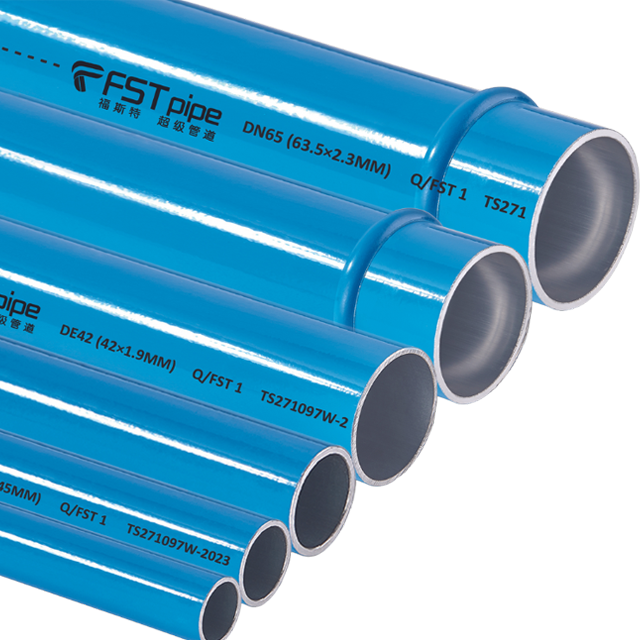
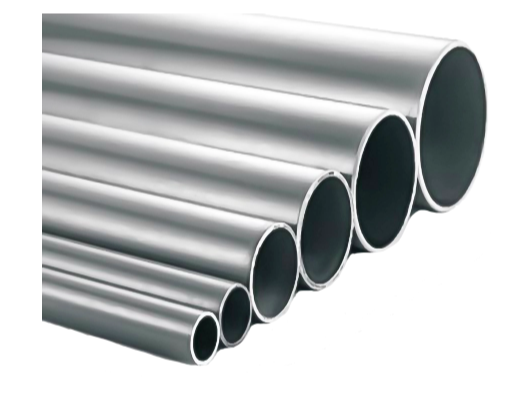
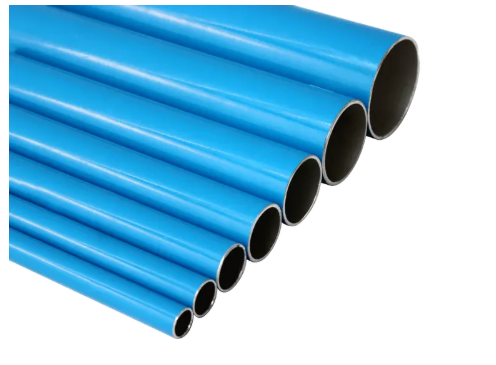
When most people think about air piping systems, they focus on the obvious goals: delivering compressed air from the compressor room to the production floor, maintaining enough pressure for tools and machines, and reducing leaks that waste energy. These are certainly important. Yet the truly valuable benefits of a well-designed system often go unnoticed. In many factories, the piping network is treated as a background utility, something necessary but not strategic. That mindset causes businesses to miss one of the most important truths in industrial operations: a high-quality compressed air distribution network does far more than move air. The little-known advantage of modern air piping systems is that they improve the entire operating environment of a facility. A strong system helps stabilize production, simplifies plant management, supports cleaner processes, reduces hidden downtime, and makes future changes easier to handle. In other words, a good piping network is not just a transport line. It is a silent efficiency tool that supports production quality, maintenance planning, and long-term business flexibility. This is especially true with a modern aluminum air piping system. Compared with older steel-based networks, aluminum systems often provide operational advantages that extend beyond corrosion resistance and easier installation. They help create a more adaptable, organized, and dependable factory infrastructure. These benefits may not always appear on a basic equipment list, but they have a real impact on productivity and cost control over time. In this article, we will explore the hidden strengths of compressed air piping systems, why they matter more than many companies realize, and how modern piping design can support performance far beyond simple air delivery. In many industrial settings, compressed air is treated like a standard utility. It is expected to be available at all times, just like electricity or water. Because of that, businesses often pay most of their attention to compressors, dryers, and filters while assuming the piping network is only a passive connection between those components and the end-user equipment. This way of thinking overlooks how strongly the piping network influences the entire compressed air system. If the piping layout is poor, if the pipe material degrades internally, or if the network is difficult to adapt, the plant pays for those weaknesses every day. The cost appears in forms that are not always immediately visible: unstable tool performance, longer maintenance work, hard-to-diagnose pressure fluctuations, contamination risks, and lost production time during modifications. The little-known advantage begins with recognizing that air piping systems shape how efficiently a factory operates on a practical level. The piping does not simply serve the equipment. It influences how people work, how easily the system can be maintained, and how smoothly the business can grow. One of the most overlooked benefits of well-designed air piping systems is the effect they have on daily production stability. Many factories experience small disruptions that are never formally linked to the piping network. Operators may notice that some pneumatic tools feel weaker during busy shifts, certain machines respond inconsistently, or air demand surges affect nearby equipment. These problems may not always trigger immediate system alarms, but they reduce consistency across the production line. A well-planned compressed air piping network helps avoid these issues by supporting balanced distribution and reliable airflow. When air reaches each workstation with more stable pressure and fewer fluctuations, machine behavior becomes more predictable. This matters in automated environments where timing, repeatability, and control precision are essential. Small pressure variations can create surprisingly large consequences in modern manufacturing. A filling line may lose consistency, a robotic actuator may perform less accurately, or a pneumatic clamp may react more slowly than expected. These problems can appear random when the real cause is distribution instability. A better piping system reduces these operational uncertainties. Factories rarely celebrate a piping system because it is doing its job quietly. Yet when the network is improved, teams often notice that operations simply feel smoother. There are fewer unexplained air-related interruptions, less adjustment at the machine level, and more confidence in shift-to-shift performance. That stability is one of the least discussed but most valuable outcomes of a quality system. Another little-known advantage of modern air piping systems is adaptability. Industrial facilities are not static. Production lines move, equipment is replaced, departments expand, and new workstations are added. A rigid or outdated piping network can make those changes expensive and disruptive. In some cases, the compressed air system becomes a barrier to growth because extending or modifying it requires excessive downtime, heavy labor, or major reconstruction. This is where a modern aluminum air piping system offers exceptional value. Its modular nature makes it far easier to reconfigure than many traditional alternatives. Instead of treating expansion as a major engineering challenge, businesses can often add branches, install drops, or connect new equipment with much less disruption. The ability to adapt quickly is a strategic advantage in manufacturing. If a company wants to rearrange production for a new product line, compressed air distribution should support that decision rather than slow it down. A flexible piping network helps the plant respond faster to customer demand, operational changes, and new investment opportunities. Many businesses focus heavily on initial purchase cost, but the long-term cost of inflexible infrastructure can be much higher. A system that is easy to expand often reduces future labor, shortens downtime during upgrades, and lowers the overall cost of plant improvement projects. Maintenance efficiency is another hidden benefit that deserves more attention. In factories with aging or poorly arranged compressed air piping, maintenance teams often spend unnecessary time locating issues, isolating sections, dealing with corroded components, or working around difficult pipe layouts. This creates labor inefficiency and increases the chance that small issues become larger operational problems. Well-designed air piping systems support a more organized maintenance approach. Clear layout planning, proper zoning, clean pipe material, and accessible isolation points all contribute to faster service and easier troubleshooting. Maintenance becomes more predictable, and teams can perform their work with less disruption to production. A piping network that is organized logically is easier to inspect and manage. When technicians can quickly understand the layout, identify branch routes, and isolate sections without confusion, maintenance becomes safer and more efficient. An aluminum air piping system also reduces one of the most frustrating maintenance issues in compressed air distribution: internal corrosion-related contamination. In steel systems, rust particles and scale can create repeated downstream issues that maintenance teams must keep addressing. Aluminum helps reduce this cycle by keeping the internal surface cleaner over time. Energy efficiency is often the most discussed benefit of improving compressed air systems, and it is certainly important. Lower pressure drop, reduced leakage, and smoother airflow all help reduce power consumption. However, the little-known advantage is that the real value of better air piping systems goes beyond electricity savings. A business may save energy by upgrading its piping, but it may also gain more consistent output, cleaner production conditions, reduced rework, easier maintenance, and better readiness for expansion. These operational gains can be just as valuable as direct energy reduction, and in some cases they may be even more important. A compressed air system should be measured by how well it supports the entire plant. If the piping network helps reduce process interruptions, improve machine response, and make maintenance easier, that is also efficiency. This broader view is what many companies fail to recognize. Some costs never appear as a line item labeled “bad piping.” Instead, they show up as lost time, production inconsistency, maintenance effort, and unnecessary complexity. A better piping system helps eliminate those hidden losses. Another less obvious advantage of quality piping is its effect on product quality. In many industries, compressed air comes into direct or indirect contact with production processes. That means the condition of the air network can influence product cleanliness, finish consistency, and process reliability. When internal pipe surfaces corrode, particles can travel downstream. When moisture is poorly managed, condensate can reach tools, valves, and equipment. When pressure fluctuates, spray quality, actuator movement, or automated sequences may become less consistent. All of these issues can affect the final product, even if the connection is not immediately recognized. A properly designed aluminum air piping system helps support cleaner and more stable compressed air delivery. Because aluminum resists rust and maintains a smooth internal path, it helps protect air quality and reduces the risk of contamination entering sensitive processes. In applications such as painting, coating, spraying, and pneumatic finishing, air quality and pressure stability are extremely important. Even minor inconsistency can affect appearance, uniformity, and waste rates. In electronics, packaging, food-related processing, and automated assembly, compressed air must be dependable and clean. A higher-quality piping system helps protect those requirements from the source all the way to the workstation. This may seem like a minor point at first, but the condition of the compressed air network often reflects the overall discipline of a facility. A factory with a clean, well-routed, modern piping system usually operates differently from one with disorganized lines, patched connections, and difficult access points. Well-designed air piping systems create a more professional infrastructure environment. This improves not only technical performance but also inspection visibility, staff confidence, and plant presentation. For businesses that host customers, auditors, or partners, infrastructure appearance can support the impression of quality and management discipline. Operators and technicians work better in environments where systems are clearly arranged and logically installed. A tidy piping network makes the plant easier to understand and easier to trust. An aluminum air piping system often contributes to a cleaner and more organized plant appearance because the pipework is lightweight, modular, and visually consistent. This may not be the primary reason to choose aluminum, but it is still a practical operational benefit. One more hidden advantage of quality compressed air piping is that it allows plants to handle change with fewer disruptions. When a piping system includes good layout logic, clear sections, and suitable isolation capability, repairs and upgrades can often be completed without shutting down the entire facility. This is especially valuable in operations where downtime is expensive. The ability to isolate one zone, add one branch, or modify one work area without affecting the whole plant is a major operational strength. Yet many businesses only understand the importance of this feature after experiencing the cost of a full shutdown caused by a poorly designed system. Instead of stopping all production for a small modification, a better system allows targeted intervention. This supports both maintenance planning and production continuity. A strong compressed air distribution system should make plant improvements easier, not harder. That is one of the clearest signs of infrastructure that has been designed with long-term operational thinking. Traditional steel piping once dominated compressed air distribution because it was widely available and familiar. But modern industrial priorities have changed. Companies now care more about lifecycle cost, cleanliness, expandability, and ease of installation. That is why the aluminum air piping system has become increasingly important. Aluminum does more than resist corrosion. It supports a modern way of thinking about utility infrastructure. It is lighter to handle, easier to install, simpler to modify, and better suited to facilities that need efficiency without sacrificing adaptability. As production environments become more demanding, these advantages become more meaningful. Factories today are expected to be leaner, more flexible, and more reliable than before. A piping network should help achieve those goals rather than remain stuck in outdated design habits. The value of aluminum piping is not only in what it prevents, such as rust and contamination, but also in what it enables: smoother expansion, cleaner operation, and a more future-ready compressed air system. To gain the full benefit of modern air piping systems, businesses should stop viewing the network as a simple utility line and start treating it as performance infrastructure. That means evaluating piping decisions based on long-term operational impact, not only immediate material cost. A facility should consider whether its current network supports stable pressure, easy maintenance, future changes, and clean distribution. If not, the piping system may be quietly limiting performance every day. Upgrading to a better-designed system, especially a modular aluminum air piping system, can create value in ways that are broader and more strategic than many decision-makers first expect. It is also important to work with suppliers and technical teams that understand the full role of compressed air distribution. A strong provider can help assess layout needs, select suitable materials, support installation quality, and design a system that serves both present operations and future growth. The little-known advantage of compressed air piping systems is that they do much more than deliver air. A well-designed network supports operational stability, simplifies maintenance, improves flexibility, protects air quality, reduces hidden downtime, and helps factories adapt more easily to change. These benefits often remain unnoticed because good piping works quietly in the background, but its contribution to efficiency and reliability is substantial. For companies that want more than a basic utility line, modern air piping systems can become a meaningful source of long-term operational improvement. This is one reason why many businesses are turning to the aluminum air piping system as a smarter solution for modern industry. With corrosion resistance, smooth internal surfaces, modular installation, and easier expansion, aluminum piping helps create a cleaner, more efficient, and more future-ready compressed air infrastructure. For companies seeking dependable pipeline solutions, FSTpipe offers professional support in aluminum alloy and stainless steel pressure pipeline systems, serving industries such as automotive, electronics, food, medicine, furniture, and aerospace. From design and production to installation consultation, FSTpipe helps customers build compressed air systems that not only move air efficiently, but also support stronger, more adaptable industrial operations. Beyond delivering compressed air, high-quality air piping systems help improve production stability, simplify maintenance, support cleaner processes, and make future factory expansion or layout changes much easier. A modern aluminum air piping system is popular because it is lightweight, corrosion-resistant, easy to install, and easier to modify than many traditional systems. It also helps maintain cleaner airflow and lower pressure drop over time. Yes. Poor piping can introduce contamination, moisture, and pressure instability into production processes. A better system helps protect air quality and maintain more consistent equipment performance. A well-designed network with clear layout, accessible isolation points, and cleaner internal pipe surfaces allows technicians to inspect, repair, and modify the system more efficiently and with less downtime. No. Energy savings are important, but upgrading piping can also reduce hidden costs such as production interruptions, maintenance labor, contamination risks, and expansion difficulty.Why compressed air piping is often underestimated
The hidden advantage is operational stability
Stable air supply supports stable production
The benefit is often invisible until problems disappear
A good piping system improves factory flexibility
Change becomes easier to manage
Future growth becomes less costly
Better piping helps maintenance teams work smarter
Clear infrastructure saves time
Cleaner pipe interiors reduce secondary problems
The real value is not only energy savings
Efficiency includes process efficiency, not just power efficiency
The best systems reduce hidden costs
Cleaner air distribution supports better product quality
Surface finishing and coating processes benefit greatly
Precision manufacturing needs more than just compressed air
The piping system affects how professional a factory feels
Organization improves confidence
A modern aluminum system supports visual clarity
Fewer interruptions during upgrades and repairs
Downtime becomes more controlled
The network becomes a support tool, not a constraint
Why aluminum systems are changing the conversation
Modern plants need modern infrastructure
Aluminum supports long-term value
How businesses can unlock these little-known advantages
Conclusion
FAQ
1. What is the little-known advantage of air piping systems?
2. Why do modern factories prefer an aluminum air piping system?
3. Can compressed air piping affect product quality?
4. How does a good piping system help maintenance?
5. Is upgrading air piping only about saving energy?