Views: 0 Author: Site Editor Publish Time: 2025-11-12 Origin: Site
Compressed air is often referred to as the "fourth utility" because it powers essential machinery, yet it remains one of the most expensive energy sources in any industrial facility. Inefficiencies in the distribution system—often hidden in the piping overhead—directly impact your bottom line through higher energy bills and maintenance costs. Traditionally, facility managers relied on Black Iron (Schedule 40) or Copper, accepting issues like scaling, corrosion, and labor-intensive installation as necessary evils of the trade. Today, Aluminum Compressed Air Pipe has emerged not merely as an alternative, but as the modern industry standard for minimizing pressure drop and maximizing air purity. This analysis moves beyond surface-level benefits to evaluate Total Cost of Ownership (TCO), ISO compliance, and the long-term operational impact on your manufacturing plant.
Total Cost Inversion: While aluminum material costs are higher than steel, labor savings (50–85%) typically result in a lower total project cost.
Energy ROI: Smooth bore technology reduces pressure drop, potentially lowering compressor energy consumption by 10%+.
Leak Elimination: Calibrated tubing eliminates the 7–10% leak rate common in threaded steel systems.
Purity Assurance: Non-corrosive 6063 aluminum pipe for compressed air protects downstream pneumatic equipment and ensures ISO 8573-1 compliance.
Modularity: Systems can be modified under pressure (hot taps) or reconfigured without welding/threading, supporting agile manufacturing.
When evaluating piping systems, buyers often stop at the raw material price. Black iron pipe is undeniably cheaper by the foot than aluminum. However, this view ignores the primary cost driver in modern construction: labor. The installation value chain reveals that aluminum systems effectively invert the cost structure.
In a traditional steel installation, the material might account for 30% of the cost, while labor consumes 70%. Aluminum systems flip this ratio. Although the upfront purchase price of the pipe and fittings is higher, the installation time is reduced by 50% to 85%. For facility managers, this means the total project cost—the check you actually write—is often lower for an aluminum system than for a threaded steel system.
Installing threaded pipe is a messy, intrusive process. It requires heavy threading machinery, buckets of cutting oil, and significant site preparation. Aluminum piping eliminates these "dirty" requirements entirely. There is no need for threading, soldering, or brazing. Installers simply cut the pipe to length, deburr the edges, and push it into the fitting. This absence of cutting fluids means there is no risk of contaminating the pipe interior before the system is even pressurized.
Real-world benchmarks highlight the speed disparity. A header loop that typically takes a team of pipefitters three to five days to install using Schedule 40 steel can often be completed in a single day with aluminum. Furthermore, Aluminum Compressed Air Pipe is approximately one-third the weight of steel. This lightweight nature reduces the need for heavy-duty structural anchoring. It allows a single technician to handle 20-foot sections of pipe safely, reducing crew size and improving job site safety.
The operational impact of your piping material extends far beyond the compressor room. It directly affects the quality of your end product and the longevity of your production equipment. Corrosion is the silent killer of pneumatic efficiency, and it is here that material science plays a pivotal role.
Black iron and galvanized pipes will inevitably corrode. Moisture is a natural byproduct of air compression. Even with dryers, residual humidity interacts with iron to form rust scale. Over time, this scale flakes off and travels downstream. It acts like sandpaper, destroying the seals of expensive pneumatic valves, cylinders, and tools. Eventually, the pipe interior becomes pitted, restricting airflow and harboring bacteria.
Modern systems utilize specific alloys to combat this issue. Specifically, 6063 Aluminum Pipe for Compressed Air is engineered using a magnesium-silicon alloy. This composition provides exceptional resistance to oxidation and corrosion. Unlike steel, which degrades, aluminum forms a thin, protective oxide layer that prevents further reaction. This ensures that the pipe maintains its smooth interior profile for decades.
By eliminating rust at the source, you protect downstream assets. Point-of-use filters do not clog as frequently, and pneumatic tools last longer. For industries with strict hygiene requirements, such as Food & Beverage, Pharmaceuticals, and Electronics, this is non-negotiable. Aluminum piping supports compliance with ISO 8573-1 Class 0 or Class 1 air purity standards, ensuring that the air delivery system does not introduce particulate contamination into the manufacturing process.
Energy costs often represent 70% to 80% of the total lifecycle cost of a compressed air system. Therefore, the financial ROI of aluminum pipe is largely derived from its ability to conserve energy through reduced friction and leak elimination.
Air moves through pipe much like water. Rough surfaces create turbulence, known as pressure drop. New steel pipe has a relatively rough surface, and as it corrodes, it becomes pitted, drastically increasing friction. Aluminum pipe features a calibrated, smooth bore with a low friction coefficient (C-factor). This promotes "laminar flow," where air moves smoothly in parallel layers, maintaining pressure over long distances.
Pressure drop is directly monetized at the compressor. Industry rule of thumb states that for every 2 psi you lower the system pressure, you save 1% in compressor energy. Because aluminum systems minimize pressure drop, facility managers can lower the set-point on the compressor while still delivering the required pressure to the furthest tool. Reducing the set-point by 10 psi can yield roughly 5% in direct energy savings.
Leakage is the other major energy waster. Threaded connections rely on interference fits—jamming metal into metal. Over time, vibration and thermal expansion cause these threads to loosen. The U.S. Department of Energy estimates that the average industrial plant loses 20-30% of its air to leaks, much of it from threaded joints. Aluminum systems utilize calibrated O.D. pipes with O-ring or clamp seals. These engineered connections ensure near-zero leak rates for the life of the system.
Modern manufacturing is agile. Production lines move, cells are reconfigured, and capacities expand. Your piping infrastructure must adapt as quickly as your business does.
Traditional piping is rigid and difficult to modify. Adding a drop to a steel header usually requires shutting down the system, draining the air, cutting the pipe, and re-threading. Aluminum systems allow for "hot taps" or quick drops. Technicians can install a specialized saddle clamp and drill into the pressurized pipe (using a specialized tool that captures shavings) to create a new drop without stopping production.
Unlike copper (which is soldered) or PVC (which is glued and dangerous), aluminum components are reusable. If you move a production line, you can disassemble the pipes and fittings and reassemble them in the new location. This recoverability makes aluminum a capital asset rather than a sunk construction cost.
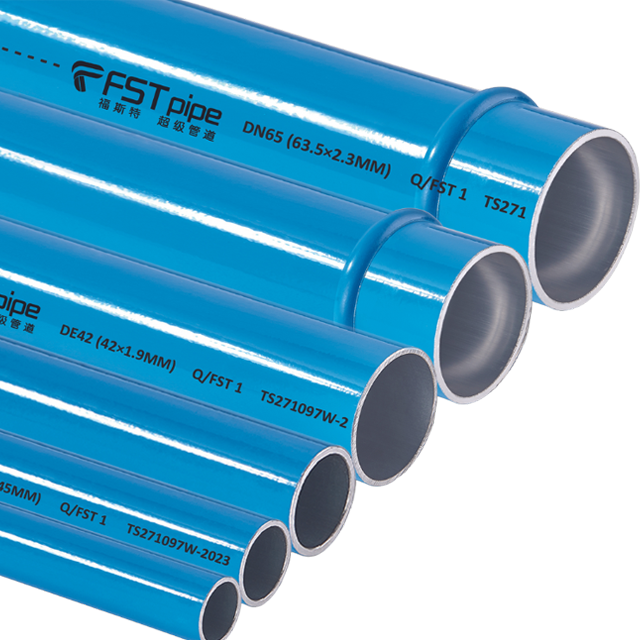
Safety and clarity are enhanced through standardization. Most aluminum air pipe is powder-coated in "Qualicoat Blue." This provides immediate visual identification of the line’s contents, distinguishing it from water, gas, or fire suppression lines. This visual management aids in maintenance and ensures compliance with safety color-coding standards.
Safety officers and plant managers must prioritize risk management. The choice of piping material has significant safety implications.
It is critical to address the use of PVC or CPVC for compressed air. Do not use PVC. OSHA explicitly warns against it. Plastic becomes brittle over time due to the compressor oils and thermal cycling. Under high pressure, PVC can shatter, sending plastic shrapnel flying like a grenade. Aluminum piping eliminates this explosion risk entirely.
Installing copper or welding stainless steel requires open flames or arcs. In an operational facility, this necessitates "Hot Work Permits," fire watches, and often production stoppages to remove flammable materials. Aluminum’s cold-connection technology (push-to-connect or compression) requires no fire, smoke, or fumes. This allows installation to proceed during normal working hours without compromising plant safety.
Aluminum offers a high strength-to-weight ratio. It is rigid enough to span gaps without sagging, yet light enough to reduce stress on roof trusses. Compared to brittle plastics or heavy, dangerous steel, aluminum ensures structural integrity even during accidental impacts or seismic events.
To validate the purchase decision, we can look at a comparison matrix across the lifecycle of the system. This helps buyers understand where their money goes—and where it is saved.
| Feature | Black Iron (Steel) | Copper | Aluminum |
|---|---|---|---|
| Material Cost | Low | High (Volatile) | Moderate |
| Installation Labor | High (Threading/Heavy) | High (Soldering) | Lowest (Push/Clamp) |
| Corrosion Risk | High (Rust/Scale) | Low | Zero |
| Leak Potential | High (Thread leaks) | Low | Near Zero |
| Modularity | Poor (Permanent) | Poor (Soldered) | Excellent (Reusable) |
| Safety | Good (Heavy) | Fire Risk during Install | High (No Hot Work) |
Year 0 (Installation): Aluminum typically ties with or beats Steel. The higher material cost is offset by the 50%+ reduction in labor hours.
Year 1-5 (Operations): Aluminum begins to generate ROI. Energy bills are lower due to reduced pressure drop and zero leaks. Maintenance costs drop because filters remain clean.
Year 10+ (Lifecycle): Steel systems often require expensive cleaning or replacement due to internal corrosion. Aluminum systems remain static, performing exactly as they did on day one.
Choose Aluminum if you value clean air, speed of installation, and long-term energy efficiency. It is the logical choice for 90% of general manufacturing applications.
Choose Steel only if you are transporting extremely abrasive media that might wear out aluminum, or if the project is purely driven by the lowest possible raw material price with no regard for operating costs.
Choose Copper if you have very specific small-diameter requirements (under 1/2 inch) or overlap with medical gas systems where copper is mandated, despite the high cost volatility.
Transitioning from understanding "why" to knowing "how" ensures a successful project. Specifying the correct components is vital.
Not all aluminum is created equal. It is crucial to specify 6063 aluminum pipe for compressed air, typically with a T5 or T6 temper. This alloy offers the perfect balance of extrudability (for smooth bores), corrosion resistance (magnesium-silicon), and structural rigidity. It ensures the pipe can handle the pressure ratings—usually up to 232 PSI—without deforming.
Connection types vary by diameter. For smaller sizes (typically under 2 inches), "push-to-connect" fittings allow for instant sealing. For larger diameters (3 inches to 10 inches), "lugged" or "clamshell" fittings are used. These provide the massive grip strength needed to hold pipes together under high pressure while still allowing for easy disassembly.
A common mistake is undersizing the pipe to save money. Because aluminum flows so well, engineers sometimes reduce the diameter. However, the best practice is to use the smooth bore advantage to optimize flow, not restrict it. Always size the pipe based on the system's maximum potential demand, not just current usage. The marginal cost of stepping up one pipe size is negligible compared to the energy savings from reduced pressure drop over ten years.
Aluminum compressed air pipe is no longer a luxury option reserved for high-tech laboratories; it is the logical engineering choice for lowering plant Operating Expenses (OpEx). By eliminating corrosion, leaks, and installation headaches, it bridges the gap between the durability of metal and the versatility required by modern manufacturing.
The transition from traditional steel to aluminum represents a shift from a "fix-it-when-it-breaks" mentality to a proactive strategy of efficiency and purity. For facility managers looking to protect their equipment and reduce their energy footprint, the verdict is clear: aluminum offers the superior Total Cost of Ownership.
Next Steps: Before selecting your pipe diameter, we recommend conducting a compressed air energy audit. Understanding your true flow (CFM) and pressure requirements will ensure your new aluminum system is perfectly tuned for efficiency.
A: Yes. Aluminum systems are highly modular and can connect to existing steel or copper headers using simple threaded adapters or flange transitions. This makes them ideal for extending current lines without replacing the entire network.
A: No. Using PVC for compressed air is extremely dangerous and is cited as a violation by OSHA. PVC becomes brittle over time and can explode under air pressure, sending sharp plastic shrapnel into the workspace. Always use approved metal piping.
A: Standard aluminum compressed air pipe is typically rated for a working pressure of 232 PSI at standard temperatures. This is sufficient for over 99% of general industrial compressed air applications.
A: The 6063 alloy (magnesium and silicon) is recommended because it offers the best balance of corrosion resistance, structural strength, and extrudability. This ensures a smooth internal surface for airflow and long-term durability against moisture.