Views: 0 Author: Site Editor Publish Time: 2026-04-20 Origin: Site
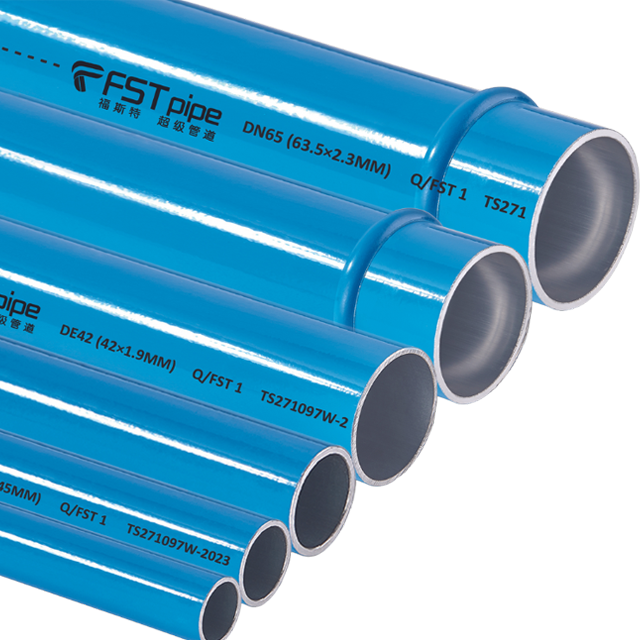
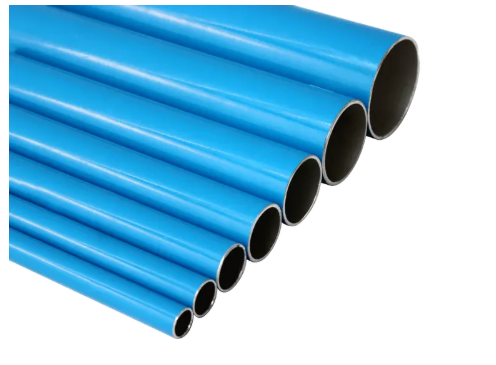
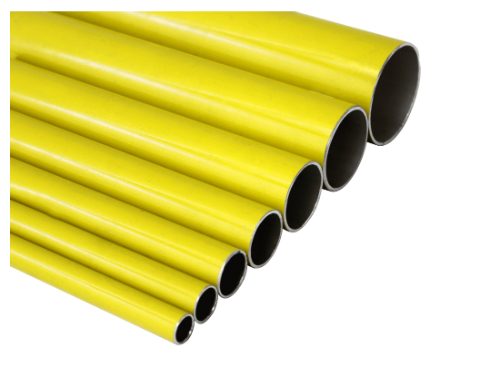
An aluminum air piping system is a modern compressed air distribution solution made from aluminum alloy pipes, fittings, valves, and accessories that transport compressed air from the source to the point of use. Instead of relying on traditional materials such as black steel or galvanized pipe, many industrial facilities now choose aluminum systems because they are lightweight, corrosion-resistant, easy to install, and highly efficient for long-term compressed air delivery. In simple terms, the aluminum air piping system acts as the “circulatory network” of a factory’s compressed air infrastructure. After air is produced by the compressor and treated through dryers, filters, and receivers, it must travel through a piping network before reaching machines, tools, and production stations. The quality of that network has a direct impact on pressure stability, energy consumption, air cleanliness, and maintenance cost. That is why aluminum piping has become increasingly popular in manufacturing plants, workshops, and processing facilities that want a cleaner and more reliable solution. Compared with older piping materials, aluminum offers a different combination of performance benefits. It is not only lighter and easier to handle during installation, but it also maintains a smoother internal surface over time. This means the system can support better airflow efficiency and lower pressure drop, even after years of operation. For businesses that depend on stable compressed air for daily production, that difference can be significant. This article explains in detail what an aluminum air piping system is, how it works, why it is widely used, what components it includes, where it performs best, and why it has become one of the preferred choices for modern compressed air distribution. An aluminum air piping system is a complete network specifically designed to distribute compressed air through aluminum alloy pipework. It usually includes straight pipes, elbows, tees, unions, drop lines, connectors, mounting hardware, valves, and point-of-use accessories. All of these parts work together to carry compressed air efficiently from a central source to different areas of a facility. The key difference between an aluminum air piping system and older pipe networks lies in the material itself. Aluminum alloy is naturally resistant to corrosion and does not suffer from the same type of internal rust buildup that can affect steel systems. This gives it an important advantage in compressed air applications, where moisture and condensate can lead to long-term deterioration inside traditional pipes. An aluminum system is not just a replacement for metal pipe. It is often designed as an engineered modular solution. In many cases, the fittings are intended for quick assembly, secure sealing, and easier expansion. This makes the system especially useful in modern factories where production lines may change, equipment may be relocated, and new branches may need to be added later. Because compressed air is widely used in industrial production, the piping system must do more than simply carry air. It must maintain pressure, support flow demand, protect air quality, and reduce energy waste. Aluminum piping systems are designed to meet these expectations more effectively than many conventional materials. To understand what an aluminum air piping system is, it is helpful to look at how it functions within a full compressed air network. The process starts with the air compressor, which compresses atmospheric air to a required operating pressure. After compression, the air often passes through treatment equipment such as filters, dryers, separators, and storage tanks. Once the air is properly conditioned, it enters the aluminum piping system for distribution across the plant. The main header carries air from the compressor room to different production zones. From there, branch lines and drop lines deliver air to workstations, machinery, robotic equipment, pneumatic tools, packaging systems, or process lines. At specific locations, regulators and filters may be installed to provide local control over pressure and air quality. The primary aluminum pipeline serves as the backbone of the system. It transports air across the facility and must be sized to match expected flow demand. Because aluminum pipes usually have smooth internal surfaces, they help support stable flow with less friction loss. Branch lines split from the main header and distribute air to individual departments or equipment clusters. In a well-designed aluminum air piping system, these branches are positioned to minimize unnecessary pressure loss and maintain balanced air delivery. At the end of the network, the system feeds the final application. This may include assembly tools, air cylinders, CNC machines, printing equipment, or other devices that depend on compressed air for operation. The role of the aluminum network is to make sure the air arrives cleanly and efficiently. The popularity of the aluminum air piping system is largely due to the unique characteristics of aluminum alloy. In compressed air applications, the choice of pipe material directly influences long-term performance. Aluminum offers several important advantages that explain why more companies are selecting it over older materials. One of the most important reasons aluminum is used is its excellent resistance to corrosion. In compressed air systems, moisture can form when hot compressed air cools in the pipeline. This moisture may lead to rust inside traditional steel pipes, especially if drainage and drying are not perfect. Aluminum does not rust in the same way, which helps preserve the cleanliness of the inside surface and protects airflow quality over time. Aluminum is much lighter than steel. This makes pipes easier to transport, lift, position, and install. For contractors and maintenance teams, the reduced weight can improve installation efficiency and lower labor difficulty. In large plants or elevated installations, this can be a major practical advantage. The inner wall of an aluminum pipe is generally smooth, which helps reduce friction as compressed air moves through the system. Lower friction means lower pressure drop, and lower pressure drop means the compressor does not need to work as hard to maintain usable pressure at the end of the line. Many facilities also appreciate the clean and professional appearance of aluminum systems. In modern industrial environments, a well-organized piping network is not only functional but also visually beneficial for maintenance, inspection, and plant presentation. An aluminum air piping system is made up of multiple parts, not only the straight pipe itself. Every component contributes to the final performance of the network. These are the main channels that transport compressed air. They are typically available in different diameters to match system capacity and branch demand. Elbows, tees, reducers, connectors, and unions are used to change direction, divide flow, or connect pipe sections. In modular systems, fittings are often designed for quick and secure installation. Shut-off valves, ball valves, and isolation valves help control the movement of compressed air and allow sections of the network to be serviced without shutting down the entire system. Vertical drops carry air from the main or branch line down to machinery and workstations. In many systems, these are designed to help minimize water carryover to the point of use. Proper mounting is essential for long-term reliability. Supports hold the aluminum pipe in position, reduce stress on joints, and help maintain clean alignment throughout the facility. These can include filters, regulators, lubricators, drain devices, and quick couplings installed near the final equipment to optimize air quality and pressure. When people ask what an aluminum air piping system is, they are often comparing it to traditional steel pipe networks. The difference is not only in weight but in overall system philosophy. Older systems built from black steel or galvanized steel were often heavy, labor-intensive to install, and more likely to experience internal deterioration over time. Once rust or scale builds up inside the pipe, pressure drop increases and contamination risks become more serious. Maintenance also becomes more complicated. By contrast, aluminum air piping systems are typically designed with modern industrial efficiency in mind. They prioritize clean airflow, lower pressure loss, easier installation, and modular adaptability. Instead of treating the piping network as a fixed and difficult-to-change structure, aluminum systems often allow businesses to modify or expand the network more easily as operations evolve. This flexibility is important because many factories do not remain static. Equipment is moved, production lines are reconfigured, and additional workstations are added. A piping system that can adapt without major reconstruction offers real long-term value. An aluminum air piping system provides several benefits that make it highly attractive for industrial compressed air use. Because the inner surface remains smooth and free from rust buildup, aluminum systems help maintain better airflow efficiency over time. Reduced pressure drop means more usable pressure reaches the equipment without requiring excessive compressor output. Internal corrosion can release particles into the air stream. Since aluminum does not rust like standard carbon steel, it helps reduce the risk of contaminated compressed air reaching sensitive equipment or production processes. The lightweight nature of aluminum and the use of modular fittings often make installation much faster than welded or threaded traditional systems. This can reduce project disruption and labor cost. If a factory needs to add machinery or reroute part of the production line, an aluminum system is often easier to adjust. This is a major advantage in growing businesses or facilities with changing layouts. Although the initial material cost may be higher than some traditional options, the long-term savings from reduced maintenance, improved airflow efficiency, and easier expansion often make aluminum an economical choice over the life of the system. Aluminum air piping systems are widely used in many industrial and commercial sectors because compressed air is essential in so many applications. In automotive production plants, aluminum pipe networks distribute air to assembly tools, automation stations, and paint-related equipment. In electronics manufacturing, the clean internal conditions of aluminum help support sensitive pneumatic processes. In furniture production, compressed air is used for spraying, sanding, and machine operation, making reliable distribution important. In food and pharmaceutical environments, although some applications may require stainless steel depending on specific standards, aluminum is still valued in many parts of the system for its cleanliness and corrosion resistance. These systems are also commonly found in textile workshops, packaging facilities, maintenance garages, printing plants, plastics processing, and general manufacturing sites. Wherever compressed air is treated as a critical utility, aluminum piping can offer a practical and efficient distribution solution. Even though aluminum is an excellent material, a successful system still depends on proper design. Material alone does not guarantee performance. The diameter of the pipe must match the expected airflow demand. If the pipe is too small, air velocity becomes too high, which increases friction and pressure drop. A loop layout often performs better than a dead-end layout because it allows air to flow from more than one direction. Minimizing unnecessary bends and long runs also improves efficiency. Even in an aluminum system, condensate must be managed properly. Drain points, pipe slope, dryers, and point-of-use filtration all remain important. One of the strengths of aluminum systems is adaptability, but this only works best when the design includes spare capacity, reserved branch points, or a modular layout approach. Proper support spacing, fitting assembly, alignment, and leak testing are all essential. A poorly installed aluminum air piping system can still lose performance. Some people assume aluminum is too light to be durable enough for industrial use. In reality, aluminum alloy piping systems designed for compressed air are engineered for pressure service and can provide excellent long-term reliability when correctly specified and installed. Another misunderstanding is that aluminum is only chosen for appearance or convenience. While the clean appearance and easy handling are advantages, the real value comes from performance benefits such as corrosion resistance, lower pressure drop, and simplified expansion. Some users also think the lower weight means lower strength, but this overlooks the fact that engineered aluminum systems are specifically designed for compressed air distribution and are widely used in demanding industrial environments. The answer depends on your operational needs. If your business values clean air delivery, efficient installation, long-term reliability, and easier future expansion, an aluminum air piping system is often an excellent choice. It is especially suitable for facilities that want to modernize aging steel systems or build a new compressed air network with lower maintenance requirements. It is also a strong option for companies that need a cleaner internal pipe condition and more stable pressure performance. Facilities with changing production layouts often benefit from the modular nature of aluminum systems, since they can be adapted more easily than traditional pipe networks. However, the final decision should always be based on system pressure, environmental conditions, air quality needs, layout complexity, and budget considerations. In some applications, stainless steel may still be preferred for special environments, but for many industrial compressed air networks, aluminum offers a strong balance of performance and practicality. So, what is an aluminum air piping system? It is a modern compressed air distribution network made from aluminum alloy pipes and matching components, designed to deliver compressed air efficiently, cleanly, and reliably throughout a facility. Compared with traditional steel-based systems, aluminum piping offers important advantages such as corrosion resistance, smooth internal surfaces, lightweight installation, lower pressure drop, and easier future expansion. These qualities have made aluminum one of the leading choices for modern compressed air infrastructure in a wide range of industries. For businesses seeking dependable compressed air and pressure pipeline solutions, choosing the right supplier is just as important as choosing the right material. FSTpipe, founded in 2014 and headquartered in Foshan, Guangdong, focuses on fluid pipeline transmission systems for compressed air, inert gas, tap water, and light particles. With aluminum alloy and stainless steel pipeline systems, along with professional support in product design, development, production, sales, and installation consultation, FSTpipe provides integrated solutions for industrial pressure pipeline systems. Serving industries such as electronics, automotive, food, medicine, furniture, and aerospace, FSTpipe helps customers build cleaner, more efficient, and more reliable air piping networks. An aluminum air piping system is used to distribute compressed air from the compressor and treatment equipment to machines, tools, and workstations throughout a facility. It is commonly used in industrial plants, workshops, and manufacturing environments. Aluminum is a good choice because it is lightweight, corrosion-resistant, smooth on the inside, and easier to install than many traditional materials. These properties help improve airflow efficiency and reduce maintenance issues. In many compressed air applications, aluminum offers advantages over traditional steel because it does not rust like carbon steel, it is lighter to install, and it usually supports lower pressure drop over time. However, the best choice depends on the specific application and environment. Yes. One of the major advantages of many aluminum systems is their modular design, which makes it easier to add branches, connect new machines, or modify the network as production needs change. Yes, but it generally requires less maintenance than systems that are more vulnerable to internal corrosion. Regular inspection of fittings, supports, drains, and air treatment components is still important to maintain system performance.Understanding the meaning of an aluminum air piping system
How an aluminum air piping system works
Main distribution through aluminum headers
Branch delivery to production areas
Point-of-use supply
Why aluminum is used for compressed air piping
Corrosion resistance
Lightweight installation
Smooth internal surface
Clean appearance and organized layout
Main components of an aluminum air piping system
Aluminum pipes
Fittings
Valves
Drop lines
Supports and brackets
Point-of-use accessories
What makes aluminum air piping different from traditional piping
Advantages of an aluminum air piping system
Lower pressure drop
Reduced risk of contamination
Faster installation
Easier modification and expansion
Long-term operational value
Where aluminum air piping systems are commonly used
Design considerations for an aluminum air piping system
Correct pipe sizing
Efficient layout
Moisture management
Future expansion planning
Quality installation
Common misunderstandings about aluminum air piping
How to know if an aluminum air piping system is right for your facility
Conclusion
FAQ
1. What is an aluminum air piping system used for?
2. Why is aluminum good for compressed air piping?
3. Is aluminum air piping better than steel?
4. Can aluminum air piping systems be expanded later?
5. Does aluminum air piping require maintenance?