Views: 0 Author: Site Editor Publish Time: 2026-04-13 Origin: Site
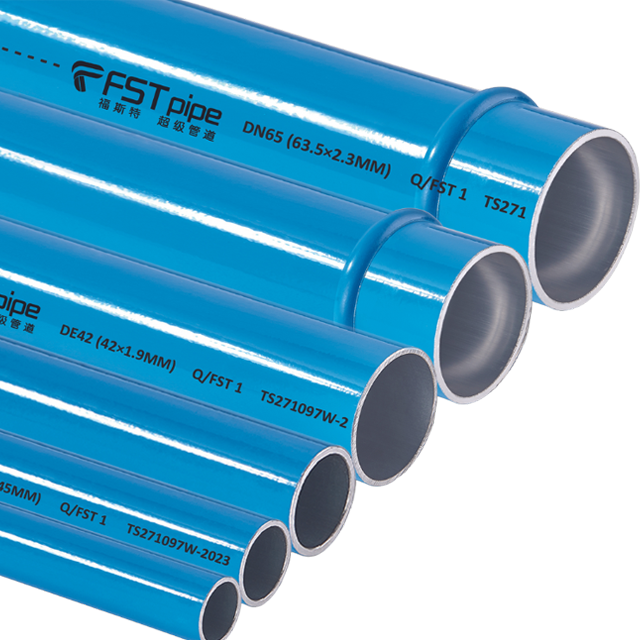
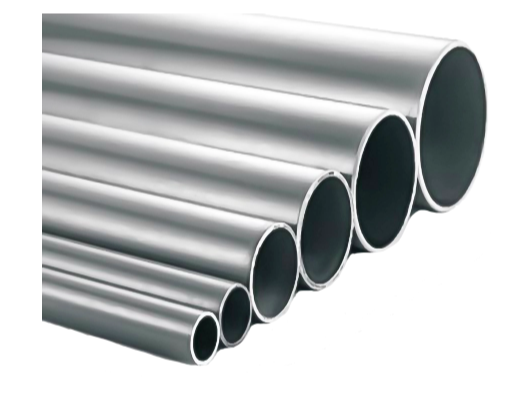
In modern industry, compressed air is often called the “fourth utility” because it is used so widely across manufacturing, processing, packaging, automation, assembly, and maintenance operations. Yet while compressors, dryers, and filters tend to receive a great deal of attention, the distribution network itself is often overlooked. This is where air piping systems become critically important. No matter how advanced the compressor may be, the real value of compressed air depends on how efficiently, cleanly, and reliably it reaches the point of use. A compressed air network is not simply a line of connected pipes. It is a complete engineered distribution system that must balance airflow, maintain pressure, control contamination, reduce leakage, manage condensate, and support the everyday rhythm of industrial production. If the piping system is poorly selected or badly laid out, the plant may experience hidden energy waste, unstable machine performance, higher maintenance demand, and long-term operating inefficiencies. On the other hand, a well-designed system can transform the performance of the entire compressed air infrastructure. This guide explores the full picture of air piping systems, from their basic function and essential components to design strategy, material selection, layout planning, maintenance priorities, and long-term value. It also examines why the aluminum air piping system has become one of the most discussed solutions in modern compressed air distribution. Whether you are planning a new installation or evaluating an existing network, understanding the complete logic behind compressed air piping can help you make more effective decisions. At the most basic level, air piping systems transport compressed air from the source of generation to the equipment and workstations where it is used. But this simple explanation only covers part of their function. In reality, a compressed air piping system is responsible for much more than air movement. It must preserve useful pressure, protect air quality, control the effect of moisture, and deliver air consistently across different areas of the facility. In many plants, compressed air serves multiple functions at the same time. It may power pneumatic tools in one department, operate automation cylinders in another, support packaging equipment in a third area, and provide process air for specialized applications elsewhere. The piping system must handle these different needs without creating unstable flow or excessive pressure drop. Because of this, compressed air piping should be thought of as infrastructure rather than simple plumbing. It is part of the production environment itself. A good system helps everything downstream work more smoothly. A poor one quietly creates inefficiencies that spread across the plant. Many production managers focus on compressor capacity and assume the distribution network is secondary. This assumption often leads to performance problems later. The compressor can only provide potential energy. The piping system determines how much of that energy is actually available in usable form at the machine level. When the piping network is poorly designed, the plant may compensate in inefficient ways. Compressor settings may be raised to overcome pressure losses. Additional filters or regulators may be installed to solve symptoms without addressing the root cause. Operators may begin to accept weak tool performance or inconsistent actuator response as normal. Over time, these issues become part of daily operations, even though many of them could be reduced through better piping design. A complete guide to air piping systems must therefore begin with a change in perspective. The piping network is not just a support element. It is one of the main determinants of compressed air performance, energy efficiency, maintenance practicality, and long-term system reliability. A compressed air distribution system includes several components, each with its own role in maintaining system efficiency and usability. Understanding these parts helps explain why piping design is a technical discipline rather than a simple installation task. The main header is the central backbone of the network. It carries compressed air from the compressor room or treatment area to the different parts of the facility. This section must be sized carefully because it handles the highest flow and has a major influence on overall pressure performance. Branch lines take compressed air from the main header and distribute it to departments, machine groups, or separate process zones. Their design should reflect the demand of the specific areas they serve. Drop lines deliver air down to individual machines, workstations, or point-of-use assemblies. They are often the final connection between the larger distribution network and the actual pneumatic equipment. Shut-off valves and sectional isolation devices are important for maintenance, repairs, and future modifications. Without them, even minor service work can require wider system shutdowns. Elbows, reducers, tees, couplings, unions, and connectors shape the flow path of the system. Although each fitting may look small, together they influence flow resistance, installation quality, and leakage risk. Compressed air systems need coordinated drainage, filtering, pressure regulation, and sometimes lubrication. The piping system must work in harmony with these treatment elements rather than function independently of them. One reason air piping systems require special attention is that compressed air behaves differently from liquid in a standard utility line. It is compressible, temperature-sensitive, and affected strongly by velocity, pressure, and moisture conditions. As compressed air moves through the piping network, it experiences resistance from the inner surface of the pipe, the total length of the route, and every change in direction or diameter. If the network is too restrictive, pressure decreases along the way. In some cases, air may still technically reach the endpoint, but not at the quality or pressure level required for reliable use. Compressed air also cools after compression, and as it cools, moisture can condense inside the system. This means pipe layout and drainage strategy are essential parts of design. A system that ignores condensate behavior may suffer from corrosion, contamination, and operational issues even if the pipe diameter is otherwise correct. For this reason, good piping design is not just about selecting a material. It is about understanding airflow, pressure dynamics, moisture behavior, and the real use conditions of the plant. The physical arrangement of the piping network strongly affects how the system performs in day-to-day operation. A complete guide should therefore include layout strategy, not just component selection. A dead-end system carries compressed air in one direction from the source through the network. It is relatively simple and may work in smaller facilities or basic installations. However, pressure can become less balanced at distant points, especially when multiple machines operate at once. A loop system allows air to travel around the network and reach many points from more than one direction. This helps stabilize pressure, improve flow distribution, and make the system more resilient during shifting demand. Some facilities divide the network into separate zones with local control and isolation. This makes maintenance more practical and can help manage different air requirements across departments. Among these layouts, loop-based systems are often preferred for medium and large facilities because they provide better operational balance. A well-executed loop can reduce pressure variation and support more stable delivery throughout the plant. Efficiency in air piping systems is about far more than simply moving air from one place to another. A truly efficient system reduces energy loss, supports reliable equipment performance, and avoids unnecessary operational burden. Pressure drop is one of the most important indicators of system performance. If too much pressure is lost in the network, the compressor must work harder to compensate. Lower pressure drop improves both energy use and point-of-use reliability. If air moves too quickly through the pipes, friction loss increases and moisture carryover becomes more difficult to manage. Proper sizing keeps air velocity within a practical range and improves overall flow behavior. Leaks are one of the most expensive hidden problems in compressed air infrastructure. Good material selection, fitting quality, and installation accuracy all contribute to lower leakage. A high-performing system can handle fluctuating use without creating major pressure instability in distant work areas. This matters greatly in busy manufacturing environments. Material selection has a long-term effect on system cleanliness, maintenance, lifespan, installation effort, and performance stability. Different materials may all be capable of carrying compressed air, but they do not all create the same operational result. Traditional steel piping has been used for many years in industrial plants. It offers strength and familiarity, but it also brings certain disadvantages, especially where internal corrosion and long-term contamination are concerns. In systems where moisture is present, steel can gradually develop rust and scale that affect both flow and air quality. Stainless steel is highly durable and resistant to corrosion, making it a strong option for environments where cleanliness and long service life are priorities. It is often used in more demanding sectors where contamination tolerance is low. The aluminum air piping system has become increasingly popular because it offers a strong balance of clean performance, easy installation, and long-term practicality. Aluminum piping is lightweight, corrosion-resistant, and designed in many cases as a modular system that can be modified more easily than traditional heavy pipe networks. Its smooth internal surface also helps preserve flow efficiency over time. Since it does not rust like ordinary carbon steel, it helps reduce contamination concerns and supports cleaner compressed air distribution. For many modern factories, this makes aluminum an appealing choice not only for new installations but also for replacing aging systems. The popularity of the aluminum air piping system is not based on one single benefit. It comes from the combination of several practical advantages that align well with today’s industrial priorities. Because aluminum is lightweight, it is easier to handle and install than many traditional alternatives. This can shorten project timelines and reduce installation difficulty, especially in large facilities. Corrosion inside a piping system affects both airflow and air cleanliness. Aluminum resists the type of rust buildup common in older steel systems, helping maintain a cleaner internal path. Factories often evolve. Machines move, lines are expanded, and new departments are added. Modular aluminum piping can make these changes easier to manage, which gives the system more long-term value. Although performance matters more than appearance, a clean and organized pipe network also helps with inspection, plant management, and general operational discipline. Any complete guide to air piping systems must emphasize moisture management. Even the best pipe material cannot compensate for poor condensate control. Compressed air naturally carries water vapor, and when the air cools, that vapor can condense into liquid inside the piping system. If moisture is not managed properly, it can lead to corrosion, contamination, poor tool performance, and damage to sensitive pneumatic components. That is why drainage strategy is part of system design, not merely an accessory consideration. Main lines are often installed with a slight slope so that condensate moves toward designated drain locations. Without intentional drainage planning, water can collect at low points and create repeated operating issues. Point-of-use connections should be designed so that condensed water does not flow directly into machines. Good drop configuration helps separate usable air from accumulated moisture. The piping system must work together with air treatment equipment. A well-designed distribution network supports the performance of dryers and filters rather than creating new contamination pathways downstream. A piping system should not only perform well on paper. It should also be manageable in real working conditions. Maintenance practicality is often underestimated during installation planning, but it becomes very important over the life of the system. A well-designed system should allow technicians to isolate sections, inspect key components, and carry out repairs without major disruption. Clear routing, accessible valves, and logically divided zones all contribute to easier maintenance. This is another area where a modular aluminum air piping system can offer value, especially in facilities that expect future changes or ongoing expansion. Inspection should also be part of routine system care. Leaks, loose supports, pressure inconsistencies, and drainage issues are easier to solve when they are found early. A clean, organized piping layout makes this far easier. Even well-intentioned projects can underperform if a few critical mistakes are made during design or installation. Small pipes may reduce upfront material cost, but they often create long-term pressure problems that increase operating expense. Excessive bends, unnecessary long routes, and poor branch logic all add resistance and complexity. A high-quality compressor cannot fully overcome the limitations of a poor distribution network. A system that cannot be expanded easily may become a costly obstacle when the business evolves. Leaks, poor alignment, weak supports, and contaminated assembly practices can undermine even a good design. The true value of air piping systems should be measured over years, not just at the moment of purchase. Initial material cost is important, but life-cycle value is often more significant. A cheaper system that causes pressure loss, contamination, and difficult maintenance may cost more over time than a better-engineered alternative. Businesses should therefore consider not only price, but also reliability, air quality support, adaptability, installation speed, maintenance simplicity, and long-term energy impact. When these factors are included, the logic behind investing in better materials and better design becomes much stronger. This is one reason the aluminum air piping system continues to gain attention in modern industry. Its appeal is not based only on material properties, but on the total operational value it can provide over the life of the plant. A complete understanding of air piping systems shows that they are much more than background infrastructure. They are the distribution framework that determines how effectively compressed air serves the plant. From layout and pressure stability to material selection, moisture control, maintenance access, and future expansion, every design choice affects system performance in practical ways. For businesses seeking reliability, efficiency, and cleaner long-term operation, the piping network should be treated as a strategic part of industrial planning rather than a secondary installation detail. This is also why the aluminum air piping system has become such an important solution in modern compressed air distribution. Its lightweight structure, corrosion resistance, clean internal condition, and modular flexibility make it especially suitable for factories that want both present-day performance and future adaptability. For companies looking for dependable pressure pipeline solutions, FSTpipe provides professional support in aluminum alloy and stainless steel systems, with capabilities covering design, production, sales, and installation consultation. Serving industries such as automotive, electronics, food, medicine, furniture, and aerospace, FSTpipe helps customers build compressed air piping networks that are cleaner, more efficient, and better prepared for long-term industrial growth. Air piping systems are used to distribute compressed air from the compressor and treatment equipment to machines, tools, workstations, and process areas throughout a facility. Their role is to deliver air efficiently while maintaining pressure and air quality. The piping system affects pressure drop, leakage, air cleanliness, moisture behavior, maintenance efficiency, and overall operating cost. Even a powerful compressor cannot perform well if the distribution network is poorly designed. An aluminum air piping system is a compressed air distribution network made from aluminum alloy pipes and matching components. It is valued for being lightweight, corrosion-resistant, easy to install, and suitable for long-term efficient airflow. For many medium and large industrial facilities, a loop or ring layout is often preferred because it supports more balanced pressure and more reliable air delivery. However, the best layout depends on the plant size, equipment arrangement, and demand pattern. Performance can often be improved by reducing leaks, reviewing pipe size, optimizing layout, improving drainage, upgrading treatment points, and considering more modern materials such as aluminum or stainless steel where appropriate.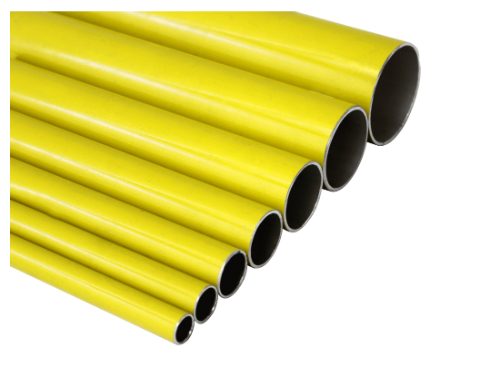
What air piping systems actually do
Why compressed air piping deserves more attention
The main parts of an air piping system
Main headers
Branch lines
Drop lines
Valves and isolation points
Fittings and connection hardware
Drainage and treatment interfaces
How compressed air behaves inside a piping system
Common layouts used in air piping systems
Dead-end layout
Ring or loop layout
Zoned distribution layout
What makes a piping system efficient
Low pressure drop
Controlled air velocity
Minimal leakage
Stable delivery across demand changes
Choosing the right material for the job
Steel-based systems
Stainless steel systems
The rise of the aluminum air piping system
Why aluminum piping has gained so much interest
Faster and easier installation
Cleaner internal condition over time
Better adaptability for future changes
Professional and organized system appearance
Moisture management in compressed air piping
Pipe slope and drain points
Drop-leg logic
Integration with dryers and filters
Maintenance and inspection considerations
Mistakes that reduce system performance
Undersizing the pipe network
Ignoring layout efficiency
Treating the piping as secondary to the compressor
Neglecting future growth
Overlooking installation quality
How to think about system value over time
Conclusion
FAQ
1. What are air piping systems used for?
2. Why is the piping system so important in compressed air applications?
3. What is an aluminum air piping system?
4. Which layout is better for air piping systems?
5. How can I improve the performance of an existing compressed air piping system?