Views: 0 Author: Site Editor Publish Time: 2026-07-23 Origin: Site
Industrial facilities universally rely on compressed air as their fundamental "fourth utility" for daily manufacturing operations. Unfortunately, outdated or poorly designed delivery networks routinely hemorrhage thousands of dollars annually. They lose money through unchecked energy waste, microscopic leaks, and severe pressure drops.
Upgrading an aging setup or installing brand new infrastructure requires careful calculation. Facility managers must strictly balance upfront material pricing against long-term operational efficiency. They must also weigh the mounting labor expenses inherently associated with traditional, heavy piping installations. Modern engineering teams face strict mandates to reduce carbon footprints. Therefore, selecting the most efficient transmission medium becomes incredibly critical.
In this comprehensive guide, we explore the distinct operational advantages driving the modern shift away from legacy materials like black iron and copper. You will discover how modular aluminum solutions actively optimize air quality. We will demonstrate how these modern systems streamline complex facility modifications. Ultimately, you will learn how they guarantee sustained, high-level system performance for decades.
Sustained Energy Efficiency: Aluminum’s corrosion-resistant interior maintains a smooth surface, preventing the friction and pressure drops common in degrading steel pipes.
Superior Air Quality: Eliminates rust and scale contamination, protecting sensitive downstream pneumatic equipment.
Modular Scalability: Push-to-connect and clamp fittings allow for rapid facility layout changes without threading, soldering, or prolonged downtime.
Legacy materials often conceal major operational flaws behind their familiar rugged exterior. Black iron pipe consistently degrades as it ages within an industrial setting. Compressed air inherently contains high levels of concentrated moisture. This persistent moisture constantly reacts inside uncoated steel pipes. It inevitably causes deep internal rust and severe scaling over time.
This rust creates a heavily textured, rough surface along the interior pipe walls. A rough surface drastically increases internal air friction. Consequently, the air slows down, resulting in noticeable pressure drops at the point of use. To compensate, operators frequently force compressors to work much harder. They artificially elevate the system pressure just to maintain the required output PSI. These compressors then consume significantly more electricity, heavily inflating monthly utility bills.
Furthermore, this constant material degradation introduces severe contamination risks. Abrasive particulate matter breaks loose from the inner pipe walls daily. Microscopic scale and rust travel downstream directly into your sensitive equipment. These abrasive contaminants aggressively damage expensive pneumatic tools. They destroy precision cylinder seals and rapidly overwhelm point-of-use filtration systems. You ultimately face premature equipment failure and highly expensive maintenance cycles.
Traditional piping systems also demand incredibly labor-intensive deployments. Installing thick black steel requires bulky, heavy threading equipment. Copper installations demand highly skilled brazing techniques. Both legacy processes consume massive amounts of costly labor time. Furthermore, welding or brazing triggers stringent safety compliance measures. You often need special hot work permits issued by facility safety officers. Facilities must assign dedicated fire watches during these specialized labor tasks. These antiquated installation methods drain routine maintenance budgets.
Upgrading to a modern Aluminum Air Pipe System provides immediate, measurable performance improvements. These advanced networks offer exceptional consistency and documented energy savings. Smooth, extruded aluminum possesses a remarkably low internal friction coefficient. It allows compressed gas to flow seamlessly without encountering surface resistance.
Stable pressure delivery directly correlates to heavily reduced compressor electrical consumption. The central compressor no longer battles internal pipe friction. You will notice significant utility savings compounded over a standard 10-year lifecycle. Many facilities recover their initial infrastructure investment purely through sustained electricity reductions.
Next, consider the incredible value of natural corrosion resistance. Aluminum protects your investment continuously.
Aluminum naturally forms an invisible, highly protective oxidation barrier instantly.
This chemical barrier prevents internal structural degradation entirely.
The delivery network consistently supplies clean, uncontaminated air to all endpoints.
Clean air directly extends the mechanical lifespan of your downstream pneumatic components.
Maintenance teams replace expensive point-of-use filters far less frequently.
Additionally, these modern pipes offer tremendous structural and architectural benefits. Aluminum is significantly lighter than both carbon steel and rigid copper. This massive weight reduction eliminates the strict need for heavy-duty hanging hardware. Installation teams can easily lift and maneuver long sections into place safely.
Lighter materials directly lower the overall structural stress applied to facility ceilings. You can securely suspend the entire network from standard, existing roof trusses. This specific advantage simplifies engineering approvals during new facility designs. It also prevents costly structural reinforcement requirements during building upgrades. You effectively streamline the entire mechanical engineering phase.
Evaluating comprehensive project budgets requires looking beyond simple per-foot material invoices. We openly acknowledge modern aluminum pipe systems carry a premium upfront price tag. However, this transparent material cost dynamically offsets a dramatic reduction in skilled labor hours. Traditional pipefitting strictly demands highly paid, certified specialists. Aluminum networks utilize highly intuitive, rapid assembly mechanics instead.
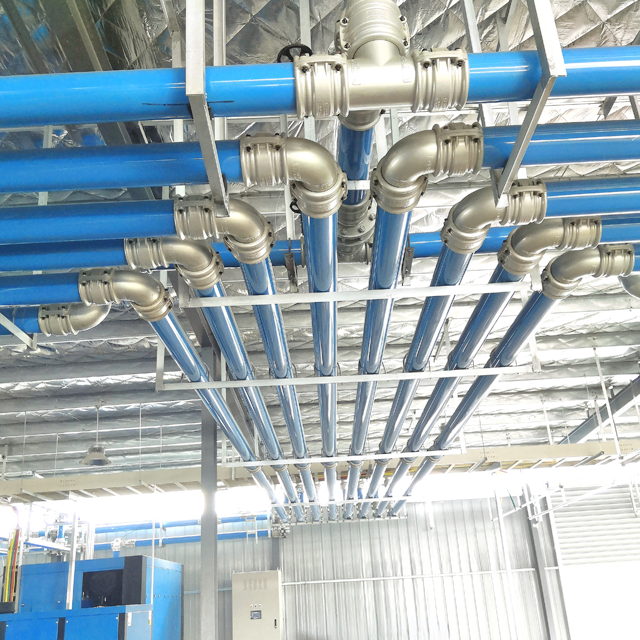
These networks rely entirely on simple mechanical connection methods. Installers primarily use specialized compression fittings or engineered clamping systems. These modern connectors completely eliminate complex thread cutting or hazardous open-flame brazing. Workers simply cut the pipe, deburr the edge, push the fitting, and secure the clamp.
This streamlined process reduces the daily need for heavy lifting equipment. Your assembly team will not require expensive pipe threading machines or messy cutting oils. The workspace remains exceptionally clean and completely hazard-free.
Faster installation directly translates to massive commercial savings. Factory plant retrofits or assembly line expansions often cause incredibly costly operational pauses. Aluminum networks minimize this facility downtime dramatically. Once your team completes the assembly, the system stands ready immediately.
You do not need to wait for harsh chemical adhesives to cure. There is absolutely no cooling time required for welded or brazed joints. You can safely pressurize the entire network and resume factory production instantly. This immediate return to operation actively protects your crucial manufacturing output schedules.
Engineers must carefully weigh objective material performance metrics before drafting facility specifications. Black iron suffers from guaranteed, measurable flow degradation over a 10-year span. Rust buildup constantly narrows the usable internal pipe diameter. Conversely, aluminum consistently delivers static, unchanging performance throughout its entire operational lifespan. Its internal smoothness never degrades, regardless of trapped atmospheric moisture. Heavy steel also forces cumbersome, threaded installations. Aluminum offers rapid, highly adaptable modular deployment.
Copper presents an entirely different set of commercial and practical challenges. Global commodity prices for industrial copper fluctuate wildly, complicating budget forecasts. High-value bulk copper also carries a severe, well-documented theft risk on unsecured jobsites. Physically installing copper requires specialized silver brazing labor and hazardous chemical fluxes. This adds unnecessary complexity and safety hazards to the project site. Aluminum mechanical fittings solve these exact labor constraints highly efficiently.
Finally, we must critically address PVC piping usage. Utilizing standard PVC for compressed gases remains fundamentally dangerous. Safety regulators heavily penalize industrial facilities using PVC for air transport. Compressed air causes rigid PVC structures to become highly brittle over time. A sudden pressure rupture creates deadly, explosive fragmentation risks. Sharp plastic shrapnel can severely injure nearby facility workers. Aluminum proudly stands out as the safe, modern, and legally compliant alternative.
Material Type | Primary Installation Method | Internal Corrosion Resistance | Compressed Gas Safety Status |
|---|---|---|---|
Aluminum | Push-to-Connect / Mechanical Clamps | Excellent (No Scaling) | Fully OSHA Compliant |
Black Steel | Heavy Threading / Welding | Poor (Severe Internal Rust) | Fully OSHA Compliant |
Rigid Copper | Open-Flame Brazing / Soldering | High (Minimal Oxidation) | Fully OSHA Compliant |
Standard PVC | Chemical Solvent Cement | High (Plastic Polymer) | Violates OSHA (Fragmentation Risk) |
Modern industrial manufacturing facilities demand incredibly strict adherence to unified safety standards. Visual utility identification plays a crucial, mandatory role in daily plant safety. International industry standards strictly designate specific colors for different overhead utility lines. Compressed air systems traditionally require highly visible blue color-coding. Inert manufacturing gases typically utilize green outer identifiers.
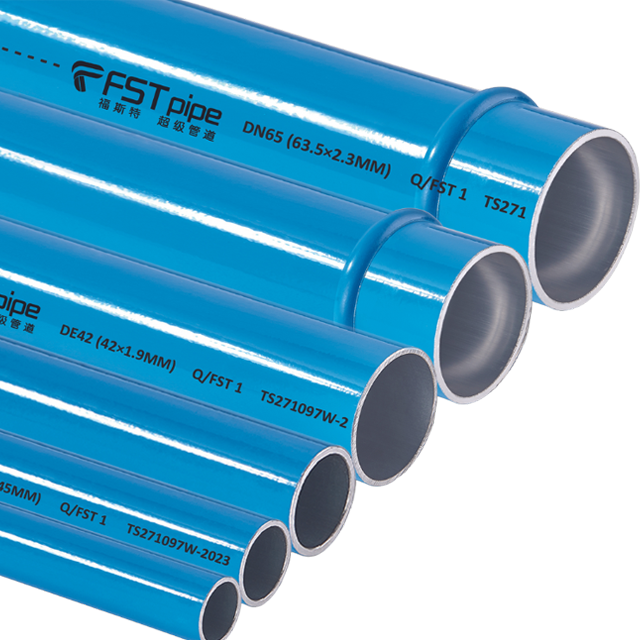
Installing genuine Blue Aluminum Alloy Pipe meets these strict compliance standards instantly. It completely eliminates the need for post-installation painting. This distinct coloration heavily simplifies facility management tasks and dramatically streamlines future safety audits.
These modular piping systems also adapt perfectly to inevitable, rapid facility changes. Factory production layouts rarely remain completely static. When you install new automated equipment, you need immediate utility access. Aluminum networks allow for incredibly easy "hot tap" or drop-leg additions.
Maintenance teams can seamlessly depressurize a zone and disassemble existing mechanical connections. They can effortlessly relocate and reuse the exact same pipes and fittings elsewhere. This remarkable, sustainable flexibility remains physically impossible if you rely on welded or permanently threaded steel systems.
Furthermore, industrial engineers require absolute confidence in maximum system durability. These advanced networks provide incredibly robust pressure and temperature ratings. Most standardized industrial aluminum setups easily handle typical operational limits around 232 PSI, or 16 bar. They also feature remarkably wide temperature tolerances suitable for aggressive, high-heat manufacturing environments. These industrial-grade baseline specifications assure facility planners of highly reliable, long-term operational performance.
Aluminum clearly emerges as the absolute optimal infrastructure choice for modern plants. It heavily excels whenever long-term energy efficiency and pristine clean air requirements take priority. The vast, immediate reductions in installation labor constraints easily outweigh the higher bare material costs. Upgrading your compromised air network radically transforms a leaky utility into a highly efficient corporate asset.
Buyers actively evaluating a comprehensive network upgrade should immediately take the following strategic steps:
Conduct a professional baseline energy audit to accurately measure current system pressure drops.
Request a detailed, transparent labor-to-materials cost breakdown from your certified installation contractors.
Evaluate various modular mechanical fitting options to perfectly match your unique facility configuration.
Plan small pilot drop-leg installations to physically test the system flexibility firsthand.
Taking these proactive measures ensures a highly smooth transition to a modern, high-performance pneumatic infrastructure.
A: Aluminum systems easily outlast traditional black iron setups. Black iron degrades internally from continuous moisture, creating rust and scaling within a few short years. Aluminum naturally forms an oxidation barrier. It actively prevents internal degradation and maintains a completely smooth surface. You can confidently expect a high-quality aluminum network to operate efficiently for several decades.
A: Yes. You can seamlessly integrate aluminum into existing factory infrastructure. Installers use specialized threaded or flanged adapter fittings. These specific adapters transition safely between different materials. They successfully prevent galvanic corrosion between the dissimilar metals. This allows you to expand older steel networks using modern aluminum drop-legs safely.
A: Certain extreme environments pose significant challenges for aluminum. You should avoid installing it in areas containing high concentrations of specific corrosive airborne chemicals. Highly caustic environments can aggressively attack the material. Furthermore, avoid environments experiencing extreme ambient heat exceeding manufacturer specifications. Always consult the technical datasheet for specific chemical and thermal tolerances.
A: Installing these modular networks requires a very minimal learning curve. Traditional certified pipefitting demands years of welding or threading experience. Aluminum setups rely entirely on intuitive push-to-connect or mechanical clamp fittings. Maintenance teams can securely join sections using basic hand tools. This simplicity drastically reduces the training time required for safe, immediate deployment.