Views: 0 Author: Site Editor Publish Time: 2026-07-04 Origin: Site
Industrial facilities rely heavily on compressed air systems to maintain daily operations. They power everything from automated assembly lines to heavy-duty pneumatic tools. Yet, operators often overlook the most vulnerable points in these networks: the joints. In compressed air systems, connection points are the primary source of leaks, pressure drops, and maintenance bottlenecks.
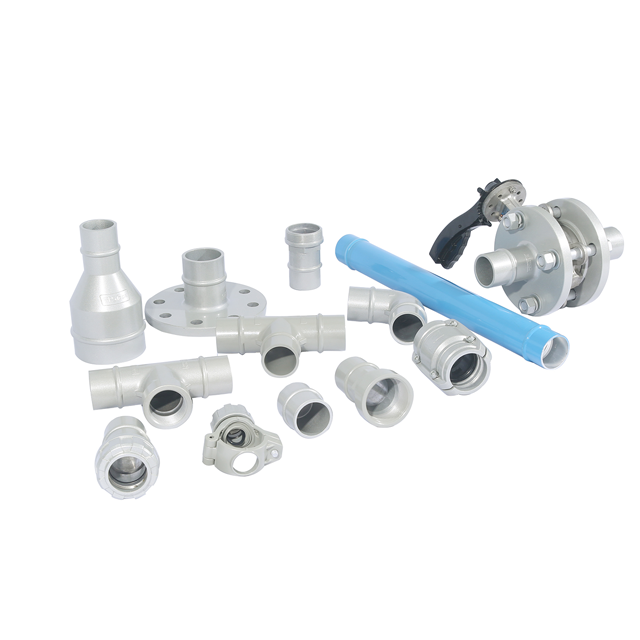
A pipe to pipe connector serves a highly critical function within an industrial pneumatic framework. It mechanically joins two segments of rigid or semi-rigid piping to maintain a flawless, airtight seal. We must view the selection of the right connector as more than a simple hardware purchase. It represents a strategic decision. This choice directly dictates your manual labor costs. It heavily reduces installation downtime. It fundamentally ensures your long-term energy efficiency.
In this article, you will learn how modern engineering transforms pipe joints. We will explore material choices, evaluate push-to-connect technologies, and outline key installation practices. You will discover exactly how to optimize your compressed air infrastructure for peak reliability.
System Integrity: The right pipe to pipe connector eliminates friction loss and prevents micro-leaks, stabilizing system pressure.
Labor Efficiency: Modern modular and push-to-connect designs drastically reduce installation time compared to traditional threading or welding.
Material Alignment: Matching the connector material (e.g., aluminum) to the piping prevents galvanic corrosion and internal scaling.
Decision Criteria: Procurement should be based on pressure ratings, precise Outer Diameter (OD) compatibility, and environmental compliance rather than upfront unit cost alone.
To fully optimize a compressed air network, we must understand the mechanical function of its joints. A pipe to pipe connector physically links two pipes in a pneumatic circuit. It must secure them tightly while maintaining a high-pressure seal. Compressed air constantly seeks an escape route. The connector relies on internal grip rings and precision O-rings to block these escape paths. It prevents pressure from escaping into the surrounding environment.
Engineers categorize these components based on their flow dynamics and structural purpose. We commonly divide them into two primary types.
First, we have the equal pipe to pipe connector. Installers use this component for standard linear extensions. Both pipe outer diameters remain absolutely identical. This design guarantees zero flow restriction across the joint. The air passes through without hitting a bottleneck. It maintains optimal velocity across long factory distances.
Second, we use reducing connectors. Facilities implement these to step down pipe sizes for branch lines. You might route air from a massive header pipe down to a smaller pneumatic tool. This transition requires careful calculation. If you reduce the diameter too quickly, you risk localized pressure drops. The connector must funnel the air smoothly to prevent turbulence.
Mismatched or inferior connectors introduce significant operational risks. They disrupt the laminar flow of the air. This disruption creates internal turbulence. Turbulence acts as invisible friction inside your network. It slows the air down. Your central compressor senses this pressure loss. It then works harder to push more air through the system. This increased compressor load directly inflates your monthly utility costs. You burn more electricity to achieve the exact same mechanical output.
Selecting the right piping material dictates the lifespan of your entire pneumatic system. Historically, facilities relied on heavy metals or plastics. Today, modern engineering points us toward superior alternatives. We must evaluate these materials based on their real-world performance.
Black iron and galvanized steel dominated early factory floors. These materials carry severe drawbacks. They remain highly susceptible to internal moisture. Compressors naturally produce condensation. This water interacts directly with iron walls. It causes rapid rust formation. This rust flakes off over time. It travels downstream and completely clogs sensitive pneumatic tools. Furthermore, steel is incredibly heavy. Installers find it labor-intensive to thread and hoist.
PVC presents an entirely different challenge. Many smaller shops try to use PVC for compressed air. You must avoid this practice. It introduces massive safety and compliance risks. OSHA strictly restricts PVC for compressed gases. The plastic turns brittle under pressure. If struck, PVC shatters like a fragmentation grenade. It sends sharp shrapnel across the workspace.
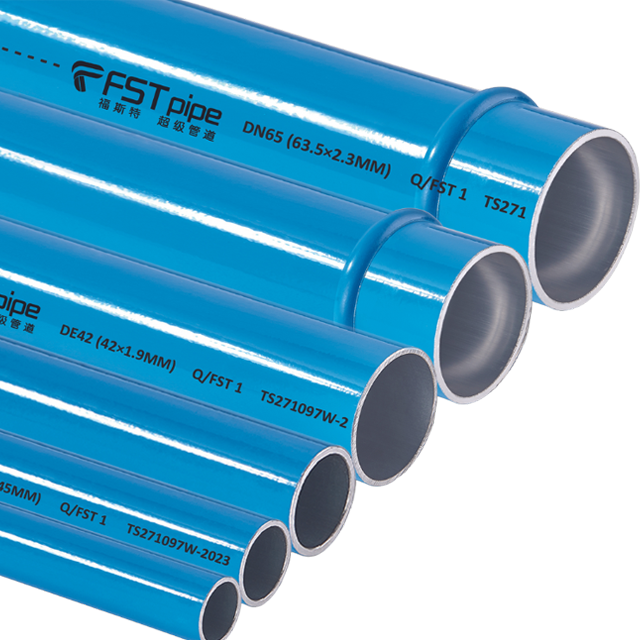
Modern facilities now prioritize the aluminum pipe connector. Aluminum solves the primary flaws found in legacy materials. It offers exceptional corrosion resistance. Aluminum does not rust or scale internally. It maintains a perfectly smooth internal bore. This smoothness guarantees consistent laminar flow for decades.
Aluminum also provides an incredible weight-to-strength ratio. It is significantly lighter than traditional steel. Your installation team needs less heavy machinery. They require fewer structural supports during high ceiling installations. Additionally, material alignment matters. When you pair aluminum fittings with aluminum tubing, you mitigate thermal expansion risks. They expand and contract at the exact same rate. This synchronization prevents the seal from breaking during extreme temperature shifts.
Material Type | Corrosion Resistance | Weight Profile | Safety Risk Level | Flow Efficiency |
|---|---|---|---|---|
Black Iron / Steel | Low (Prone to rust) | Very Heavy | Low (Mechanically strong) | Decreases over time |
Standard PVC | High (No rust) | Lightweight | Very High (Shatter risk) | Maintains smooth bore |
Aluminum | Excellent (No scaling) | Lightweight | Low (High safety rating) | Consistently High |
Installation labor often consumes a massive portion of any infrastructure budget. Facility managers constantly seek ways to accelerate deployment. Modern mechanical connectors fundamentally change how teams build air networks.
Traditional pipe joining relies heavily on aggressive methods. Installers use welding, threading, and soldering to secure steel pipes. These techniques require specialized tradespeople. They demand costly hot work permits. You must clear the factory floor of flammable materials. Threading machines require constant lubrication and heavy physical effort. Modern mechanical fastening eliminates these archaic requirements entirely. You no longer need fire watches or heavy threading dies.
Compression fittings and push-to-connect systems rely on intelligent internal engineering. You simply push the pipe into the fitting. Internal mechanisms immediately take over.
The Grip Ring: Stainless steel teeth bite firmly into the outer wall of the pipe. They lock the pipe in place and prevent blowouts.
The O-Ring Seal: A specialized elastomer ring compresses around the pipe. It creates an instant, airtight barrier against high-pressure leaks.
The Locking Nut: Installers tighten the exterior nut. This action compresses the internal components further, finalizing the mechanical bond.
Consider the core labor metric here. These intuitive mechanisms reduce installation time drastically. Teams often finish modifications up to 50% faster compared to traditional threading. You cut labor hours in half.
Factory floor layouts change frequently. You might add a new assembly line. You might relocate heavy machinery. Modern connectors offer unmatched modularity for these scenarios. Facility managers can safely depressurize specific zones. They can easily uncouple the fittings using basic hand tools. Teams can then re-route the existing piping. They reconnect everything without wasting any original materials. You achieve a highly scalable system.
You cannot purchase pneumatic fittings blindly. Different manufacturing environments demand different component specifications. You must evaluate several critical technical criteria before sourcing your hardware.
Always verify the maximum working pressure of your chosen connector. You measure this in PSI or Bar. The fitting must comfortably exceed your compressor's peak output. You must also account for sudden pressure spikes. Valves open and close rapidly in automated systems. These actions create shockwaves inside the pipe. Your connector needs a high safety margin to absorb these spikes without failing.
Evaluate both the ambient room temperature and the compressed air temperature. Compressors generate intense heat during operation. You must verify your seal materials based on this thermal exposure.
Nitrile (NBR): Standard material. Excellent for basic factory temperatures and general air utility.
FKM (Viton): High-performance material. Vital for extreme heat environments or proximity to hot compressor exhausts.
Engineers constantly warn against mixing metric and imperial sizing systems. An imperial pipe might look visually similar to a metric fitting. However, a millimeter difference guarantees a catastrophic leak. Precise Outer Diameter (OD) compatibility remains strictly non-negotiable. Always measure the pipe OD with digital calipers before ordering fittings. The internal O-ring requires an exact surface match to function correctly.
Air compressors often pass tiny amounts of lubricating oil into the airstream. These synthetic compressor oils travel through the line. They coat the inside of your pipes. Inferior rubber seals degrade quickly when exposed to synthetic lubricants. They swell, crack, and eventually fail. You must ensure your connector utilizes oil-resistant elastomer seals. This step prevents slow, hidden leaks behind your factory walls.
Even the highest-quality fittings will fail if installed incorrectly. Human error accounts for the vast majority of compressed air leaks. You must train your teams on specific installation best practices.
You cannot simply cut a pipe and shove it into a fitting. The pipe ends require meticulous preparation. You must chamfer the outer edge. You must deburr the internal edge. When you cut metal or hard plastic, it leaves razor-sharp burrs. If you insert a sharp edge into a push-to-connect fitting, it acts like a knife. It will slice right through the internal O-ring. This damage causes an immediate or severely delayed leak. Always use a dedicated deburring tool before insertion.
Installers often fail to push the pipe far enough into the fitting. It might pass the grip ring but fail to reach the sealing mechanism. You must prevent this error systematically. Use a specialized depth gauge. Mark a clear insertion line on the outside of the pipe using a marker. Push the pipe into the fitting until the drawn line disappears. This visual verification guarantees it has seated fully into the internal O-ring.
Pipes carry significant weight, especially over long distances. If they sag, they pull unevenly on the joints. We call this side-load stress. You must manage this physical burden correctly. Advise your installation teams on proper pipe hangar spacing. Place secure brackets immediately before and after any major connector. This support prevents mechanical fatigue. It stops the pipe from sagging and twisting the seal out of alignment. Proper structural support preserves joint integrity over decades.
High-quality pipe connections represent a vital upfront investment for any industrial facility. They eliminate hidden air leaks. They drastically reduce manual installation labor. They grant you the flexibility to adapt your factory layout on demand. You secure long-term energy savings by maintaining perfectly sealed, high-pressure lines.
Take immediate steps to upgrade your infrastructure. Audit your current piping materials today. Calculate your specific working pressure and temperature requirements. Review technical specification sheets thoroughly. By executing these actions, you can confidently shortlist the precise connector series needed to modernize your pneumatic network.
A: No. Water pipe connectors lack the strict pressure ratings required for compressed air. Compressed gas stores explosive energy. Using unapproved materials like standard residential PVC or basic water fittings creates severe shatter risks. Always use dedicated pneumatic connectors engineered specifically for high-pressure air circuits.
A: First, safely depressurize the entire line. Never work on a live high-pressure system. Uncouple the fitting and inspect the pipe end. Look for deep scratches, improper chamfering, or a sliced internal O-ring. Cut a fresh, clean section of pipe. Deburr the edges carefully, then reinsert it to the correct depth mark.
A: A high-quality, full-bore equal connector causes virtually zero pressure drop. It maintains the exact same inner diameter as the piping itself. This seamless transition prevents internal air turbulence. The air flows smoothly across the joint, ensuring your system maintains maximum velocity without forcing the compressor to work harder.
A: Internal seals typically last between 10 to 15 years under normal factory conditions. Their precise lifespan depends heavily on operating hours and temperature stability. Exposure to extreme heat or incompatible synthetic compressor oils can degrade standard elastomer seals much faster. Always match your seal material to your specific environment.