Views: 0 Author: Site Editor Publish Time: 2026-08-12 Origin: Site
Transitioning from legacy materials like black iron or copper to aluminum is not just a maintenance swap. It represents a highly strategic operational upgrade for any industrial facility. Traditional networks often hide significant inefficiencies. These silent issues quickly erode your profit margins. Pressure drops, rampant air leaks, and internal pipe scale actively damage downstream pneumatic tools. They also inflate energy bills tremendously. These hidden problems strain compressors and demand constant maintenance.
This guide cuts through common marketing claims. We will reveal the core engineering behind these modern setups. We will evaluate how aluminum systems function mechanically. You will discover their concrete structural advantages. We will also explore the actual financial realities of implementation. This knowledge empowers you to make a data-driven, highly effective upgrade decision.
Aluminum air piping systems eliminate internal corrosion, maintaining laminar airflow and reducing compressor energy consumption over time.
While upfront material costs are typically higher than traditional metals, modular "push-to-connect" fittings drastically reduce specialized labor costs and facility downtime.
Unlike PVC (which poses severe OSHA safety risks) or black iron (which scales and degrades), aluminum guarantees clean air delivery to sensitive pneumatic equipment.
Evaluating a system requires analyzing total cost of ownership (TCO), focusing on modularity, leak-free guarantees, and system scalability.
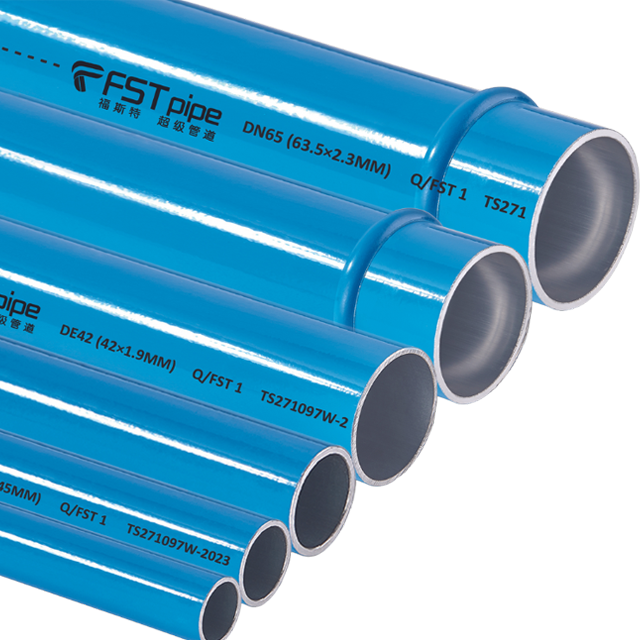
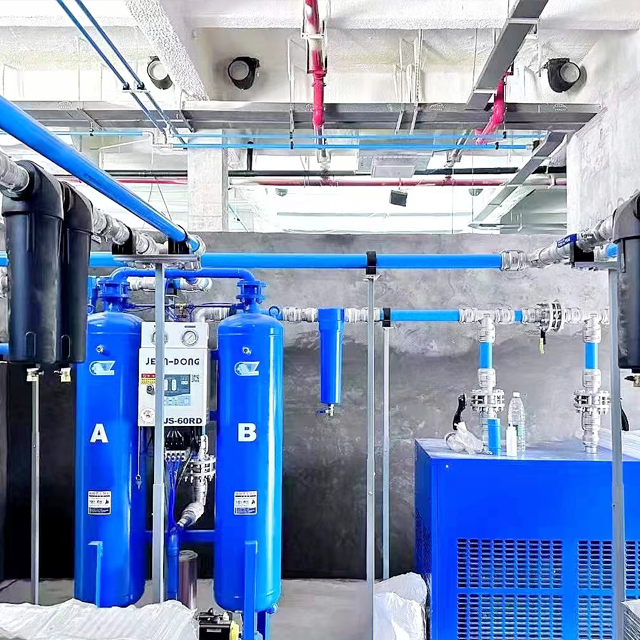
Modern industrial facilities rely heavily on efficient fluid dynamics. An Aluminum Air Piping System delivers optimized airflow through precise engineering. The system architecture depends on three core components. These include extruded aluminum pipes, modular fittings, and integrated drop columns. Manufacturers extrude the aluminum to exact tolerances. This creates a rigid, lightweight conduit. Modular fittings then link these conduits together. These include push-to-connect designs and mechanical lug setups. Integrated drop columns bring the air down to the workstation level. They ensure tools receive consistent pneumatic power.
Fluid dynamics play a crucial role in system efficiency. Smooth internal pipe surfaces promote laminar flow. Laminar flow means the air travels in straight, parallel layers. It encounters very little friction against the pipe walls. We can contrast this directly against rusting black iron. Iron develops a rough, scaly interior over time. This roughness creates a high friction coefficient. The resulting turbulent airflow forces your compressor to work much harder.
Connection mechanisms define the actual assembly process. Advanced sealing technology replaces outdated joining methods. These systems utilize dual O-rings or positive engagement rings. These seals lock onto the pipe exterior securely. They maintain perfect pressure integrity under heavy loads. You never have to worry about threading heavy pipes. You avoid soldering joints or gluing messy plastic. The mechanical grip provides immediate structural stability.
Air quality protection is another mechanical advantage. Compressors inevitably introduce tiny amounts of oil and moisture into the lines. Legacy pipes react poorly to these contaminants. Iron rusts, flaking debris directly into the air stream. Aluminum resists this degradation entirely. The smooth walls keep oil and moisture from corroding the metal. This operational reality protects your expensive downstream valves. It also extends the lifespan of sensitive pneumatic cylinders.
Evaluating an upgrade requires looking beyond initial material tags. You must understand how different materials perform over decades. Steel offers undeniable durability and low initial material pricing. However, steel hides massive secondary expenses. You must rent or buy heavy threading equipment. You need specialized labor to maneuver the heavy weight. You also need mandatory pipe suspension engineering to support the heavy load. Most importantly, internal scaling and rust are inevitable. This rust destroys pneumatic tools over time.
Copper presents a different set of challenges. Copper delivers excellent performance and resists corrosion well. Many legacy systems rely on it. However, extreme volatility in copper commodity pricing makes budgeting difficult. Installing copper also requires highly skilled labor. Brazing and soldering take significant time. Open flames require strict safety protocols and hot work permits. These requirements slow down facility upgrades drastically.
PVC presents a catastrophic safety hazard. We must state unequivocally: PVC should never carry compressed air. OSHA heavily penalizes its use in these applications. PVC becomes brittle over time. When it fails under pressure, it explodes. It sends sharp plastic shrapnel across the factory floor. The risk of severe employee injury outweighs any perceived cost savings. Always choose metallic Compressed Air Piping for industrial environments.
The financial crossover point usually happens much sooner than facility managers expect. Aluminum wins overwhelmingly on installation speed. Zero threading means mechanics work rapidly. The lightweight material requires fewer people to lift and secure. Long-term energy savings further justify the investment. Stabilized CFM (Cubic Feet per Minute) reduces the electrical load on your compressor. The upfront material premium disappears quickly when you factor in these continuous daily savings.
Material Performance Breakdown | ||||
Material Type | Installation Speed | Corrosion Resistance | Safety Compliance | Weight Profile |
|---|---|---|---|---|
Aluminum | Very Fast | Excellent | High (OSHA Compliant) | Lightweight |
Black Iron | Slow | Poor (Rusts heavily) | High | Very Heavy |
Copper | Moderate | Excellent | High | Moderate |
PVC | Fast | Excellent | None (Explosion Hazard) | Lightweight |
Selecting the right product requires a systematic approach. Decision-makers must evaluate several technical criteria before issuing a purchase order. Focusing on engineering metrics ensures long-term reliability.
Energy Efficiency and Pressure Drop: You must evaluate a system based on its ability to minimize pressure loss. Look closely at the pressure drop per 100 feet of pipe. A common industry rule of thumb applies here. Every 2 PSI drop costs roughly 1% more in compressor electrical energy. Smooth aluminum walls keep this pressure drop incredibly low.
Leak Prevention and Sealing Reliability: Assess the underlying fitting design carefully. Leaks force compressors to run continuously. Look for systems featuring proven vibration resistance. Industrial environments shake and rattle constantly. The seals must also handle thermal fluctuation tolerance. The O-rings should not degrade when temperatures shift rapidly.
Modularity and Facility Agility: Factories evolve constantly. Production lines move. You must evaluate how easily the system adapts. Modern setups allow for "hot taps." You can drill and add a drop line without dismantling the entire network. Compare this agility to the rigid permanence of welded steel. Steel requires grinding, welding, and threading for every minor modification.
Compliance and Certifications: Industrial environments demand rigorous safety standards. Check the manufacturer specifications for proper regulatory compliance. Verify ASME, UL, or ISO certifications depending on your regional requirements. Proper certification ensures the components can handle the stated burst pressures safely.
Understanding the installation process helps you avoid costly delays. The labor realities of modern modular systems are highly favorable. Contractors routinely report a 50% reduction in installation time. Teams do not need specialized threading tools. They do not need to pull hot work permits for welding. The lightweight handling means smaller crews can accomplish more work. One person can easily lift a 20-foot section of pipe. This drastically reduces overall project labor hours.
However, you must practice proper risk mitigation. Thermal expansion represents a very common implementation oversight. Aluminum expands and contracts as ambient temperatures change. You cannot simply bolt it rigidly to a wall. You must address this physical reality during the design phase. Installing expansion loops absorbs this movement safely. Proper bracket spacing allows the pipe to glide slightly. Ignoring these steps leads to buckled pipes and blown seals.
Galvanic corrosion presents another significant risk. Many facilities mix new pipe with existing legacy infrastructure. You must exercise caution regarding mixed-metal installations. Connecting aluminum directly to copper or steel triggers a chemical reaction. The moisture in the air acts as an electrolyte. This reaction corrodes the aluminum rapidly. Always use proper dielectric unions. These specialized fittings isolate the metals electrically. They completely prevent galvanic decay.
Structural support demands attention as well. The extreme ease of hanging lightweight sections often tempts installers. They might extend span lengths beyond manufacturer recommendations. They do this to save money on brackets and hardware. This is a critical mistake. Over-spanning causes the pipe to sag over time. Sagging creates traps where moisture collects. Always follow the exact bracket spacing guidelines provided by the manufacturer. This ensures a rigid, perfectly pitched network.
Always deburr the cut pipe ends to prevent O-ring damage during insertion.
Mark the insertion depth on the pipe exterior to guarantee full seal engagement.
Pitch the main header lines slightly toward moisture drain valves.
Install isolation valves at every major network branch to simplify future maintenance.
Specifying the exact components requires careful calculation. Sizing the network correctly prevents bottlenecks. You must calculate the ideal pipe diameter based on several factors. First, determine the maximum required CFM for all downstream tools. Next, measure the total pipe run length across the facility. Finally, factor in your target operating pressure. Pushing too much air through a narrow pipe increases velocity dramatically. High velocity creates friction, which immediately causes pressure drops. Upsizing the main header pipe slightly often yields excellent long-term efficiency.
Ecosystem completeness separates premium brands from budget options. We urge buyers to examine the manufacturer’s entire catalog thoroughly. A complete system goes beyond straight pipes and elbows. Do they manufacture the necessary reduction valves? Do they offer specialized wall brackets? Can they supply flexible hoses to isolate compressor vibration? Do they have multi-port manifold drops for workstations? Mixing different brands often voids warranties. Procuring a single, unified ecosystem guarantees perfect component compatibility.
Warranty coverage and supply chain availability matter immensely. Evaluate the importance of long-term manufacturer guarantees. Look for companies offering 10-year leak-free warranties on their fittings. This demonstrates supreme confidence in their sealing technology. Furthermore, investigate domestic parts availability. If a forklift damages a drop line, you need replacement parts immediately. Relying on overseas shipping causes unacceptable production delays. Choose a partner with robust local distribution networks.
An advanced modular piping network serves as a profound upfront investment in operational efficiency. It easily offsets its initial material premium. It achieves this through massive labor savings during installation. Furthermore, it guarantees permanent energy reduction by eliminating leaks and pressure drops. Facility managers no longer have to battle rust, scale, or dangerous plastic failures. The system delivers clean, consistent power to every pneumatic tool on the floor.
Stop letting inefficient infrastructure drain your maintenance budget. Schedule a comprehensive facility assessment today. Request a detailed pressure drop calculation from a certified technician. Contact a pneumatic engineer to size your exact CFM requirements. Upgrading your air network is the fastest path to stabilizing your daily operational overhead.
A: Materially yes, but it is fundamentally cheaper overall. When factoring in specialized labor, heavy threading tools, and long-term energy savings, aluminum costs significantly less over its lifecycle. Black iron demands constant maintenance and increases your compressor electrical costs due to internal friction.
A: Yes, you can easily integrate them. You must use proper threaded adapter fittings and dielectric isolators. These isolators separate the dissimilar metals. This prevents galvanic corrosion, ensuring both the old and new sections remain structurally sound.
A: These systems focus on a complete lack of degradation. They typically outlast the air compressors themselves. Because they do not rust or scale, they offer decades of reliable service. Most premium manufacturers carry 10+ year warranties on the fittings alone.
A: No threading or brazing is required. You only need basic hand tools. A standard pipe cutter, a deburring tool, and basic wrenches or spanners are sufficient. This simplicity allows maintenance teams to perform rapid installations or quick modifications safely.