Views: 0 Author: Site Editor Publish Time: 2026-06-26 Origin: Site
Factory infrastructure often hides a massive, invisible expense. Pressure drops and leaks in aging air lines quietly inflate energy bills by up to 30 percent. You might not see these microscopic leaks, but your utility bills reflect them every single month. Many facility managers still rely on traditional materials like black iron, galvanized steel, or copper. However, upgrading to modular aluminum is a strategic business decision today. It directly improves operational efficiency, eliminates recurring maintenance bottlenecks, and stabilizes pressure. This shift represents much more than a simple technical upgrade. This guide provides a transparent, evidence-based approach to evaluating an aluminum air piping system. We will explore how to maximize return on investment and mitigate implementation risks during major facility upgrades. You will learn exactly why modern plants are leaving legacy metals behind.
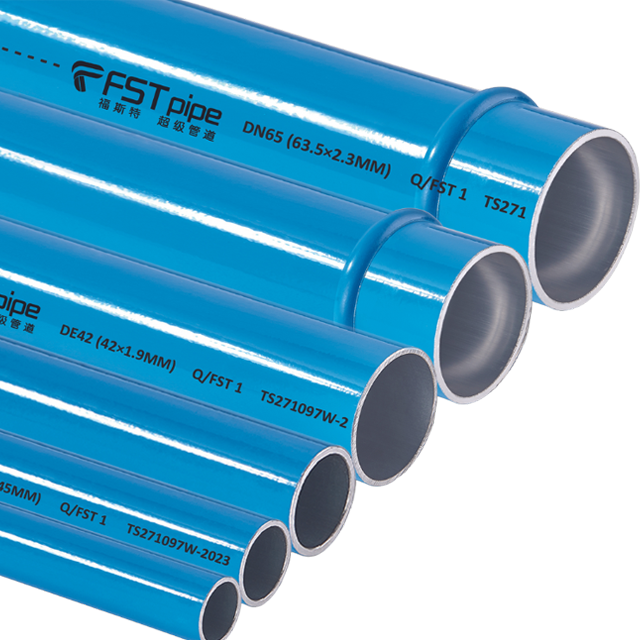
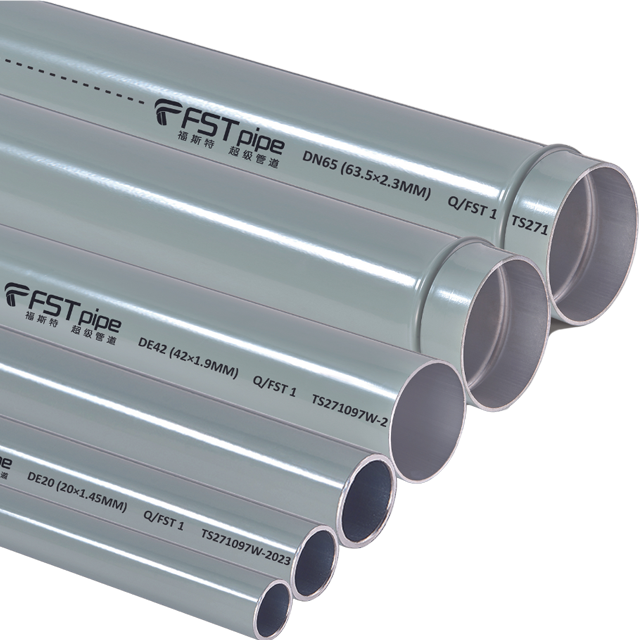
Core Definition: Aluminum compressed air piping is a modular, lightweight, non-corrosive network designed to maintain optimal laminar airflow and eliminate scaling.
Financial Impact: While initial material costs can be higher than traditional steel, ROI is typically achieved rapidly through a 40–50% reduction in installation labor and long-term energy savings.
Operational Agility: Push-to-connect and compression fittings allow facilities to modify layouts or add drops with minimal downtime, without the need for threading or brazing.
Decision Matrix: Selecting the right system requires matching facility pressure demands, evaluating O-ring chemical compatibility, and verifying manufacturer warranties.
Moisture inside a compressed air network constantly reacts with exposed iron. Galvanized steel and iron pipes inevitably corrode internally over time. This continuous scaling creates severe internal friction along the pipe walls. Friction causes massive pressure drops across your entire facility. Consequently, your expensive air compressors must work significantly harder to maintain adequate pressure. Eventually, toxic rust particulates detach and travel downstream toward your production floor. These microscopic flakes easily clog filters and destroy sensitive pneumatic tools. This contamination ultimately causes premature equipment failure and unexpected operational downtime.
Copper piping presents a very different set of challenges. We recognize copper for its excellent anti-corrosive properties. It keeps the air relatively clean. However, it presents a massive labor barrier for modern facilities. Installing copper requires highly skilled tradespeople. Soldering and brazing demand specialized hot work permits. These requirements slow down project timelines considerably. Furthermore, the heavy weight of copper pipes complicates overhead installations. You must utilize specialized rigging equipment and heavy-duty structural supports. This inflates project labor costs far beyond acceptable margins.
Some managers attempt to use standard PVC to cut material costs. This decision introduces a catastrophic safety hazard. The Occupational Safety and Health Administration (OSHA) strictly prohibits standard PVC for compressed gases. PVC becomes incredibly brittle over time. When PVC fails under high pressure, it literally shatters. This creates a severe risk of explosive plastic shrapnel. Such incidents threaten worker safety and expose companies to massive liability.
Modern factories simply cannot afford these compounding liabilities. You need a reliable, modernized solution. Facilities require an infrastructure completely free of internal contamination. You need systems that avoid expensive, specialized installation labor. Most importantly, you must eliminate explosive safety risks entirely. Upgrading to a modern aluminum compressed air pipingcompressed air pipe system resolves these legacy issues permanently.
Structural integrity serves as the foundation of any reliable pneumatic network. Manufacturers design extruded aluminum tubing to handle intense industrial demands. Extruded aluminum offers a perfectly smooth internal bore. This surface maintains an extremely low friction coefficient over decades of use. Low friction ensures consistent Cubic Feet per Minute (CFM) delivery. Air flows seamlessly from the compressor room directly to the point of use. You eliminate the turbulence commonly found in rough steel pipes. This laminar airflow protects your downstream equipment from pressure starvation.
Modular fitting technology completely transforms the installation process. You can forget about threading heavy steel pipes forever. Modern systems utilize push-to-connect, grooved, or advanced compression fittings. Installers simply push the prepared pipe directly into the engineered fitting. They lock the connection using basic hand tools. No specialized threading machines are necessary. This modular approach drastically reduces the physical strain on your maintenance team.
Zero-leak environments depend entirely on robust sealing mechanisms. High-grade O-rings provide this crucial environmental barrier. Manufacturers typically construct these seals from Nitrile or Viton materials. They securely lock the pressurized air inside the system. They also prevent external ambient moisture from penetrating the lines.
What to watch out for: You must carefully match your O-ring material to your specific compressor oil. Certain synthetic oils can degrade standard seals over time. Polyalkylene Glycol (PAG) or Polyol Ester (POE) oils require chemically compatible seals. Verifying this compatibility prevents catastrophic seal degradation and subsequent leaks.
Facility managers must look beyond the initial price tag per foot. You must evaluate the upfront capital expenditure against the overall lifecycle cost. Aluminum raw materials definitely cost more than standard black iron. However, your overall project costs often drop significantly. You completely eliminate expensive threading tools and hot work permits. Facilities achieve rapid return on investment through drastically reduced labor hours. A typical installation takes half the time of a threaded steel project. You start saving money before you even turn the compressors on.
Energy efficiency metrics strongly favor smooth-bore materials. A frictionless interior directly reduces your compressor workload. Fewer internal pressure drops mean lower electrical consumption. The US Department of Energy frequently highlights compressed air as a major factory expense. Every single PSI of pressure drop increases energy costs by roughly one percent. Aluminum piping prevents these costly pressure drops entirely. Your compressors can run at lower set points while delivering identical performance. These energy savings accumulate rapidly month after month.
Maintenance reduction provides another massive financial advantage. Threaded steel joints constantly loosen and leak due to machine vibration. Maintenance teams spend countless hours patching these unreliable threaded connections. Modular aluminum fittings provide incredibly tight, vibration-resistant seals. They eliminate the constant need for joint tightening and leak patching.
Material Type | Installation Speed | Corrosion Resistance | Energy Efficiency | Safety & Compliance |
|---|---|---|---|---|
Aluminum | Fast (Push-to-connect) | Excellent (No scaling) | High (Low friction) | High (OSHA compliant) |
Galvanized Steel | Slow (Threading required) | Poor (Internal rust) | Low (High friction) | High (Structurally sound) |
Copper | Very Slow (Brazing needed) | Excellent | Medium | High (Hot work risks) |
Standard PVC | Fast (Glue fittings) | Excellent | Medium | Non-Compliant (Explosion hazard) |
The speed of rollout is a primary driver for adopting this technology. Practical installation advantages become obvious on the very first day. The pipes are incredibly lightweight and easy to handle. A single technician can easily maneuver a 20-foot section overhead. Contractors do not need to secure complex hot work permits. You avoid threading heavy, cumbersome pipes altogether. This eliminates the messy oil shavings associated with pipe threading machines. A cleaner installation environment reduces cleanup time and promotes workplace safety.
Modern manufacturing demands absolute facility scalability. Production lines change constantly. You must frame your infrastructure as a future-proof investment. Modular systems excel in dynamic industrial environments. Maintenance teams can easily perform modifications. You can add new drop legs for expanding production lines rapidly. A small team can complete major layout changes over a single weekend. You avoid tearing down existing infrastructure or halting mid-week production.
Transitioning existing systems does not require a complete facility tear-down. Upgrading your infrastructure can happen in planned, manageable stages. Aluminum systems can seamlessly connect to existing steel or copper networks. Manufacturers provide specialized threaded adapter fittings for this exact purpose.
Follow these standard steps for phased integration:
Audit the Existing Network: Identify the sections of steel pipe suffering from the worst pressure drops.
Isolate the Zone: Shut off the localized valve to depressurize the targeted replacement area.
Install the Adapter: Thread a specialized NPT or BSP adapter onto the healthy section of the legacy pipe.
Connect the Aluminum: Push the new lightweight tubing directly into the adapter fitting.
Test for Leaks: Repressurize the system slowly and verify the integrity of the hybrid connection.
You must evaluate specific performance criteria before selecting a brand. Every facility has unique operational requirements. Check the maximum operating pressure ratings carefully. Verify acceptable temperature ranges for both the pipes and the fittings. Ensure the system handles your peak vacuum capabilities if necessary. A system rated for standard shop air might fail under high-pressure applications. Always cross-reference your specific compressor output with the manufacturer's technical specifications.
Safety compliance remains the top priority during procurement. Shortlisted brands must meet strict, recognized industrial regulations. You should actively look for ASME/CRN certifications. Verify applicable UL ratings for specific industrial environments. Purchasing non-certified piping exposes your facility to severe regulatory fines. It also voids insurance policies in the event of an accident. Trusted manufacturers publish their compliance certificates openly on their websites.
You should heavily evaluate vendor support and long-term warranties. The best manufacturers offer substantial engineering value-adds. Seek vendors offering comprehensive 3D CAD layout services. Flow-rate sizing calculators are incredibly helpful during the planning phase. These tools prevent costly under-sizing mistakes. Always demand comprehensive defect warranties.
Common mistakes when specifying a system:
Ignoring future expansion plans and sizing the main header too small.
Failing to account for thermal expansion and omitting necessary expansion loops.
Mixing components from different manufacturers, which instantly voids system warranties.
Neglecting to install proper condensate drains at the lowest points of the network.
Choosing an advanced modular piping solution is a direct investment in energy efficiency. It gives your facility unparalleled operational agility. You eliminate the hidden costs of friction, rust, and constant leak repair. Plant managers can easily adapt their pneumatic infrastructure as business needs evolve.
We advise decision-makers to look far beyond the initial price tag per foot. You must calculate the total installed cost, including labor reductions. Project your energy savings over a standard five-year operational window. The financial argument for upgrading becomes undeniable once you analyze the complete lifecycle.
Take proactive steps to modernize your facility today. Request a comprehensive system sizing audit from a certified application engineer. Download technical specification sheets to verify chemical compatibilities. Upgrading your infrastructure now protects your production line from catastrophic unexpected downtime.
A: Yes, but it requires specific considerations. The aluminum won't rust, but UV exposure can degrade plastic fittings or certain O-rings. Extreme temperature fluctuations also require proper expansion joints to prevent buckling.
A: Generally yes, but it is critical to verify compatibility. You must ensure the system's O-rings are chemically compatible with the specific PAG or POE oils your compressor uses. Failing to check this can cause rapid seal degradation and leaks.
A: No heavy threading machines or welding gear are needed. Installations typically only require a basic pipe cutter, a deburring/chamfering tool, and standard wrenches. The exact tools depend entirely on the specific fitting type you choose.