Views: 0 Author: Site Editor Publish Time: 2026-06-30 Origin: Site
Industrial facilities and commercial shops face mounting pressures to optimize their operations. They are systematically abandoning legacy piping materials in favor of modern solutions. Rising energy costs and widespread labor shortages drive this necessary shift. While black iron, copper, and PVC served as historical defaults, they now introduce hidden operational liabilities. These outdated materials cause severe pressure drops, persistent corrosion, and alarming OSHA compliance risks. Facility managers must look beyond traditional installations to protect their bottom line. This guide breaks down the performance metrics, financial advantages, and implementation realities of modern piping. We will help you evaluate if an aluminum upgrade is the right retrofit or new-build solution for your plant.
Labor & Installation: Aluminum’s modular, push-to-connect or compression fittings reduce installation time by up to 50% compared to threading iron or brazing copper.
Energy Efficiency: The permanently smooth interior of aluminum eliminates corrosion-induced friction, minimizing pressure drop and reducing compressor energy consumption.
Air Quality & Tool Lifespan: Unlike steel, aluminum does not introduce rust or scale into the air stream, protecting expensive pneumatic equipment and meeting stricter ISO air purity standards.
Safety & Compliance: Upgrading to aluminum immediately resolves the catastrophic shattering risks (and OSHA violations) associated with using PVC for compressed air.
Moisture exists in almost every pneumatic setup. This condensation inevitably causes internal oxidation inside steel pipes. Flaking rust creates massive problems downstream. It acts as a harsh abrasive. The particulate matter clogs expensive filters and damages sensitive pneumatic cylinders. Furthermore, this internal scaling creates significant interior turbulence. Rough pipe walls artificially increase the compressor load. You end up consuming far more kilowatts just to maintain baseline pressure. Facilities often ignore this slow degradation until tools fail completely.
Copper offers excellent flow characteristics and resists rust well. However, it remains highly susceptible to volatile commodity market pricing. Installing copper requires highly skilled labor. Brazing and soldering demand hot work permits. They also require strict fire safety protocols during installation. These factors create a prohibitive upfront capital expenditure for large manufacturing spaces. It also makes copper notoriously difficult and costly to modify. When you redesign a floor plan, moving soldered copper lines drains maintenance budgets quickly.
Many older shops installed PVC because workers found it cheap and easy to cut. This practice introduces massive physical hazards. PVC becomes extremely brittle over time. Synthetic compressor oils rapidly degrade the plastic structure from the inside out. OSHA strictly prohibits standard PVC for above-ground compressed air transport. Air acts like a coiled spring. A ruptured PVC line sends dangerous, razor-sharp shrapnel flying across the workspace. Removing PVC represents a critical safety priority for any facility manager.
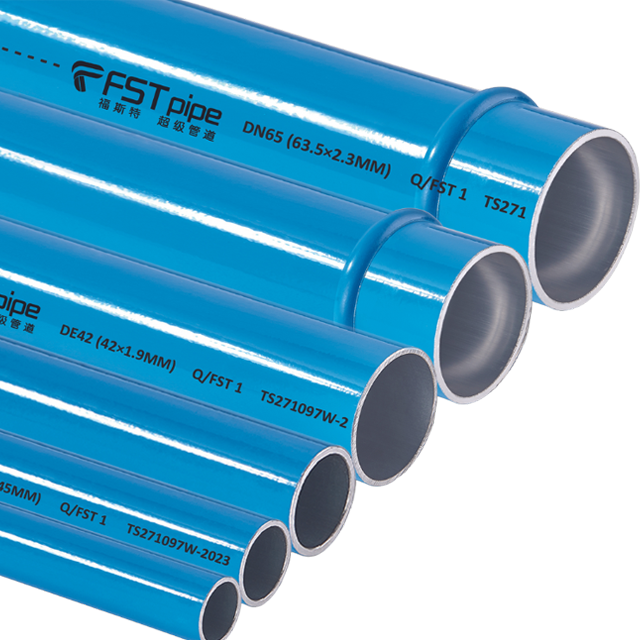
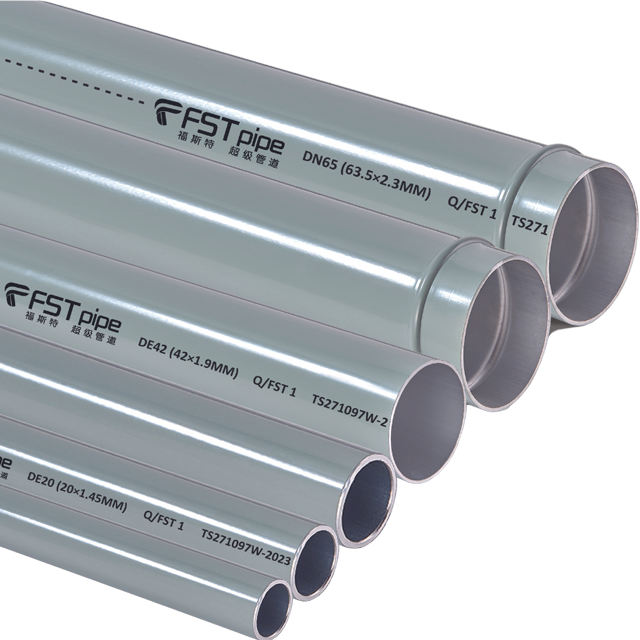
Upgrading to an aluminum pipe for compressed air system provides a permanently smooth inner wall. This lower friction coefficient maintains steady PSI across incredibly long runs. Air flows in a smooth, laminar fashion rather than a turbulent one. Aging steel pipes often cause a 10-14 PSI pressure drop due to internal scaling. This forces your compressor to work much harder than necessary. In fact, it can increase compressor energy costs by up to 5-7%. Aluminum effectively mitigates this degradation over its entire lifespan. You capture significant energy savings month after month.
Raw aluminum materials certainly cost more than standard black iron. You must balance this upfront premium against massive installation savings. Drastically reduced labor hours typically offset the initial price tag. Installers need no heavy threading machines. They do not require heavy lifting equipment to suspend the lightweight tubes. Facility managers appreciate the minimal system downtime during a retrofit. You get production lines running much faster. The total project cost often falls well below a comparable steel installation.
Modern factories rarely stay static. Assembly lines move constantly. Production demands shift rapidly from quarter to quarter. You can easily uncouple modern fittings to add new air drops. Maintenance teams can install bypasses or completely relocate lines. They achieve this without cutting, threading, or welding. This modularity turns a rigid utility into a flexible physical asset. It keeps your shop floor agile and responsive to new manufacturing contracts.
Engineers must evaluate multiple factors before signing off on a new utility design. We built a structured evaluation matrix below. It compares core purchasing criteria across the three most common industrial materials. Review these metrics to understand the operational differences.
Material Comparison Matrix
Criteria | Aluminum | Black Iron | Copper |
|---|---|---|---|
Installation Speed | Fast (Modular, push-to-connect) | Very Slow (Cutting, heavy threading) | Slow (Brazing, hot work permits) |
Weight & Handling | 70% lighter than iron; easy to rig | Extremely heavy; requires robust support | Moderate; manageable but dense |
Corrosion Resistance | High (Naturally forms protective oxide) | Low (Prone to rapid internal rusting) | High (Resists internal moisture well) |
Leak Prevention | Excellent (Deep-seated O-rings) | Poor (Threaded joints degrade over time) | Excellent (Brazed joints are permanent) |
Weight remains a critical factor for elevated installations. Aluminum is approximately 70% lighter than black iron. You require fewer structural roof supports and less rigging equipment. Furthermore, leak prevention improves dramatically. Modern aluminum fittings utilize deep-seated O-rings. When installed to factory specifications, they provide a superior seal against micro-leaks. Aging threaded joints on steel pipes inevitably vibrate loose over time.
Never rely on guesswork when sizing pneumatic lines. You must calculate accurate CFM (Cubic Feet per Minute) requirements. An undersized system starves your tools. An oversized system wastes capital. Follow these proven sizing steps:
Identify the peak CFM demand of all connected pneumatic tools running simultaneously.
Measure the total run length from the compressor room to the absolute furthest drop.
Factor in future expansion capacity. We recommend adding 20-25% to your current baseline needs.
Select the appropriate pipe diameter based on established pneumatic friction loss charts.
Aluminum inherently expands and contracts during temperature fluctuations. Facility engineers must account for this physical reality. Long, straight runs require specific engineering accommodations. You must integrate expansion loops or specialized flexible joints. These components prevent undue strain on the rigid fittings. Failing to address thermal expansion can lead to catastrophic joint failures. Always follow the manufacturer guidelines regarding support spacing and thermal movement.
You do not always need a full tear-out. You can transition from an existing black iron compressor header to a new modular loop. Use dielectric unions or brass transition fittings. These specialized connectors prevent galvanic corrosion between dissimilar metals. This allows you to scale an aluminum air pipecompressed air aluminum pipe layout safely alongside legacy infrastructure. Proper integration protects both the old and new sections of your grid.
Building a brand new facility or executing a comprehensive system overhaul.
Operating a dynamic plant that frequently reconfigures assembly lines or work cells.
Working in environments where pristine air is mission-critical. Common examples include paint booths, food processing centers, and precision machining shops.
Minor repairs to an existing, fully functional copper system. You generally want to avoid mixing materials unnecessarily for small patches.
Ultra-rugged environments facing extreme physical abuse. Pipes routinely subjected to severe external impacts might require heavy-duty steel. However, heavy-duty aluminum variants do exist for moderate impact zones.
Take actionable steps before requesting raw materials. Conduct a comprehensive air audit first. This audit identifies your current pressure drops and pinpoints costly leak rates. Next, request a detailed piping schematic. Obtain a comprehensive quote comparing material pricing against estimated labor hours. A detailed financial model ensures you make the right engineering choice.
The shift toward aluminum is not a fleeting trend. It represents a calculated engineering decision based on safety, longevity, and energy efficiency. Traditional materials simply cannot match the clean air delivery and modularity of modern systems. They drag down overall operational performance.
The initial material quote may induce slight sticker shock compared to basic black iron. Do not let upfront pricing deter you. The total elimination of leaks and reduced compressor strain prove invaluable over time. The zero-corrosion guarantee secures it as the superior financial choice over the lifecycle of your plant.
Protect your expensive pneumatic equipment today. Lower your monthly electrical consumption permanently. Prompt your maintenance team to schedule a compressed air system audit. Reach out to a certified supplier to request a standardized quote for a high-performance retrofit.
A: Yes, you can transition between different materials safely. However, it requires specific transition fittings, like dielectric unions. These specialized parts prevent galvanic corrosion from occurring between dissimilar metals over time.
A: Most standard aluminum compressed air pipes are designed strictly for indoor, above-ground use. Prolonged UV exposure and aggressive soil chemistry can degrade the components. You must use specialized protective coatings or sleeving for alternative exterior routing.
A: High-quality commercial systems handle up to 190–232 PSI (13–16 bar) at standard operating temperatures. This robust rating covers the vast majority of industrial applications safely. Always verify the exact specifications with your chosen manufacturer.
A: You need no heavy threading machines or welding gear. You generally only require a pipe cutter, a deburring tool, and standard wrenches. Manufacturers often provide a simple spanner wrench to secure their proprietary compression fittings properly.