Views: 0 Author: Site Editor Publish Time: 2026-07-18 Origin: Site
Compressed air frequently ranks as the most expensive utility running through a modern manufacturing plant. Hidden distribution inefficiencies, such as pinhole leaks and friction-induced pressure drops, directly bleed your daily operational budget. Facility managers increasingly recognize these silent financial drains. Consequently, we see a massive industry shift away from legacy materials like black iron, galvanized steel, and copper. Today, modern modular solutions dominate new plant designs. Our purpose here is to provide an objective, engineering-focused evaluation of why these lightweight systems serve as the standard. We will detail exactly how you can determine if this upgrade presents the right financial and operational fit for your facility. You will learn the mechanics behind improved fluid dynamics, significant installation labor savings, and actionable energy efficiency metrics. By eliminating systemic weaknesses, you protect both downstream pneumatic assets and your overarching profitability.
Energy Efficiency: The smooth internal surface of aluminum eliminates corrosion-induced pressure drops, directly lowering compressor energy consumption.
Labor & Installation ROI: Push-to-connect and modular clamping systems reduce installation labor time by up to 50% compared to threading or sweating traditional pipes.
Air Quality & Asset Protection: Non-corrosive properties ensure clean air delivery, extending the lifespan of downstream pneumatic tools and filtration systems.
Scalability: Sizing options ranging from DN20-200 Aluminum Piping allow facilities to standardize materials from the compressor room to the final point of use.
Success for any industrial compressed air network demands strict performance baselines. You need perfectly consistent air pressure arriving at the operational tools. You require exceptionally clean air completely devoid of particulates. You must maintain zero leaks across the vast overhead grid. Finally, you want an incredibly low ongoing maintenance burden. Unfortunately, legacy piping materials consistently fail to meet these demanding modern criteria over a long operational lifespan.
Let us examine the rapid degradation of traditional steel and iron. Moisture acts as an inherent, unavoidable byproduct of the standard compressed air generation process. When humid air travels through traditional iron pipes, severe oxidation begins almost immediately. Internal scaling builds up progressively inside the pipe walls. This rust creates a highly irregular, jagged internal surface texture. Increased surface friction disrupts the airflow, causing severe boundary layer turbulence. This turbulence directly creates significant pressure drops across long pipeline runs. Consequently, your expensive air compressors must work substantially harder just to maintain minimum operating pressure at the end-use points.
Beyond the massive daily energy waste, you face heavy physical labor burdens. Traditional systems demand highly specialized, time-consuming installation labor. Maintenance crews must carefully cut and thread extremely heavy steel pipes. They must apply messy cutting oils, heavy sealants, and tape. When you opt for copper materials, plumbers must meticulously solder or braze every single joint. Active manufacturing plants require strict hot work permits before anyone ignites a torch. These fire safety permits introduce severe compliance hurdles. They mandate dedicated fire watch personnel, which effectively doubles your labor costs for a simple routine modification.
Additionally, some facilities attempt to cut initial construction costs by utilizing PVC pipe. You must avoid this dangerous practice entirely. PVC presents a massive physical safety hazard on the factory floor. It becomes highly brittle as trace compressor oils degrade the plastic polymers over time. Upon sudden rupture, pressurized PVC violently explodes into razor-sharp shrapnel. Because of this fatal material flaw, OSHA explicitly classifies PVC as a serious workplace safety violation for compressed gas transport.
To make a truly fair material comparison, we must establish clear engineering evaluation criteria. We must measure initial material purchase costs against total installation labor hours. We also evaluate overall material longevity and ongoing maintenance burdens.
Consider how modern aluminum pipe systems measure up against traditional copper. The lightweight metal handles much larger pipeline diameters far more cost-effectively. Your installation teams require absolutely no hot work permits. You simply push the components together and secure the locking collars. Copper does carry a respectable historical track record in highly specialized medical gas environments. However, modern modular metals easily match copper's impressive corrosion resistance while completely bypassing the cumbersome, specialized brazing protocols.
Next, we evaluate these systems against heavy galvanized steel. When you eliminate raw iron from the equation, you completely eliminate particulate contamination. You never have to worry about abrasive rust flaking off and destroying your expensive downstream pneumatic cylinders or sensitive filtration media. Furthermore, you achieve significantly better internal fluid dynamics. If you need to re-route a specific branch line later, you do not need heavy motorized pipe threading equipment out on the shop floor. Admittedly, standard carbon steel does offer higher raw mechanical impact resistance. You might prefer heavy steel in extreme heavy-industrial zones where careless forklift strikes happen frequently. However, you can easily overcome this minor vulnerability. You simply install basic steel bollards or structural protective shielding around your lighter metal drop points in high-traffic areas.
When analyzing materials, engineers typically review four distinct phases of value:
Initial Purchase Phase: Raw material acquisition costs and shipping weight.
Installation Phase: Active labor hours, tooling requirements, and specialized equipment rentals.
Operational Phase: Daily electrical energy expenditures and frictional pressure drop losses.
Maintenance Phase: Modification downtime hours and ongoing leak repair frequency.
The table below outlines how these materials behave under everyday industrial conditions.
Material Metric | Modular Aluminum | Galvanized Steel | Brazed Copper |
|---|---|---|---|
Internal Corrosion Risk | None (Oxide layer protects) | High (Rust and scaling) | Low to None |
Installation Methodology | Push-to-connect / Clamp | Threaded joints | Soldering / Brazing |
Tool Contamination Risk | Extremely Low | High (Rust flakes) | Low |
Relative Physical Weight | Very Light | Extremely Heavy | Heavy |
Modification Difficulty | Low (Dismantle easily) | High (Requires cutting) | High (Requires hot work) |
Ultimately, Industrial Aluminum Air Piping generally wins in total lifecycle value. It might carry a higher initial material price tag than standard black steel. However, the drastic reductions in installation labor, ongoing energy conservation, and simplified maintenance turn it into a vastly superior financial asset.
Modern manufacturing demands highly engineered solutions. Moving air efficiently requires a deep understanding of fluid dynamics and mechanical stability.
A calibrated, perfectly smooth inner bore maintains an incredibly low friction coefficient over decades of heavy industrial use. It completely prevents boundary layer turbulence. This smooth geometry ensures a laminar flow and stable pressure delivery across the entire plant floor. Because the air encounters zero frictional resistance from rust, your compressors run cooler. They cycle less frequently, saving massive amounts of electricity.
The material features an exceptional low weight-to-volume ratio. This physical characteristic drastically reduces structural load stress on facility ceilings and delicate roof trusses. If your manufacturing plant layout changes, you can rapidly re-route entire distribution lines. The modular fittings allow maintenance teams to dismantle and rebuild sections without discarding the core pipe itself. This agility represents a massive upgrade over welded or permanently threaded networks.
Standard sizing options support robust, scalable system architecture. Utilizing diverse DN20-200 Aluminum Piping components allows you to build massive high-capacity main distribution headers. You can seamlessly transition into much smaller sub-distribution drops using the exact same base material type. Standardizing your components from the compressor room to the assembly line avoids the severe galvanic corrosion risks associated with mixing incompatible metals.
Vibration causes major operational headaches in traditional threaded steel joints. Tiny micro-movements eventually back the threads out, creating thousands of invisible leaks. Modern connection methods mitigate this beautifully through advanced engineering:
O-Ring Compression: Precision nitrile or FKM seals expand slightly under system pressure, filling every microscopic gap.
Mechanical Grab Rings: Stainless steel internal teeth bite firmly into the pipe exterior, preventing accidental blowouts.
Vibration Dampening: The tough polymer connection bodies safely absorb microscopic compressor vibrations, protecting the rigid pipe runs.
Let us address the most common purchasing objection head-on. The raw material often costs more upfront than basic galvanized steel. However, you must offset this initial sticker shock by aggressively calculating total installation labor savings. You completely eliminate tedious thread cutting. You avoid buying expensive pipe threading machinery. Faster physical commissioning means your facility gets up and running days or even weeks earlier. The labor savings alone usually equalize the project budget before you even turn on the compressor.
Pressure drop reduction directly translates to immediate monthly utility savings. You can use a simple engineering framework for calculating true financial returns. Every two PSI of pressure drop eliminated saves approximately one percent in total compressor electrical energy costs. Consider a standard 100-horsepower compressor running heavily throughout the year. If a smooth modular network eliminates a ten PSI systemic drop caused by old rusty pipes, you save five percent on that machine's energy draw. Over a ten-year operational span, this single performance metric often pays for the entire piping upgrade project.
You must also quantify the extreme value of avoiding complete plant shutdowns. Traditional systems require full days of downtime to drain, cut, and re-thread pipes for simple layout modifications. Conversely, you can safely isolate modern modular networks using standard full-bore ball valves. Your internal maintenance crew can easily complete a new machine drop in a few hours on a Tuesday morning, rather than paying contractors expensive weekend overtime rates.
We must acknowledge a core physical reality when working with metals. They expand and contract alongside ambient temperature changes. Aluminum features a specific thermal expansion coefficient. A rigid, tightly bound layout will inevitably warp or buckle over time as the factory heats up in summer. You must strategically engineer expansion loops into your long, straight ceiling runs. Furthermore, utilizing proper sliding brackets allows the material to move naturally along its axis without snapping critical rigid connection points.
Sagging creates dangerous low points where destructive condensation pools. To prevent sagging and mechanical stress on the joints, you must follow strict hanger spacing guidelines. Generally, support spacing ranges between five to ten feet. This distance depends strictly on the pipe diameter, wall thickness, and internal compressed air loads. Best practices dictate placing a sturdy support hanger directly adjacent to any heavy inline components like filters or large isolation valves.
Buyers must carefully evaluate vendor lock-in risks. Some brands utilize heavily proprietary connection profiles. If that manufacturer discontinues a product line or goes out of business, you cannot source replacement parts easily. Evaluate the strategic pros and cons of these closed ecosystems versus universally compatible outer-diameter (OD) systems. Universal OD systems allow you to mix and match hardware during future plant expansions freely.
Never compromise on international safety standards. Always verify that your chosen network meets strict ISO classifications for compressed air delivery. Ensure all metallic components align with ASME B31.1 compliance rules for pressure piping. Double-check the documented pressure and temperature safety ratings to guarantee they significantly exceed your specific facility environment requirements.
Do not just buy raw materials from a catalog; partner with a true engineering asset. Look for industrial providers who offer comprehensive 3D CAD layout modeling. They should execute detailed pressure drop calculations and full flow rate analyses prior to your purchase. This upfront engineering prevents costly bottlenecks from appearing after installation. Reputable suppliers often utilize Building Information Modeling (BIM) files to seamlessly integrate the air network into your existing HVAC and electrical ceiling plans.
You should critically evaluate the length and actual comprehensiveness of the manufacturer warranty. Premium industrial systems typically carry strong warranties exceeding ten years. Additionally, demand clear production traceability for the sealing O-rings and polymer components. Cheap, undocumented sealing rings degrade quickly when exposed to synthetic compressor oil carryover, ruining your expensive investment.
To move forward efficiently, audit your current system pressure drops immediately. Install simple pressure gauges at the compressor discharge and at the furthest pneumatic tool. Calculate your baseline financial losses based on the difference. You might request a small, localized pilot installation to test the push-to-connect modularity firsthand. Start modeling your long-term return on investment today to build a compelling business case for facility management.
Upgrading your facility infrastructure involves a highly strategic upfront investment. However, modern modular networks mathematically outperform legacy metal materials across every crucial engineering metric. They deliver unmatched physical labor savings, preserve immensely expensive electrical energy, and offer superior facility adaptability. Transitioning away from rust-prone iron represents a profound long-term capital improvement rather than a simple operational maintenance expense. We strongly encourage you to download a comprehensive piping sizing chart today. Alternatively, schedule a dedicated compressed air energy audit to expose hidden financial leaks. Request a technical consultation immediately to custom-engineer the absolute perfect layout for your active production floor.
A: Yes. You can easily integrate them using specialized transition fittings and dielectric unions. These components prevent direct metal-to-metal contact. This safely eliminates the risk of galvanic corrosion, which happens when dissimilar metals interact near moisture. Adapters allow seamless connection to existing threaded steel or soldered copper headers.
A: Standard industrial networks handle pressures ranging from 200 to 232 PSI comfortably. This specific capacity depends strictly on ambient temperature conditions and your chosen pipe diameter. Always consult exact manufacturer specifications to guarantee safe operating pressure thresholds for your particular facility environment.
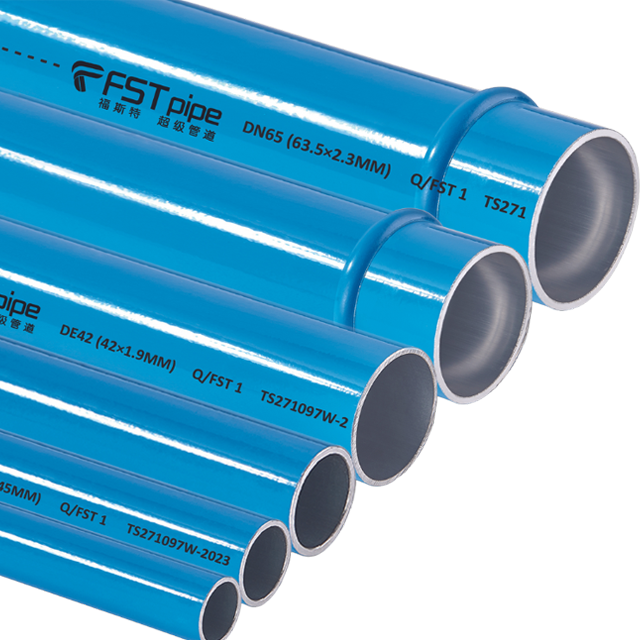
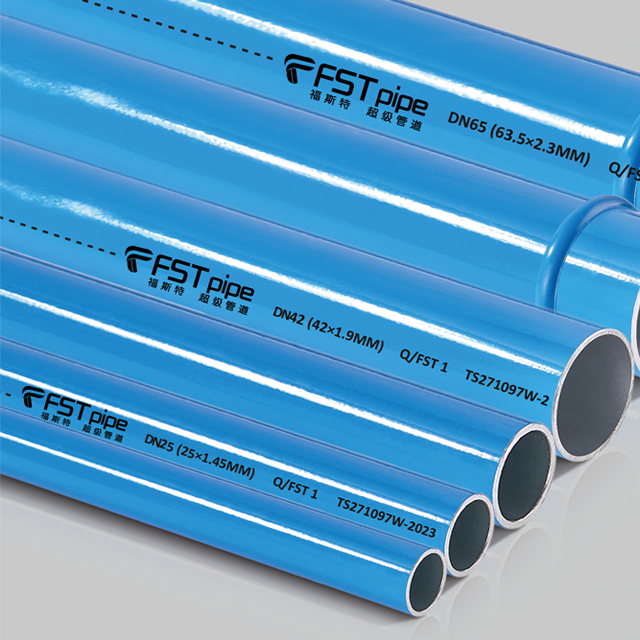
A: Unlike standard steel, it does not require protective paint to prevent external rust. Reputable manufacturers supply materials featuring a standard blue anodization or durable powder coating. This pre-applied blue finish inherently meets universal compressed air pipeline identification standards, saving you significant painting labor.
A: DN stands for Diamètre Nominal, the global measurement standard. As a quick North American reference, DN20 roughly translates to a 3/4-inch pipe. Moving up the scale, DN200 translates to an 8-inch main header pipe. Always cross-reference exact manufacturer sizing charts before purchasing to ensure perfect alignment.