Views: 0 Author: Site Editor Publish Time: 2025-12-12 Origin: Site
You use an air hose coupler to connect air hoses to tools, compressors, or pipes. This small part helps you make strong, airtight links. It keeps air moving smoothly and safely in air systems. Different couplers are used in factories and workshops. The table below shows some common types you may see:
Type of Coupler | Description |
|---|---|
Push-to-Connect Fittings | Make a "plug-and-lock" link using inside claws and a sealing ring. |
Barbed Fittings | Have many barbs to hold hoses tight, and need a hose clamp to stay in place. |
Threaded Hose Fittings | Use threads for strong links, good for high-pressure jobs. |
Hose Couplings / Quick Couplers | Give a fast, easy link with a female and a male connector. |
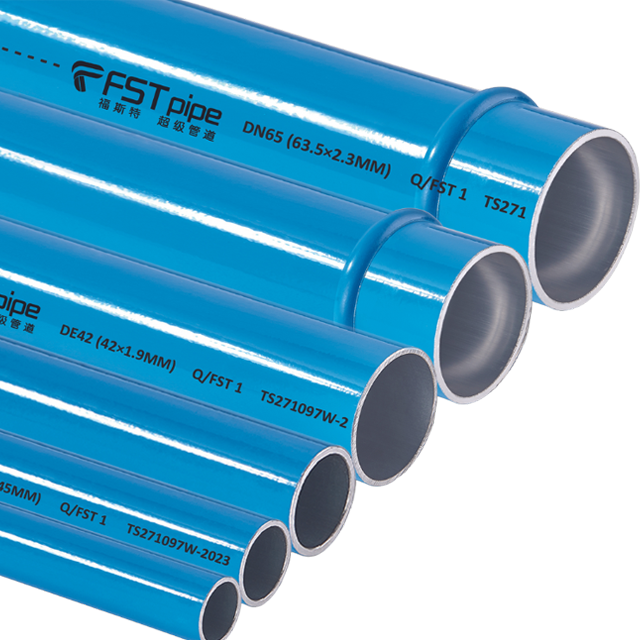
FSTpipe gives you good choices for air hose couplers and pipes. This helps you work safely and get jobs done well.
Air hose couplers join hoses to tools and compressors. They make a tight seal so air does not leak out.
Quick-release couplers let you change tools fast. You do not lose air pressure when you switch tools. This is good for busy places.
Safety is very important when you use couplers. Always check the connections. Use safety clips so accidents do not happen.
Pick the right coupler for your system. Match the pressure and size so there are no leaks. This helps everything work well.
Check your couplers and hoses often. Look for leaks or cracks early. This keeps your tools working well.
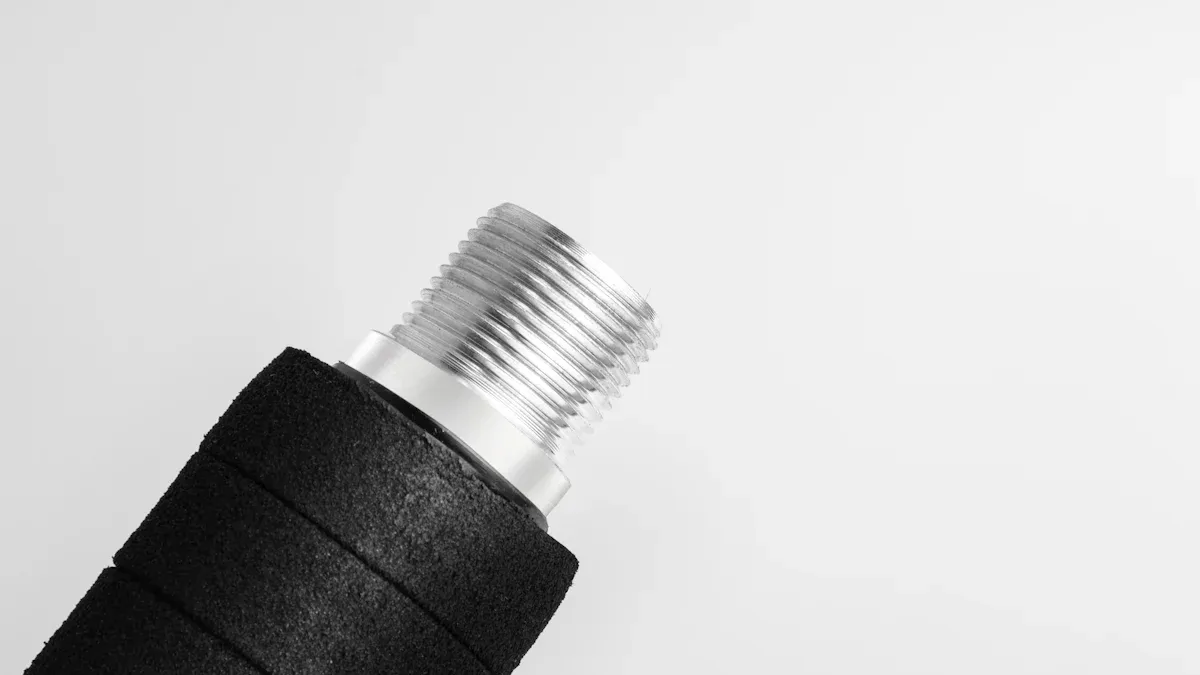
You see an air hose coupler every time you connect an air hose to a tool or a compressor. This small device lets you join two parts together so air can flow without leaking. In simple terms, an air hose coupler is a connector that locks two air lines or tools together. You use it to make sure the air stays inside the system and does not escape.
A pneumatic coupling is another name for this type of connector. It helps you link hoses, pipes, or tools in a way that keeps the air pressure steady. According to industry standards, the Industrial Interchange type of air hose coupler is made for quick disconnects in pneumatic systems. You can match male connectors and female couplers of the same size, no matter what the hose diameter is. This design makes it easy for you to switch tools or hoses quickly.
Tip: When you use a quality coupler, you spend less time connecting and disconnecting hoses. You also avoid air leaks that can slow down your work.
FSTpipe offers advanced piping systems that work well with many types of air hose couplers. Their Aluminum Air Piping System and Stainless Steel Piping System give you strong, reliable connections for your air tools and compressors.
You find air hose couplers in many places where people use air-powered tools. These connectors help you work faster and safer. Here are some main uses:
You connect air tools in manufacturing plants with NPT air fittings. This setup gives you a tight seal and stops air from leaking.
You use couplers in the automotive industry to inflate tires, run pneumatic tools, and operate air-powered lifts.
You link hoses to compressors and piping systems in workshops, factories, and garages.
You switch between different tools quickly without losing air pressure.
FSTpipe designs its piping systems to work with many types of couplers. You get strong connections whether you use their Aluminum Air Piping System or Stainless Steel Piping System. These systems help you keep your air supply steady and your tools running smoothly.
When you use an air hose coupler, you join two parts. This lets air move through without leaking. First, you line up the plug and socket. The plug is called the male part. The socket is called the female part. You push the plug into the socket. The locking part holds them together tight. This keeps the connection safe and strong.
Here is a table that shows the main parts used to connect:
Component | Description |
|---|---|
Plugs | Male parts that go into the socket. They often have a ridge to help lock the connection. |
Sockets | Female parts that hold the locking system. They use balls or pins inside to keep the connection secure. |
There are two main kinds of coupler designs. One is quick-release. The other is manual. Each works in its own way.
Quick-release couplers use hydraulic systems to connect. You can use a switch or lever inside the cab. This lets you connect or disconnect tools fast and safely.
Manual couplers need you to line up and lock the parts by hand. You must go outside the cab to attach the coupler. This takes more time and effort.
Many workshops use quick coupling systems. These systems help you change tools quickly and keep working.
You need a tight seal when you use a pneumatic coupling. The seal stops air from leaking out. It keeps the pressure steady. If the seal breaks, you lose air. Your tools will not work as well. Good couplers use balls or pins inside to lock the plug and socket. This keeps the connection strong and stops leaks.
Safety is very important when using an air hose coupler. You should follow safety rules to avoid accidents. Here are some safety tips:
Attach pneumatic power tools to the hose so they do not come off by accident.
Put safety clips or retainers on tools to stop parts from flying off.
Use safety devices on hoses bigger than ½ inch to lower pressure if something goes wrong.
Follow Standard 29 CFR, 1926.302, which says you must secure pneumatic tools to stop them from coming loose.
Use safety chains or similar things to keep hoses from whipping around if a coupler comes off.
Add safety check valves to stop air flow during surges.
Put hose restraints on to hold hoses in place if a coupler disconnects.
Make sure all parts can handle the job and the highest pressure.
Tip: Always check your coupler before you start working. A tight connection keeps you safe and helps your tools work well.
A good pneumatic coupling system protects you from leaks and accidents. Using a quick-release coupling saves time and lowers risk. You keep your workspace safe and your air supply steady.
There are different types of pneumatic coupler in factories. Each type helps you connect hoses and tools in a way that works for you. You pick the best coupler by thinking about how fast you need to change tools, how much pressure you use, and your piping system.
Quick-release couplers let you connect and remove hoses or tools quickly. You do not lose air pressure when you switch. These couplers work well in busy places like assembly lines and repair shops. You save time and keep working without stopping.
Here is a table that shows how quick-release couplers help different jobs:
Industry | Benefit |
|---|---|
Automated Lines | Fast, strong connections help work go faster. |
Construction and Heavy Equipment | Quick setup and cleanup save time and money. |
Maintenance and Repair Workshops | Mechanics change tools fast, so work gets done quicker. |
Food and Beverage Processing | Nonstop work lowers risks and keeps things clean. |
Aerospace and Defense | Fast assembly and removal help with important tasks. |
Quick-release couplers are made from aluminum, brass, or stainless steel. Aluminum couplers are light and do not rust. Brass couplers work well in hot places. Stainless steel couplers last a long time, even in hard jobs. FSTpipe’s Aluminum Air Piping System and Stainless Steel Piping System work well with these couplers. You get strong and safe connections.
Tip: Use quick-release couplers when you change tools a lot and want your air system to work well.
Manual couplers need you to connect and remove hoses by hand. You line up the parts and lock them together. This type costs less and is easy to use. You find manual couplers where people do not change tools often.
Here is a table that compares manual couplers and hydraulic quick couplers:
Type of Coupler | Advantages | Disadvantages |
|---|---|---|
Manual Couplers | Cheap, simple, reliable, can be used in many ways | Takes more work, not as easy to use |
Hydraulic Quick Couplers | Easy, fast, safer, less hard work | Costs more, needs more care |
You might use a manual coupler for small machines or when you do not need to change tools often. FSTpipe’s piping systems work with both manual and quick-release couplers. You can pick what works best for you.
Specialty couplers have extra features for special jobs. Some let more air move through, so you lose less pressure. Others connect with many types or have guards to stop them from coming apart by accident.
Here is a table with some specialty couplers and their features:
Coupler Type | Unique Features |
|---|---|
RF Series Pneumatic Couplers | Lets lots of air through, good for compressors and tools |
Universal Interchange | Connects with many types, push-to-connect, guard for safety |
Industrial Interchange | Made to last, follows world standards |
ARO Interchange | High air flow, easy to connect |
Lincoln Interchange | Special valve, guard stops it from coming apart by accident |
Schrader Twist-Lock | Push-to-connect, twist sleeve keeps it from disconnecting by mistake |
You can use specialty couplers with FSTpipe’s Aluminum and Stainless Steel Piping Systems. This helps your air tools work their best and keeps your system safe.
Note: Always make sure your coupler fits your piping system and tools. Picking the right one helps you work faster and safer.
You need to match the coupler to your system and tools. The right fit keeps your air supply strong and safe. If you use the wrong size or type, you may get leaks or lose pressure. Always check the size of your hose and the type of connection you need. Some systems use quick-release, while others use manual couplers. You should also think about the environment where you work. Heat, cold, and chemicals can change how a coupler works.
Here is a table to help you see what to check when choosing a coupler:
Factor | Description |
|---|---|
Operating pressure | Know the maximum pressure your system uses. |
Temperature range | Make sure the coupler can handle the heat or cold in your workspace. |
Media compatibility | Check if the coupler works with air, water, or other gases. |
Environmental factors | Think about chemicals, sunlight, or dust that may affect the coupler. |
Hose size and length | Pick the right inner diameter and avoid hoses that are too long. |
Special requirements | Look for anti-static or custom features if needed. |
Safety factors | Use couplers that meet safety standards and have a high burst pressure. |
FSTpipe offers support to help you pick the best coupler for your Aluminum Air Piping System or Stainless Steel Piping System. Their team can answer questions and help you avoid mistakes.
You must know the pressure ratings before you choose a coupler. If you use a coupler that cannot handle your system’s pressure, it may fail. This can cause leaks or even accidents. Always check the working pressure, burst pressure, and test pressure.
Pressure Type | Description |
|---|---|
Working Pressure | The highest pressure you can use safely every day. |
Burst Pressure | The pressure where the coupler may break. This is usually 3-4 times higher than working pressure. |
Test Pressure | The pressure used to test the coupler’s strength. This is 1.5-2 times higher than working pressure. |
You should always make sure the coupler matches or exceeds your system’s pressure. This keeps your tools safe and working well. For high-demand jobs, you need a compressed air coupling that can handle strong pressure without breaking.
Tip: Never let the air pressure go above what the coupler can handle. This helps prevent bursts and keeps your system safe.
You may see some problems if you use the wrong coupler or do not check it often. Common issues include leaks, cracks, and pressure drops. These problems can slow down your work and cost more money.
Leaks at hose joints or connections
Cracking, kinking, or bursting of hoses
Pressure drops from bends or blocked airflow
Short lifespan of rubber or PVC materials
Condensation causing rust or freezing
Issue | Description |
|---|---|
Leaks in the Line | Small leaks lower air pressure and make compressors work harder. |
Liquid Air/Condensation | Water inside the line can cause rust, tool failure, or freezing. |
To fix leaks, check all couplers, joints, and seals. Look for missing O-rings or loose parts. Tighten connections or replace old parts when needed. FSTpipe’s reliable products and support team can help you solve these problems quickly.
Note: A regular check-up of your coupler and hose system helps you avoid downtime and keeps your tools running smoothly.
You need air hose couplers to keep your system safe. These connectors make sure air does not leak. They let you change tools fast. They are made from strong metals like brass and stainless steel. Picking the right coupler helps you stay safe and work well.
Factor | Why It Matters |
|---|---|
Pressure Rating | Keeps your system safe |
Material | Prevents leaks and rust |
Size | Ensures a proper fit |
Design | Improves sealing and flow |
FSTpipe’s aluminum and stainless steel pipes are easy to use. Good brands help stop leaks and keep your tools working.
You use a pneumatic coupling to join two air lines or tools. This device helps you create a secure connection. You keep air flowing without leaks. Pneumatic coupling works in many industries, including automotive and manufacturing.
You line up the plug with the pneumatic coupling. Push the plug into the socket. The locking mechanism holds the plug in place. You get a tight seal. This process helps you avoid air leaks.
You save time with a quick connect plug. You switch tools fast. You do not lose air pressure. Quick connect plugs work well with pneumatic coupling systems. You keep your workspace safe and efficient.
You may see leaks or pressure drops. Sometimes plugs do not fit well. You might notice cracks or kinks in hoses. Regular checks help you avoid these problems. Pneumatic coupling systems need proper maintenance.
You can use pneumatic coupling with FSTpipe’s Aluminum Air Piping System and Stainless Steel Piping System. These systems support many plug types. You get strong, reliable connections for your pneumatic tools.