Views: 0 Author: Site Editor Publish Time: 2026-09-01 Origin: Site
The piping network acts as the central nervous system for your facility. Select the wrong material, and you immediately face compounding energy costs, unsafe working conditions, and chronic pressure drops. A poorly designed layout creates immense strain on your compressors. You must carefully balance upfront material expenses against long-term energy efficiency and installation labor. Modern facilities demand reliable air delivery without constant maintenance interruptions. A well-optimized network ensures tools operate at peak performance and limits unnecessary energy waste.
This guide provides a definitive framework for evaluating pipe materials. You will learn how to determine exact sizing for your specific operations. We will also help you select a compliant, scale-ready solution. Implementing these guidelines guarantees your compressed air system remains safe, efficient, and ready for future expansion.
PVC is extremely dangerous and strictly prohibited by OSHA for transporting compressed gases; never use it for factory air piping.
Traditional materials like black iron and copper are being rapidly replaced due to internal corrosion issues and high installation labor costs.
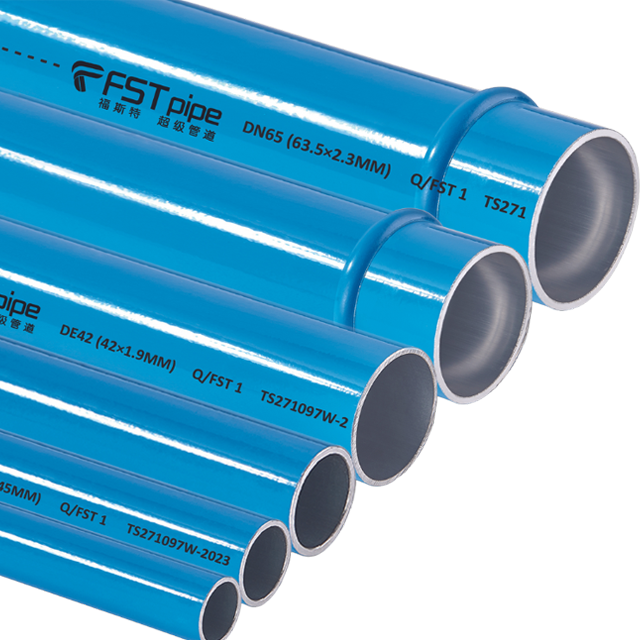
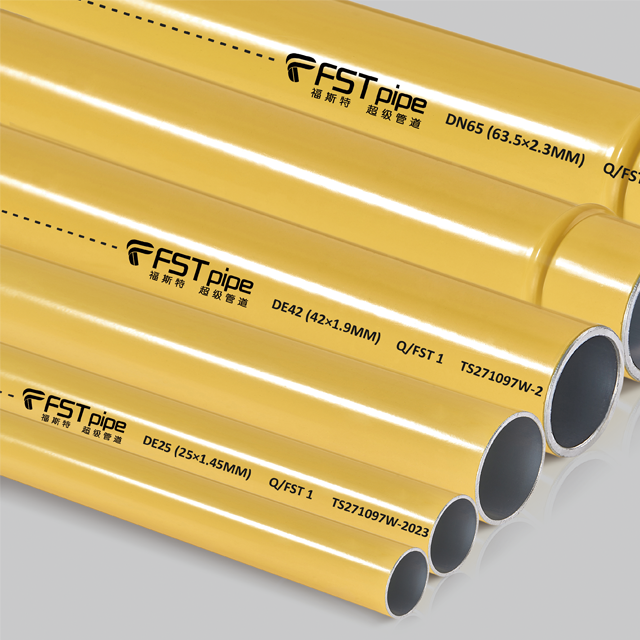
6063 aluminum air pipe has emerged as the industry standard due to its zero-corrosion properties, lightweight nature, and modular installation.
Selecting the correct aluminum air pipe diameter is critical to minimizing pressure drop (aim for less than 1-2 psi drop across the entire system).
Choosing the right aluminum pipe supplier with robust inventory and technical support accelerates deployment and ensures warranty compliance.
Many facility managers focus entirely on buying efficient compressors. However, they often ignore the delivery network. Piping creates a literal bottleneck between the compressor room and the point of use. If pipes are too small, friction slows the airflow. If pipes rust internally, rough surfaces cause turbulent air. This turbulence forces your compressor to work harder. The resulting pressure drop starves pneumatic tools of necessary power. Employees then experience sluggish equipment and inconsistent product quality.
A successful factory air piping installation must meet four strict criteria. First, it requires zero safety hazards. Materials must handle high pressures without risking explosion. Second, it demands minimal pressure drop. You want less than a two PSI difference between the compressor and the furthest drop. Third, the system needs zero air leaks. Even tiny leaks force compressors into constant duty cycles. Finally, you need adaptability. Factory floor layouts change constantly. Your piping should allow rapid modifications without specialized labor.
Initial material prices often distract buyers from actual project expenses. Black iron pipes might look cheap on paper. Yet, they require massive labor hours to thread, seal, and hoist. You must evaluate the energy loss from friction and hidden leaks over time. Maintenance downtime also drains resources. When a steel pipe rusts, it sends debris into expensive pneumatic valves. The resulting equipment repair costs far exceed the initial savings on raw pipe materials. Smart operators look at installation speed, energy retention, and maintenance avoidance.
Material Type | Corrosion Resistance | Installation Speed | Weight | Modification Ease |
|---|---|---|---|---|
Black Iron / Steel | Very Poor | Slow | Heavy | Difficult |
Copper | Excellent | Moderate (Brazing) | Moderate | Difficult |
Stainless Steel | Excellent | Slow (Welding/Press) | Heavy | Difficult |
Plastics (PVC) | Excellent | Fast | Light | Unsafe (Prohibited) |
6063 Aluminum | Excellent | Very Fast | Light | Very Easy |
Black iron remains common in older industrial facilities. It offers a very high pressure rating. Plumbers can source it universally from any hardware distributor. Unfortunately, the benefits end there. Iron is extremely heavy. Overhead installations require heavy-duty hangers and intense physical labor. Plumbers must use threading equipment for every joint. Most critically, iron is highly susceptible to internal rust. Compressors naturally produce moisture. This moisture interacts with the iron, creating scale. This rust eventually flakes off. It travels downstream, clogs pneumatic tools, and ruins end-product quality.
Copper provides a highly corrosion-resistant alternative to iron. It features a smooth interior wall. This smoothness promotes excellent airflow and reduces compressor strain. However, copper carries a high raw material cost. Prices fluctuate wildly based on global markets. Installation requires skilled tradespeople for brazing and soldering. This process involves open flames, requiring fire watches and facility permits. Once installed, copper is rigid. Modifying a copper system later requires cutting the pipe, draining the line, and soldering new fittings.
Stainless steel represents the premium tier for specific environments. It is ideal for sanitary, food-grade, or highly corrosive chemical plants. It resists rust completely and handles extreme temperatures. Despite these advantages, it remains the most expensive option available. The raw material costs are staggering. Installation is highly labor-intensive, requiring specialized welding or heavy press-fitting tools. For general manufacturing or auto shops, stainless steel is massive overkill.
Do not use PVC for compressed air. OSHA regularly issues hazard bulletins regarding PVC. Compressed air stores massive amounts of kinetic energy. If a PVC pipe sustains physical impact, it shatters. This explosion sends sharp plastic shrapnel across the workspace. It is a severe safety violation. CPVC behaves similarly. PEX tubing technically handles air pressure safely without shattering. Small home garages sometimes use PEX. However, PEX is unsuitable for commercial environments. It degrades rapidly under UV light. It also sags over long runs, creating traps for moisture.
Modern engineering favors 6063 aluminum air pipe for industrial air networks. Aluminum features a smooth, anodized interior. This coating prevents internal rust completely. Because the inner wall never corrodes, it maintains a consistent laminar flow. Laminar flow means air travels smoothly without turbulence. This efficiency reduces the energy draw on your compressor. You deliver maximum CFM to your tools while spending less on electricity.
Aluminum systems utilize modular technology. Installers use push-to-connect or simple compression fittings. You do not need threading machines. You do not need soldering torches. You cut the pipe, deburr the edge, and push the fitting together. This modularity transforms maintenance work. If you need to add a new workstation, you isolate the zone. Maintenance teams can install a new drop block in minutes. You simply drill a hole, attach a saddle fitting, and restore pressure. Scalability becomes effortless.
Aluminum provides exceptional structural integrity while remaining remarkably light. It is significantly lighter than iron or copper. This weight reduction makes a huge difference during installation. One person can easily carry a 20-foot stick of aluminum up a scissor lift. The lighter weight also means you need less heavy-duty structural support for overhead mounting. From a safety perspective, aluminum will not shatter like PVC. It handles high-pressure industrial loads safely and predictably.
Traditionalists often point out the initial material costs. Aluminum pipe costs more per foot than basic black iron. This fact is undeniable. However, you must evaluate the entire installation process. Using aluminum yields a 50-70% reduction in installation labor. A job taking two weeks with iron takes three days with aluminum. This labor savings offsets the upfront material premium almost immediately. You get a superior, rust-free system for roughly the same installed price.
Sizing your piping correctly prevents disastrous pressure drops. You must evaluate three main variables before buying materials.
Total CFM Required: Calculate the Cubic Feet per Minute your tools consume simultaneously.
Operating Pressure: Determine the target PSI needed at the furthest workstation.
Total Linear Distance: Measure the entire length of the piping loop, including vertical drops.
Friction increases over long distances. High CFM flow through narrow pipes creates massive friction. You must balance these dimensions to keep airflow smooth.
Engineers use a specific aluminum pipe size chart to mitigate pressure drop. Do not guess your aluminum air pipe diameter. Using these charts guarantees you stay under the 2-PSI drop threshold. For example, a 20mm (3/4") pipe works perfectly for short branch lines feeding a single tool. However, if your main header exceeds 100 feet and carries 100 CFM, you need at least a 40mm (1.5") or 50mm (2") pipe. Upsizing the main header is always a safe engineering practice. It acts as an additional air receiver, buffering sudden demands.
Always design your network as a "closed-loop" or ring main. Never use a "dead-end" straight line layout if you can avoid it. A ring main connects the end of the pipe back to the beginning. This layout allows air to travel in two directions toward any point of demand. It equalizes pressure across the entire factory floor. Mathematically, a ring main cuts the effective distance in half. This setup dramatically reduces friction and keeps pressure stable during high-demand spikes.
Aluminum expands and contracts as ambient temperatures change. This physical reality applies to all metals. If you run a straight line of aluminum pipe for 200 feet, summer heat will make it grow. If the pipe is rigidly locked against walls, it will buckle or blow out fittings. You must build expansion loops into long straight runs. Use four 90-degree elbows to create a "U" shape. Alternatively, install flexible braided hoses at strategic intervals. These flex points absorb the movement safely.
Compressors squeeze moisture out of ambient air. Even using a refrigerated air dryer, some moisture happens. You must manage this condensation proactively.
Swan Necks: Always tap air off the top of the main line. Use a gooseneck fitting to route air up and then down. Water travels along the bottom of the main header. Tapping from the top ensures dry air reaches your tools.
Pitching the Pipe: Angle the main header slightly (about 1 inch per 10 feet) toward a drainage point.
Drip Legs: Install a vertical drip leg at the bottom of every drop line. Equip this leg with an automatic drain valve to expel collected moisture.
Supporting your pipes correctly prevents mechanical failure. Follow evidence-oriented guidelines for hanger spacing. If you place hangers too far apart, the aluminum pipe will sag. Sagging creates low points. Water pools in these low points, restricting airflow and causing sudden bursts of moisture at the tools. Generally, support 20mm pipes every 5 feet. For larger 40mm or 50mm pipes, place hangers every 8 to 10 feet. Always place a support near heavy components like valves or filter regulators.
Never select a vendor based solely on the lowest price per foot. The cheapest materials often lack structural integrity or proper anodizing. Look for manufacturers utilizing strict ISO quality standards. Assess their warranty policies. A reputable vendor stands behind their product for at least ten years. Investigate their shipping practices, as long aluminum pipes require specialized freight handling to prevent damage.
Ensure your chosen vendor stocks a comprehensive range of components. You need quick access to elbows, tees, ball valves, and modular wall blocks. Avoid proprietary systems locking you into impossible-to-replace tools. The best systems use standard tools and allow for easy integration. You want a product line offering seamless connection points, making future factory expansions painless and straightforward.
Prioritize an aluminum pipe supplier offering robust engineering support. The best companies provide free engineering reviews and CAD layout assistance. They offer accurate pressure drop calculators to verify your design. Before ordering, complete this checklist:
Audit your total CFM requirements.
Measure your factory dimensions and ceiling heights.
Identify all drop locations and required tool connections.
Contact a supplier for a comprehensive bill of materials quote.
Optimizing your facility's air delivery network requires careful planning and the right materials. Traditional steel and dangerous plastics no longer meet modern industrial standards. Investing in modular aluminum piping provides the best balance of safety, air quality, and low lifetime operating costs. You eliminate rust, stop pressure drops, and drastically reduce installation hours. Assess your total airflow needs carefully before purchasing. Consult a verified sizing chart and reach out to an experienced supplier to spec out your facility's exact requirements.
A: Absolutely not. OSHA strictly prohibits using PVC for compressed air transportation. PVC becomes brittle over time. When pressurized air impacts it, the pipe can shatter, sending dangerous plastic shrapnel across your workspace. Always use approved metals like aluminum or copper.
A: Most industrial aluminum air piping systems safely handle between 190 and 232 PSI. This rating depends on the specific manufacturer and ambient operating temperatures. Always verify the specifications with your supplier before installation.
A: You can easily retrofit systems using standard threaded adapters. Aluminum pipe manufacturers provide fittings featuring standard NPT (National Pipe Thread) connections. You simply thread the aluminum adapter onto your existing black iron pipe, then push the aluminum pipe into the modular fitting.
A: While high-density PEX handles air pressure without shattering, it is not recommended for commercial durability. PEX sags over long distances, creating water traps. The internal diameter of PEX fittings also restricts airflow significantly, causing severe pressure drops at the tool.