Views: 0 Author: Site Editor Publish Time: 2025-09-30 Origin: Site
Butterfly valves are pivotal components in various industrial applications, renowned for their simplicity and efficiency. These valves regulate fluid flow through a pipe by rotating a disc within the valve body. Their compact design and quick operation make them ideal for numerous industries, including automotive, food processing, and aerospace. This article delves into the function of butterfly valves, examining their design, operational principles, and applications. For those interested in exploring industrial applications further, consider examining the SS Butterfly Valves for Industry.
Butterfly valves consist of a few key components: the body, disc, stem, and seat. The body is the framework that holds the valve together, typically made from materials like stainless steel or cast iron. The disc, a crucial part, rotates to open or close the valve, controlling the flow of fluid. The stem connects the disc to the actuator, enabling rotation, while the seat ensures a tight seal when the valve is closed.
The simplicity of the butterfly valve's design allows for a lightweight and compact structure, making it easier to install and maintain compared to other valve types. This design is particularly beneficial in applications where space and weight are critical factors.
The operation of a butterfly valve is straightforward. When the valve is in the open position, the disc is rotated parallel to the flow, allowing fluid to pass through with minimal resistance. In the closed position, the disc is rotated perpendicular to the flow, effectively blocking the passage and stopping the flow of fluid.
The valve's operation can be manual or automated. Manual operation involves a handwheel or lever, while automated systems use actuators powered by electric, pneumatic, or hydraulic sources. The choice between manual and automated operation depends on the specific requirements of the application, including factors like frequency of operation and accessibility.
Butterfly valves are used across a wide range of industries due to their versatility and efficiency. In the automotive industry, they regulate the flow of air and fuel, contributing to engine efficiency and performance. The food processing industry benefits from butterfly valves for their ability to handle various fluids, including viscous and particulate-laden substances.
In aerospace, butterfly valves are critical in managing the flow of air and fuel in aircraft systems. Their lightweight design is particularly advantageous in this industry, where weight savings are crucial. Additionally, industries like pharmaceuticals, chemical processing, and water treatment rely on butterfly valves for their reliability and ease of maintenance.
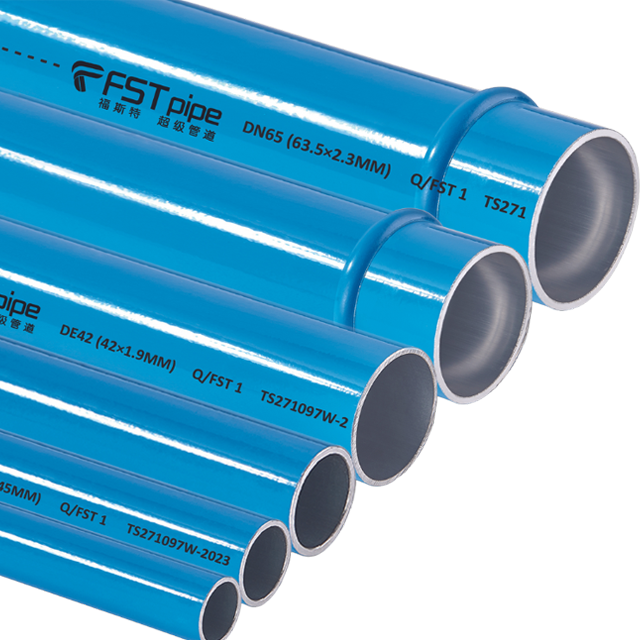
For those interested in exploring more about industrial applications, the Aluminum Air Piping System offers insights into how these systems integrate with butterfly valves.
Butterfly valves offer several advantages, including quick operation, compact size, and cost-effectiveness. Their design allows for rapid opening and closing, which is beneficial in applications requiring frequent operation. The compact size makes them suitable for installations with limited space, and their relatively low cost makes them an economical choice for many industries.
However, butterfly valves also have limitations. They may not provide a perfect seal in high-pressure applications, and the disc can obstruct flow when the valve is partially open, potentially causing pressure drops. Despite these limitations, their benefits often outweigh the drawbacks, particularly in applications where perfect sealing is not critical.
In conclusion, butterfly valves are indispensable in various industrial applications due to their simplicity, efficiency, and versatility. Their design and operational principles make them suitable for a wide range of uses, from automotive to aerospace industries. While they have some limitations, their advantages often make them the preferred choice for many applications.
1. What are the main components of a butterfly valve?
The main components include the body, disc, stem, and seat, each playing a crucial role in the valve's operation.
2. How does a butterfly valve operate?
It operates by rotating a disc within the valve body to open or close the flow of fluid, controlled manually or through automation.
3. In which industries are butterfly valves commonly used?
They are used in automotive, food processing, aerospace, pharmaceuticals, chemical processing, and water treatment industries.
4. What are the advantages of using butterfly valves?
Advantages include quick operation, compact size, and cost-effectiveness, making them suitable for various applications.
5. What are the limitations of butterfly valves?
Limitations include potential sealing issues in high-pressure applications and flow obstruction when partially open.
6. How are butterfly valves integrated into industrial systems?
They are integrated into systems like the Aluminum Air Piping System, enhancing efficiency and control.
7. Why are butterfly valves preferred in aerospace applications?
Their lightweight design and efficient operation make them ideal for managing air and fuel flow in aircraft systems.